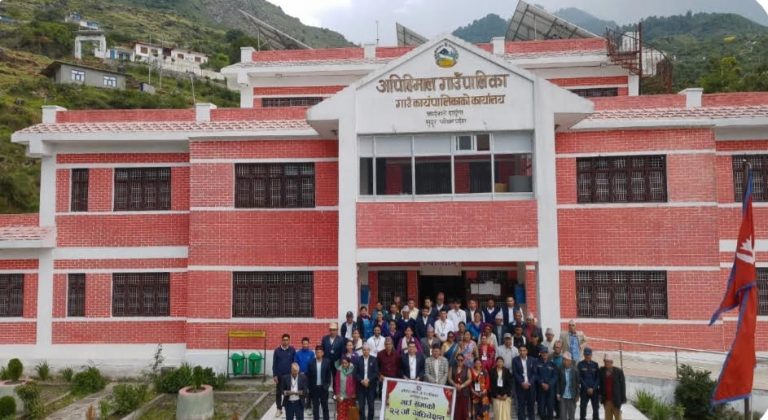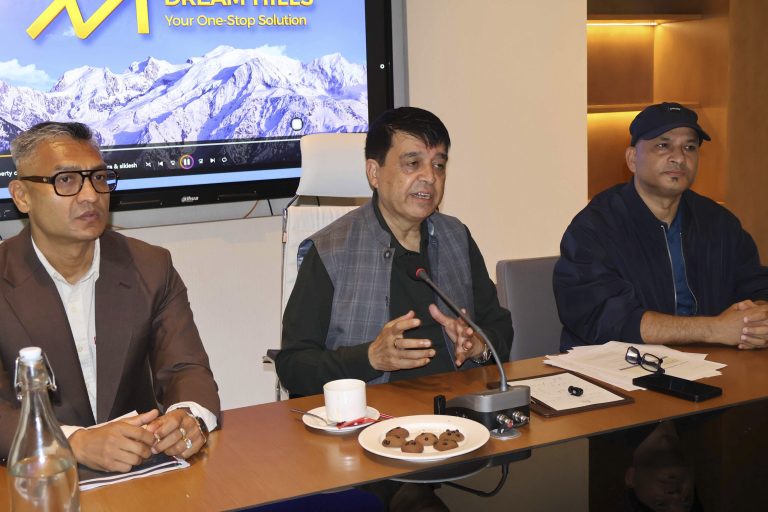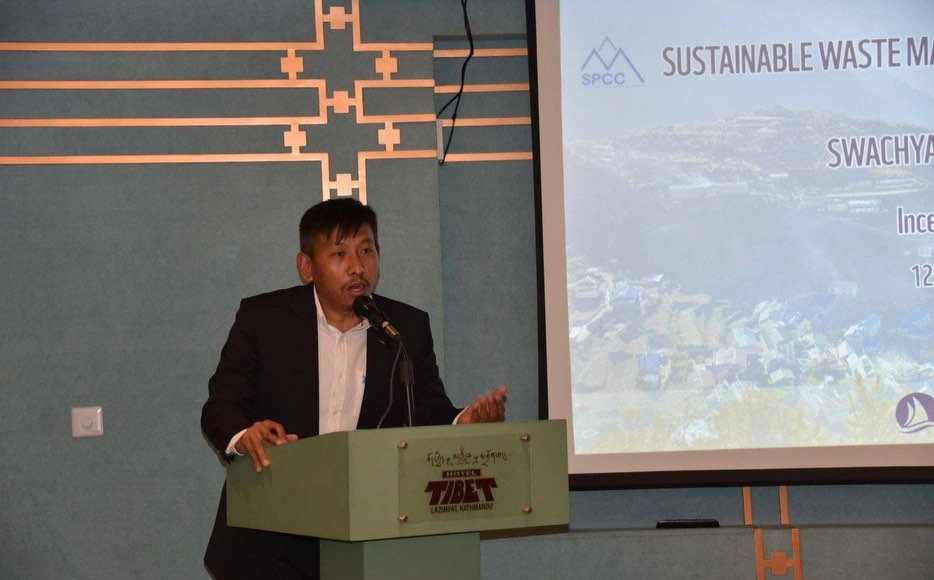
The Sagarmatha Pollution Control Committee (SPCC), in collaboration with WWF Nepal, has launched the Swachya Sagarmatha: Sustainable Waste Management for Clean Himalaya project, a three-year initiative designed to strengthen waste and electronic waste management systems across the Everest region. The project was formally initiated through a multi-stakeholder inception workshop held in Kathmandu, bringing together representatives from government agencies, local authorities, conservation partners, community organizations, and the media.
A Collaborative Initiative for a Fragile Landscape
The Swachya Sagarmatha project reflects a strong partnership-based approach to addressing one of the most pressing environmental challenges facing Nepal’s high mountain regions. With a total budget of Rs 80 million, the initiative is supported by funding from the Thomas L. Kempner, Jr. Foundation and is being implemented by WWF Nepal in close coordination with SPCC. Key partners include Khumbu Pasang Lhamu Rural Municipality, the Sagarmatha National Park Office, the Buffer Zone Management Committee, and community-based waste management groups, ensuring both institutional support and local ownership.
Rising Tourism and Growing Waste Challenges
Sagarmatha National Park and its buffer zone, globally renowned as the gateway to Mount Everest, have witnessed a steady and significant increase in tourist arrivals since the first ascent of Everest in 1953. Visitor numbers have risen from around 20,000 in 1998 to more than 55,000 in 2024. While tourism has become the backbone of the local economy, it has also placed mounting pressure on the region’s fragile ecosystem, particularly in terms of waste generation and management.

Impact of Tourism on Local Communities
With tourism now the primary source of livelihood in the Khumbu region, the rapid growth of lodges, restaurants, tea shops, and other tourism-related enterprises has resulted in increasing volumes of waste. This includes glass bottles, metal cans, paper products, PET bottles, and organic waste, along with a growing stream of electronic waste from batteries, solar equipment, and communication devices. Managing these waste streams in a remote, high-altitude environment remains a complex and costly challenge.
Strengthening Community-Led Waste Management
“For over three decades, SPCC has been at the forefront of waste management in the Everest region. But the scale and complexity of waste is growing rapidly,” said Tshering Sherpa, Chief Executive Officer of SPCC. He emphasized that the new project builds on SPCC’s community-led model by upgrading infrastructure, improving recycling systems, and equipping local people with the skills and knowledge needed to safeguard the mountains for future generations.
Addressing the program, Chairperson of the Federalism Enablement and National Concerns Committee, Sonam Geljen Sherpa, highlighted Sagarmatha as a symbol of Nepal’s national pride and a shared responsibility. He stressed that long-term conservation of the region is only possible through coordinated efforts among local communities, government bodies, and development partners working toward a common goal.
WWF Nepal’s Commitment to Sustainable Tourism
WWF Nepal Country Representative Dr Ghanashyam Gurung noted that the Everest region represents both Nepal’s natural heritage and a globally significant landscape. As tourism continues to grow, he said, so does the responsibility to protect the fragile Himalayan ecosystem. He underscored the importance of practical, locally owned waste management solutions that balance environmental protection with sustainable tourism development.
The project covers Sagarmatha National Park, spanning 1,148 square kilometres, and its 275-square-kilometre buffer zone in Solukhumbu district of Koshi Province. It focuses on Wards 2, 3, 4, and 5 of Khumbu Pasang Lhamu Rural Municipality, including key settlements along the Everest Base Camp trekking corridor from Lukla to Gorakshep. The project area encompasses around 2,000 households located at elevations ranging from 2,800 to 5,000 metres above sea level.

Key Interventions for Cleaner Mountains
Aligned with the rural municipality’s Environmental Pollution Control and Sustainable Waste Management Plan 2023, the Swachya Sagarmatha project prioritizes waste segregation at source, upgrading material recovery facilities, promoting recycling, and establishing a structured system for the collection, packaging, and safe transportation of electronic waste. The initiative focuses on four core areas: infrastructure support, capacity building, awareness raising, and research.
Participants at the inception workshop committed to strengthening coordination and collaboration to ensure the project remains inclusive, effective, and grounded in local realities. Through collective action, the Swachya Sagarmatha project aims to contribute to cleaner mountains, resilient communitie,s and sustainable tourism, reinforcing the Everest region’s legacy as a global icon of natural beauty and environmental stewardship.