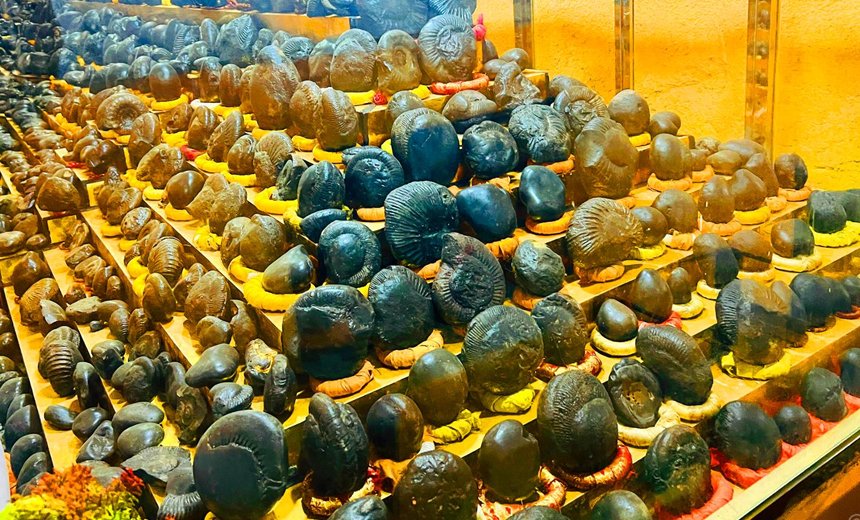
The Shalgram Museum located in Kundule, Baglung Municipality-4, is witnessing a remarkable rise in both domestic and international tourist visits. The museum, which houses over 125,000 Shalgram stones inside a man-made tunnel, has become a unique point of interest for travelers due to the rare opportunity to view such a large collection of sacred stones in one place.
Rising Visitor Numbers and Popularity
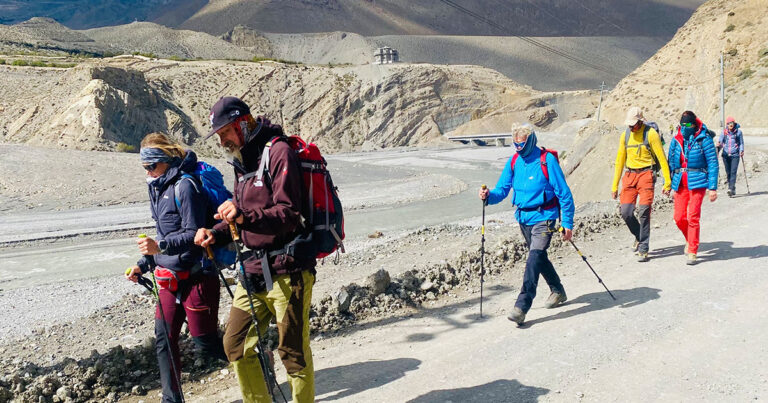
The museum has particularly attracted tourists en route to Mustang, contributing to its growing popularity. On average, about 300 visitors per day now explore the museum, according to Rishi Swami Prapannacharya, the museum’s caretaker. During public holidays, visitor numbers often exceed 1,000, reflecting the museum’s increasing appeal among travelers.

In just the last four months, more than 25,000 tourists have visited the museum, while last year, approximately 200,000 tourists explored the site. Opened to the public five years ago, the museum has steadily become a key destination for those interested in religious and cultural heritage.
Unique Features of the Museum
The Shalgram stones are preserved inside a 100-meter-long tunnel, providing a controlled environment for conservation. The museum also features a Trishul-shaped layout, along with a detailed map and scale model extending from Trivenidham to Damodarkund, highlighting the religious and geographical significance of the region. The collection includes Shalgram stones weighing up to 300 kilograms, making it a remarkable display for enthusiasts and devotees alike.
Rishi Swami Prapannacharya noted that both Nepali and Indian tourists are increasingly visiting the museum. “Initially, visitor numbers were modest, but now during public holidays, more than 1,000 tourists arrive, and on regular days, 200–300 people visit,” he said, emphasizing the museum’s growing reputation as a spiritual and cultural destination.
Tourist Experiences and Impressions
Tourists visiting the museum have praised its religious and cultural significance. Elina Khanal, who traveled from West Nawalparasi, described the museum as an important spiritual site. “I had no idea about such a large Shalgram collection. Seeing so many preserved here made me very happy. The stones are now scarce in the Kaligandaki, so protecting them here is very important,” she remarked.
Similarly, Tikaram Pathak from Chitwan visited with his family and appreciated the museum’s unique features, including the map and models depicting the origin of the Kaligandaki River from Damodarkund to Trivenidham. “The display provides a clear understanding of the river’s religious significance, and the associated Shalgram stones add immense cultural value,” he said.

Cultural and Religious Significance
The Shalgram Museum is not only a repository of sacred stones but also a hub for religious structures, including the Shrirang Venkatesh Muktinaryan Temple and several other spiritual monuments in the surrounding area. These features enhance the cultural richness of the site and offer visitors a holistic experience of Baglung’s religious heritage.
Situated amidst scenic landscapes, the museum provides an opportunity for tourists to combine cultural exploration with spiritual experiences, making it a sought-after destination for pilgrims, researchers, and casual travelers alike. With its growing popularity, the Shalgram Museum in Kundule is establishing itself as a must-visit attraction in Baglung, contributing to both local tourism development and the preservation of Nepal’s sacred cultural heritage.