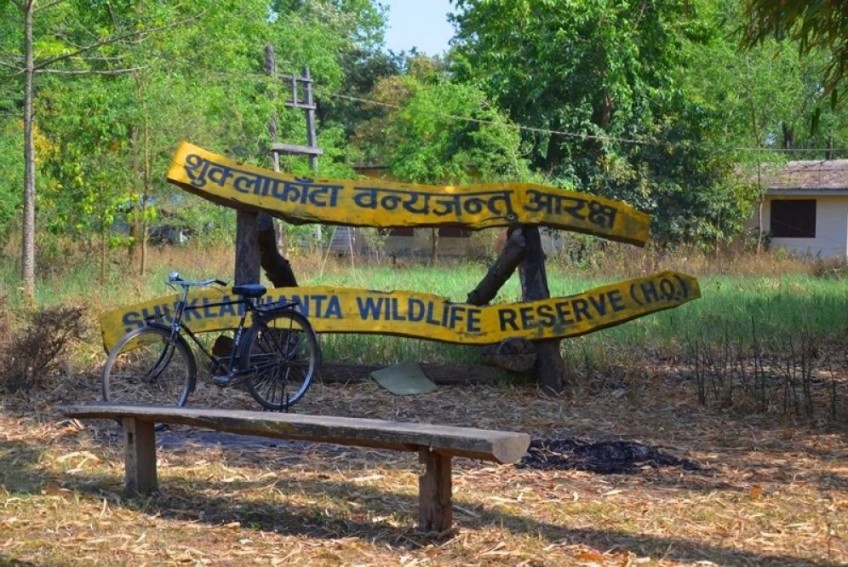
A total of 2,634 tourists visited the Shuklaphanta National Park during the first six months of the current fiscal year, according to the park office. Among the total visitors, 1,629 were men and 1,005 were women, reflecting a balanced gender participation in nature-based tourism activities at the protected area.
Domestic Visitors Dominate Tourist Flow
According to Information Officer Purushottam Wagle, the majority of visitors were domestic tourists, totaling 2,278 individuals. In addition, 244 tourists arrived from SAARC countries, including 195 men and 49 women, while 112 tourists came from other international destinations, comprising 63 men and 49 women. Officials of Shuklaphanta National Park noted that the steady inflow of both domestic and international visitors highlights the growing popularity of the park as a nature and wildlife tourism destination.

Seasonal Trend in Visitor Numbers
Tourist arrivals varied across different months, with the highest number recorded in Chaitra (March 15–April 13), when 621 visitors entered the park. Other monthly figures include 580 visitors in Kartik (October 17–November 15), 293 in Mangsir (November 16–December 15), 376 in Poush (December 16–January 14), 369 in Magh, and 386 in Falgun (February 13–March 14). Officials observed that visitation trends generally peak during the dry season, when wildlife viewing conditions are most favorable.
Revenue Generation from Tourism Activities
During the reporting period, the park collected Rs 1,467,486 in entry fees from visitors. Authorities stated that this revenue plays a vital role in supporting conservation activities, park management, and community development programs in surrounding areas.
Rich Biodiversity Driving Tourism Growth
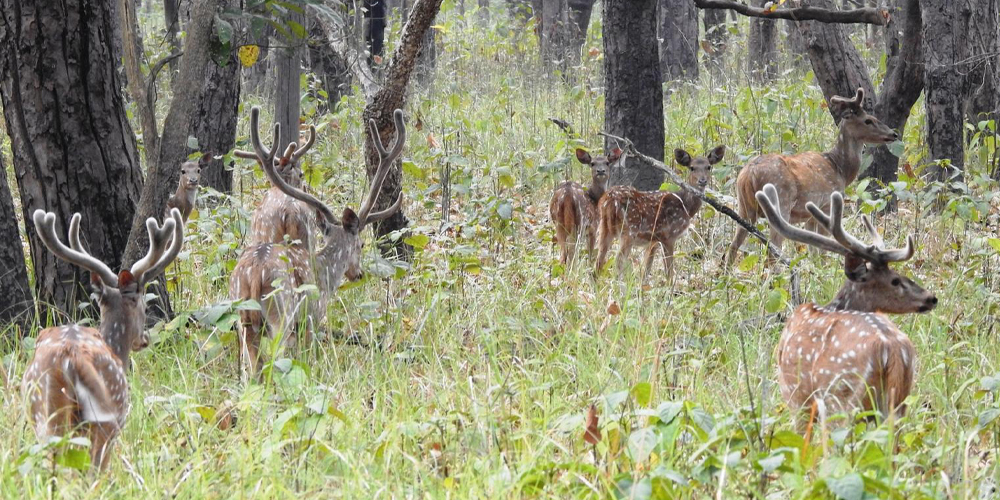
The Shuklaphanta National Park is widely recognized for its rich biodiversity, open grasslands, and rare wildlife species, making it one of Nepal’s most important conservation areas. Information Officer Wagle said that the park’s unique ecosystem, which includes Nepal’s largest grassland area, is home to a variety of wildlife including leopards, deer, and numerous plant species. He added that both domestic and international tourists visit the park for wildlife observation, research, and to experience its natural beauty and ecological diversity.
Gradual Recovery in Foreign Tourist Arrivals
Shuklaphanta National Park officials noted that while there was a slight decline in foreign tourist arrivals following the COVID-19 pandemic, numbers have been gradually increasing in recent years, indicating a steady recovery in nature-based tourism.

According to park data, 3,762 visitors were recorded in fiscal year 2080/81, including 132 foreign tourists and 112 from SAARC countries. In fiscal year 2081/82, the number stood at 3,322 visitors, including 152 foreign tourists and 199 visitors from SAARC nations.
Conservation and Wildlife Significance
Spanning an area of 305 square kilometres, Shuklaphanta National Park is particularly known for its population of swamp deer, with more than 2,323 individuals recorded within the park. The park is also recognized for its efforts in rhinoceros conservation and its role in preserving lowland Terai ecosystems. Officials believe that continued promotion of eco-tourism, combined with strong conservation measures, will further enhance the park’s appeal as a leading wildlife destination in Nepal.