
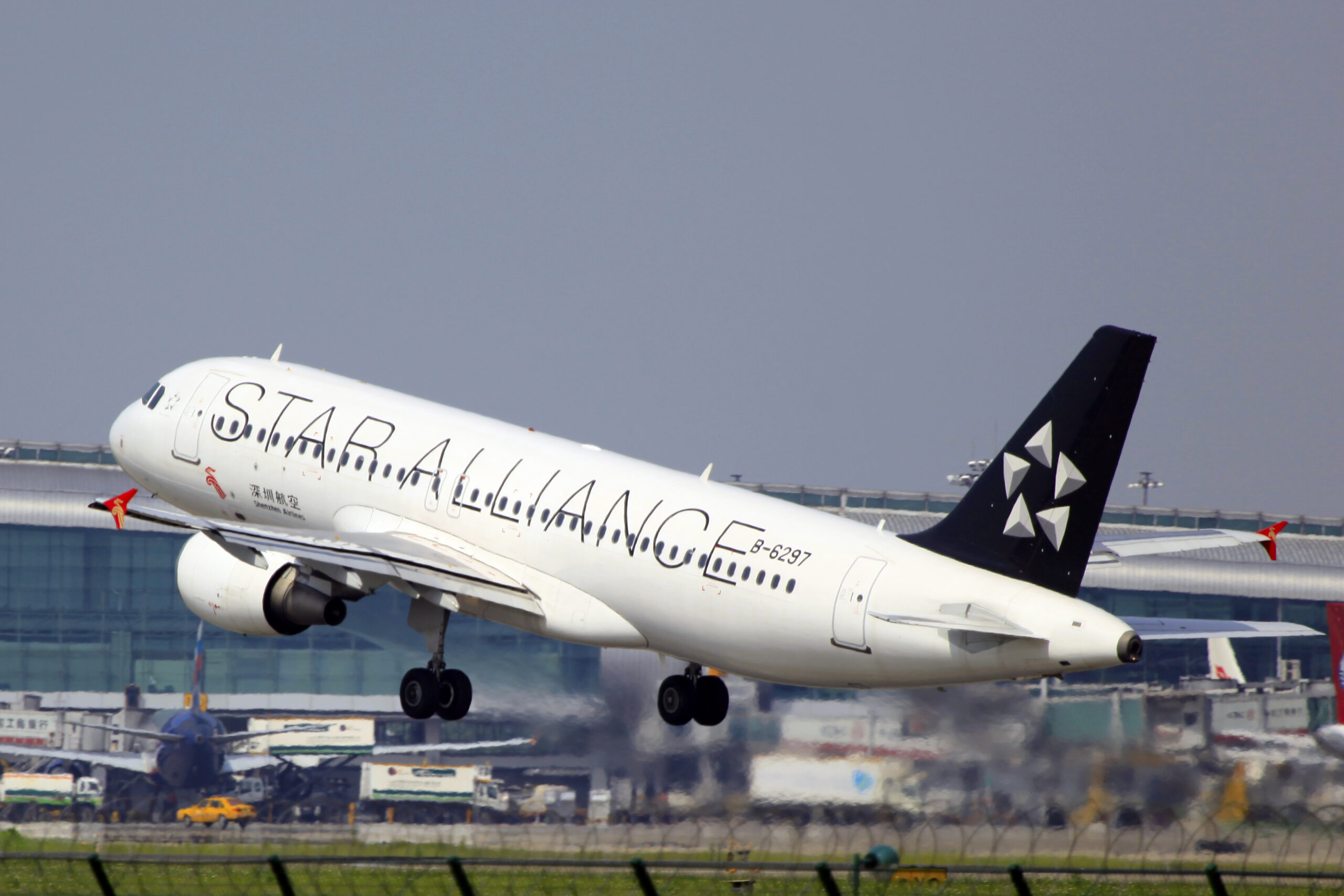
Star Alliance has been recognized as the Best Airline Alliance in the Asia-Pacific region, highlighting its role in improving international air connectivity and enhancing the travel experience for passengers across one of the world’s most dynamic aviation markets. The recognition reflects the Star Alliance’s focus on coordinated airline services, convenient flight connections, customer loyalty programmed, and a broad international route network.
The award comes as air travel continues to play a major role in connecting destinations, supporting international business, and facilitating leisure tourism across the Asia-Pacific region. Through cooperation among its member airlines, Star Alliance aims to make journeys involving multiple carriers more convenient for passengers travelling between countries and continents.
Extensive Airline Network Strengthens International Connectivity
Star Alliance brings together more than two dozen member airlines operating across a wide range of international destinations. Its network includes prominent carriers such as Singapore Airlines, All Nippon Airways (ANA), Air China, Air India, and EVA Air, connecting passengers to destinations throughout Asia-Pacific and other parts of the world. Cooperation among member airlines allows travelers to access a wider range of routes and connecting flights through a coordinated network.
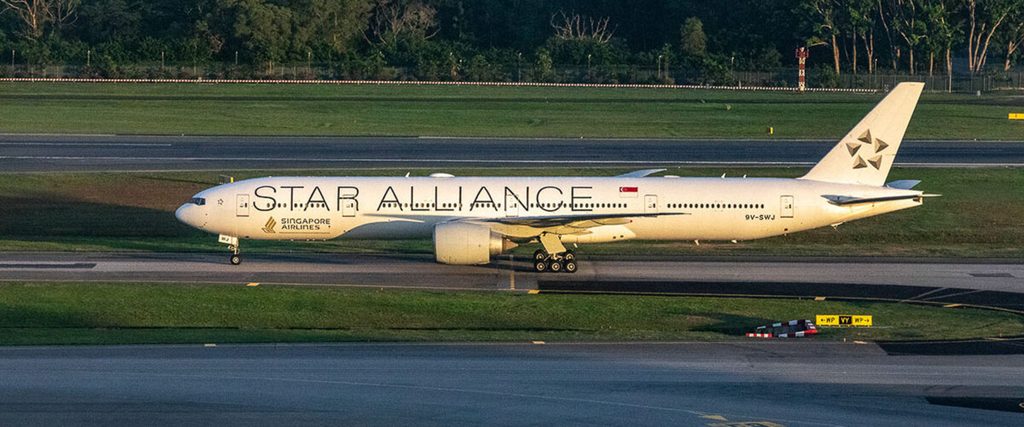
This is particularly useful for passengers whose journeys require transfers between airlines to reach destinations not served by a single direct flight. For international travelers, effective connections can help simplify complex itineraries, improve access to different destinations, and provide greater flexibility when planning business trips or holidays. A well-connected airline network is also important for tourism destinations that depend on international air access to attract visitors.
Focus on Seamless Transfers and Passenger Experience
One of the key priorities of Star Alliance highlighted by the recognition is the effort to improve the passenger experience across different stages of a journey. Travelers using multiple member airlines may benefit from coordinated services designed to make flight transfers and airport connections more straightforward. Airport facilities, including participating airline lounges, also form part of the broader travel experience.
Eligible passengers of Star Alliance can access lounge services according to the applicable airline, ticket, and membership conditions, while frequent-flyer arrangements provide additional benefits to qualifying travelers. Such services are particularly valuable to passengers undertaking long-haul journeys or connecting between regional and international flights. By improving coordination between airlines and associated passenger services, the alliance seeks to reduce the inconvenience often associated with multi-flight travel.
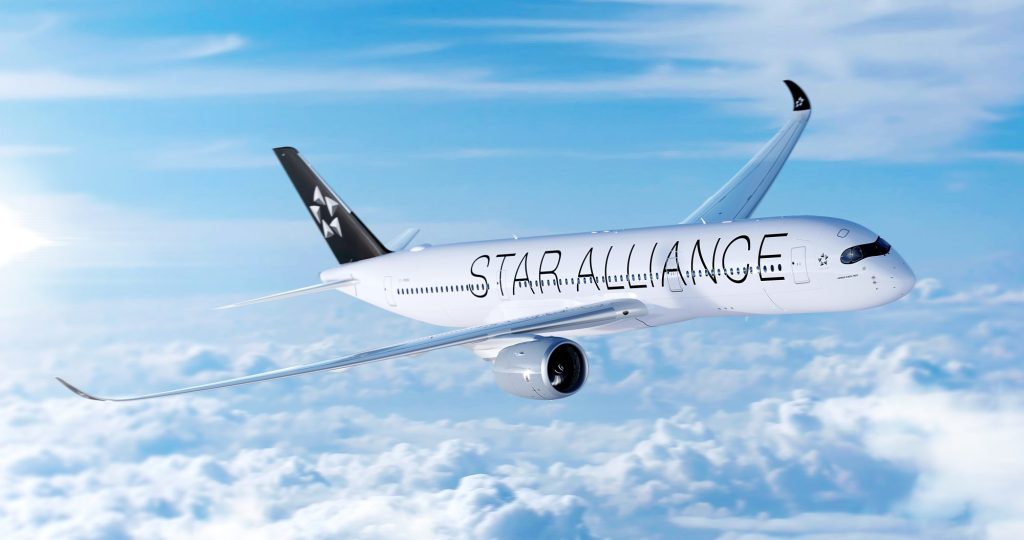
Digital Innovation and Loyalty Benefits Remain Priorities
The alliance and its member carriers continue to emphasize digital services and customer-focused initiatives as part of their efforts to improve air travel. Online booking tools, digital travel information, and coordinated passenger services can help travelers manage their journeys more efficiently. Frequent-flyer benefits are another important element of the alliance’s offering.
Depending on the airline programmed and applicable conditions, eligible passengers may be able to earn or redeem rewards across participating carriers and access selected travel privileges. These arrangements can be especially beneficial for frequent international travelers who regularly fly with different airlines within the network. Greater coordination of passenger services and loyalty benefits can help create a more consistent experience across connecting journeys.
Airline Cooperation Supports Business and Leisure Travel
The Asia-Pacific region is an important Centre for international tourism, trade, and business travel. Strong air connectivity helps link major commercial centers with holiday destinations, cultural attractions, and emerging tourism markets. For leisure travelers, access to connecting flights can make it easier to plan trips involving multiple cities or countries.
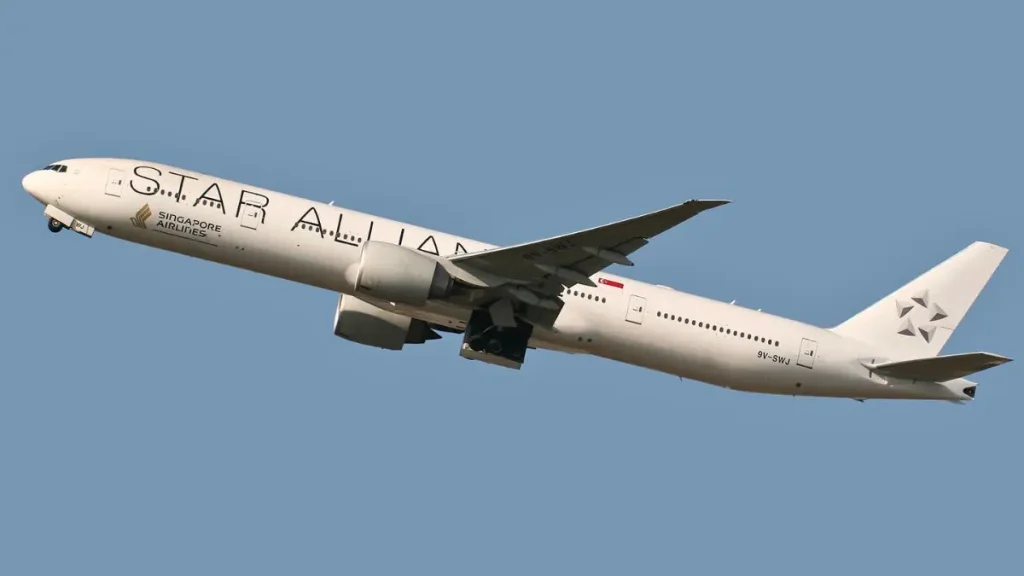
Business travelers, meanwhile, rely on dependable connections to attend meetings, participate in international events, and maintain commercial relationships across borders. Airline alliances also provide a framework for cooperation between carriers, allowing them to offer broader travel options than an individual airline might provide independently. This network-based approach can be particularly significant in a region where travelers frequently cross-national borders and connect through major aviation hubs.
Recognition Highlights the Importance of Regional Aviation
Being named the leading airline alliance in the Asia-Pacific region represents an important industry recognition for Star Alliance. The distinction highlights the growing importance of coordinated airline networks, passenger-focused services, and international connectivity in a competitive aviation market. However, the benefits available to individual travelers depend on factors such as airline participation, route availability, ticket conditions, frequent-flyer status, and airport facilities.
Passengers should therefore check the specific services offered for their itinerary before travelling. As international travel continues to connect people, businesses, and tourism destinations, airline alliances remain an important part of the global aviation system. Star Alliance’s recognition underscores the value of cooperation among airlines in expanding travel options and working towards a smoother experience for passengers across the Asia-Pacific region and beyond.