Nepal’s helicopter industry has welcomed a new operator as Sagarmatha Helicopter Company begins commercial flights following the issuance of an Air Operator Certificate (AOC) by the Civil Aviation Authority of Nepal (CAAN). The company commenced commercial operations on October 19, 2026, marking a new development in the country’s aviation and tourism sectors.
The company had been preparing to launch services since early 2026 after receiving a No Objection Certificate (NOC) in February. It subsequently acquired a helicopter from Mountain Helicopters and completed the necessary preparations, including staffing, office arrangements and regulatory inspections, before receiving approval to begin commercial operations.

AOC Completes the Commercial Flight Approval Process
An Air Operator Certificate is a key regulatory requirement for companies seeking to operate commercial flights. Before issuing the certificate, CAAN evaluates an operator’s organizational structure, business plans, financial capacity, technical documentation, safety procedures, aircraft condition and the qualifications of its operational personnel.
The certification process also includes inspections of facilities and equipment and assessments of pilots and technical staff. Once the required standards have been met, the authority issues the AOC, permitting the company to conduct commercial flights within the approved scope and conditions. This process helps ensure that operators meet the necessary aviation safety and operational requirements.

Nepal’s Helicopter Industry Reaches 13 Operators
With Sagarmatha Helicopter entering commercial service, the number of helicopter operators in Nepal has reportedly reached 13. The industry includes Air Dynasty, Altitude Air, Annapurna Helicopter, Fishtail Air, Heli Everest, Kailash Helicopter Services, Base Camp Helicopters, Mountain Helicopters, Mustang Helicopters, Prabhu Helicopters, Simrik Air and Shree Airlines, alongside the new operator.
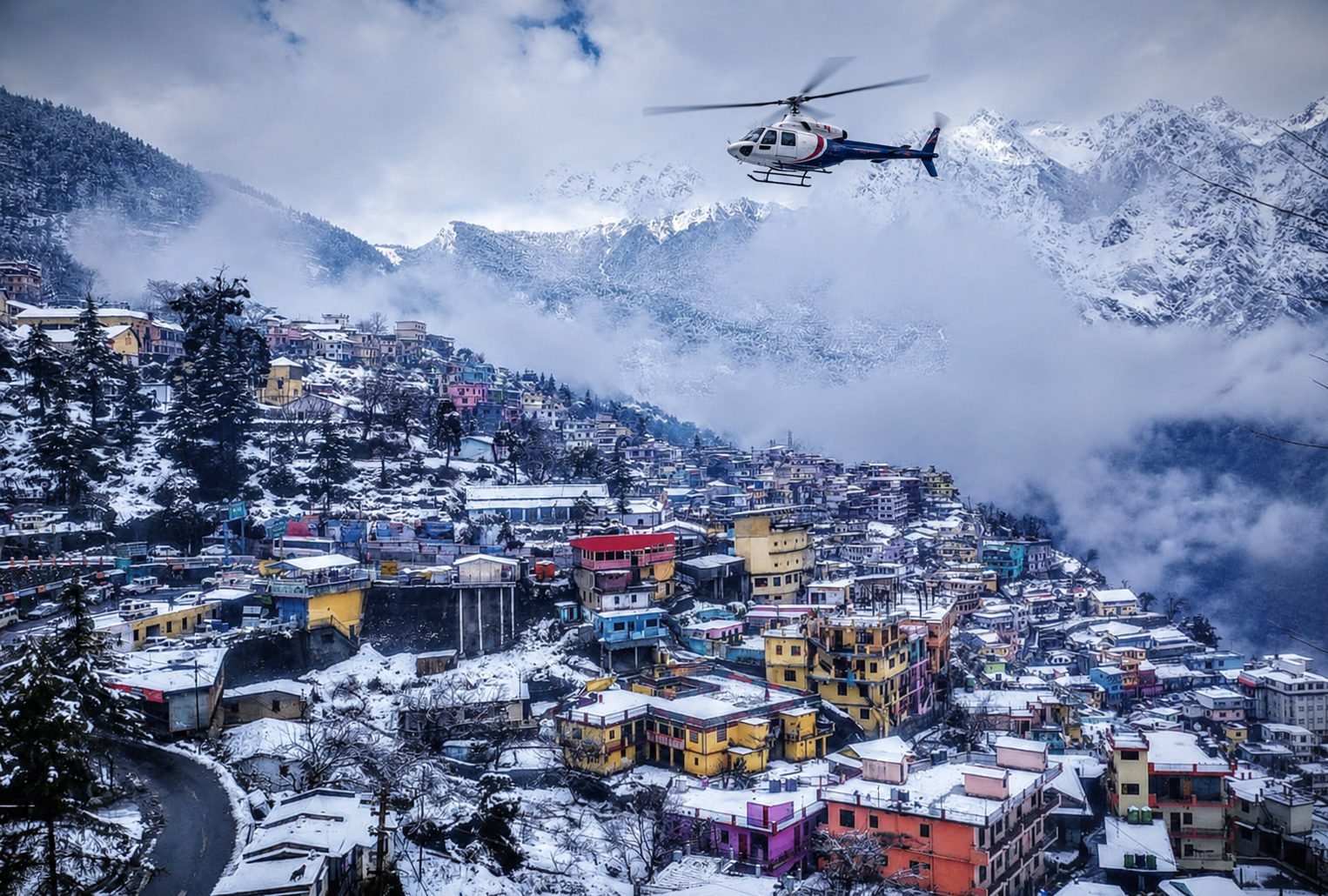
Helicopter services play an important role in Nepal’s tourism industry, supporting mountain sightseeing, access to remote destinations, trekking logistics and emergency evacuations. The entry of another operator could expand service options for travelers and tourism businesses, although actual availability depends on operational approvals, aircraft capacity, weather conditions and safety requirements.

Fleet Expansion and Future Growth Prospects
Sagarmatha Helicopter currently has one helicopter, and its operating approval reportedly includes conditions for adding another aircraft within three months and expanding its fleet to five helicopters within five years. Meeting these requirements will be important for the company as it develops its operations and seeks to increase its capacity.
Meanwhile, Heli Nepal has also received a No Objection Certificate, although an NOC alone does not authorize commercial flights. As Nepal’s helicopter sector continues to develop, regulatory compliance, fleet expansion and reliable service delivery will remain important factors in supporting tourism connectivity and transportation to remote areas. Continued attention to safety standards will be essential as the industry grows.