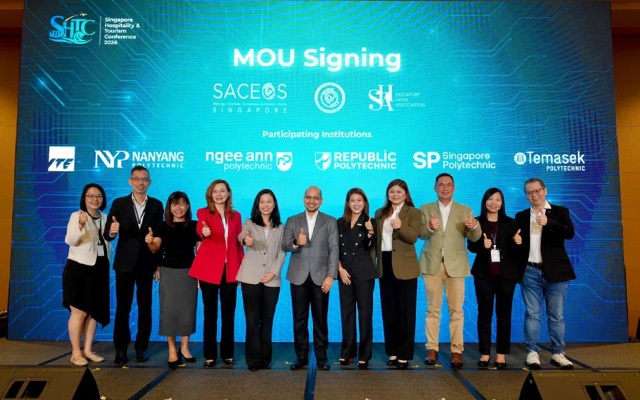
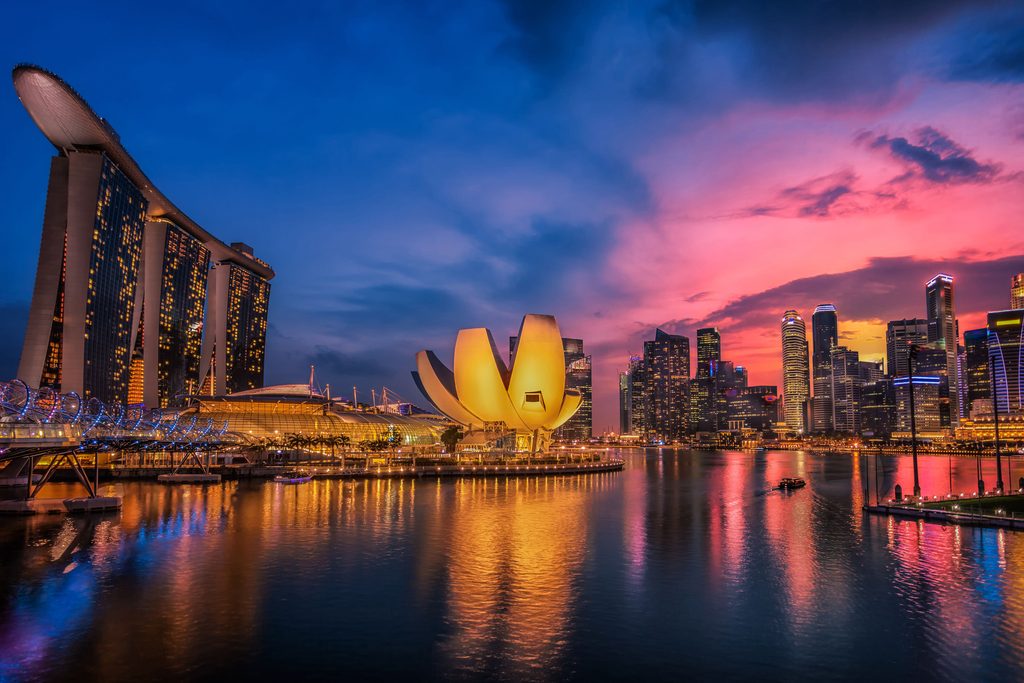
Singapore’s hospitality and tourism industry has introduced a joint student chapter bringing together technical education institutions, polytechnics and industry associations to better prepare students for careers in the sector. The initiative was officially launched on October 23 at Marina Bay Sands during the second Singapore Hospitality and Tourism Conference (SHTC) 2026.
The conference attracted around 480 students, educators and industry representatives to discuss workforce development and strengthen cooperation between educational institutions and tourism businesses. The new chapter aims to create stronger connections between classroom learning and practical industry experience. Through professional networking, industry visits, mentorship and internship opportunities, students will have more opportunities to understand workplace expectations and prepare for full-time employment.
Eight Institutions and Industry Bodies Join Forces
The initiative was formalised through a memorandum of understanding signed by six educational institutions: the Institute of Technical Education (ITE), Nanyang Polytechnic, Ngee Ann Polytechnic, Republic Polytechnic, Singapore Polytechnic and Temasek Polytechnic. The Singapore Association of Convention & Exhibition Organisers & Suppliers (SACEOS) and the Singapore Hotel Association (SHA) also joined the agreement.

The student chapter operates under the Tourism, Hospitality & Operations Management Sector Coordination Team, which is jointly chaired by Temasek Polytechnic and Republic Polytechnic. The framework is designed to strengthen collaboration between educators and industry partners and ensure that students develop skills relevant to the changing needs of tourism and hospitality businesses.
Ong Huey Hong, assistant chief executive of the industry development group at the Singapore Tourism Board (STB), said the initiative would help students move from education into professional careers through structured engagement with employers. She highlighted the importance of giving students opportunities to apply their knowledge in real working environments. By encouraging businesses to participate in internships, mentorship and other learning activities, the chapter is expected to help narrow the gap between academic preparation and practical workplace requirements.
Tourism Workforce and Student Interest Continue to Grow
The launch comes amid growth in Singapore’s tourism workforce and increasing interest in tourism-related education. According to figures shared by STB, the sector’s workforce expanded by approximately eight per cent, rising from 69,000 employees in 2023 to 75,000 in 2025. First-choice applications for tourism courses across Singapore’s polytechnics also increased by 20 per cent between 2022 and 2026. The figures indicate rising interest among students, while highlighting the importance of encouraging graduates to pursue long-term careers in the industry.
The student chapter is intended to help turn that interest into employment by exposing students to the range of roles available across hotels, airlines, attractions, events and other tourism-related businesses. SHTC 2026 also featured a career fair where students could meet potential employers and learn about available positions. More than 20 employers participated, offering approximately 1,400 job and internship opportunities. Participating organisations included Singapore Airlines, Capella Hotel Group, Banyan Tree, Museum of Ice Cream Singapore and The Lo & Behold Group.
Event and tourism businesses such as Woopa Group, UPGroup Asia and The MasterPlan also took part. Banyan Tree, Museum of Ice Cream Singapore and The Lo & Behold Group were among the first-time exhibitors. Jasmine Ho, founder and managing partner of event agency The MasterPlan, said the conference gave students a broader understanding of the industry, particularly the opportunities available beyond major hotels and large event organisers. She also noted that the platform helped smaller and medium-sized businesses introduce themselves to potential future employees.
AI and Human-Centred Hospitality Take Centre Stage
Technology and innovation were another focus of the conference. Marina Bay Sands sponsored a student hackathon involving 40 participants, who were challenged to explore ways artificial intelligence could be integrated into hospitality while keeping the needs and experiences of people at the centre. The activity reflected a growing industry discussion about how digital tools can improve efficiency without weakening the personal service that defines hospitality. AI may help automate routine tasks and streamline operations, but interpersonal communication, empathy and the ability to respond to guests’ needs remain essential skills.
Ong emphasised that hospitality continues to depend on human interaction, even as businesses adopt new technologies. The challenge for future professionals will be to use digital solutions effectively while maintaining the quality of service and personal attention expected by travellers. The discussion also points to the importance of preparing students for workplaces where digital systems and human service operate together. Industry exposure and practical training could help students understand how emerging technologies are being used in everyday tourism operations.
New Grant to Support Technology Adoption
Alongside the student chapter launch, STB announced that its Age for Productivity grant is scheduled to begin on November 1, 2026. The initiative will offer pre-approved digital concierge and robotics solutions to help tourism companies adopt technology and improve productivity. The grant is expected to support businesses exploring ways to streamline operations and manage routine tasks more efficiently. Such solutions could allow employees to devote more attention to guest engagement and other activities that require human judgement and service skills.
The student chapter, career fair, hackathon and upcoming productivity grant represent different parts of Singapore’s broader effort to strengthen its tourism industry. While technology adoption is expected to change how businesses operate, developing a skilled workforce remains a key priority. By bringing educational institutions and employers closer together, Singapore aims to create clearer pathways into tourism and hospitality careers, improve students’ readiness for the workplace and ensure that the sector can respond to changing visitor expectations.