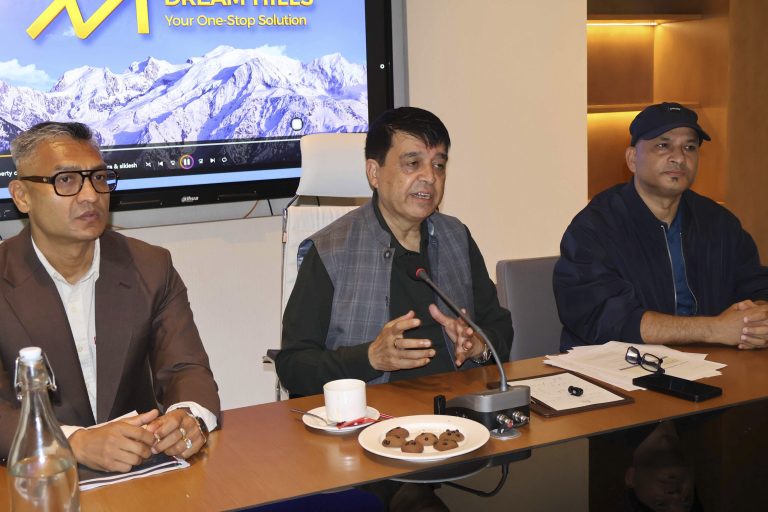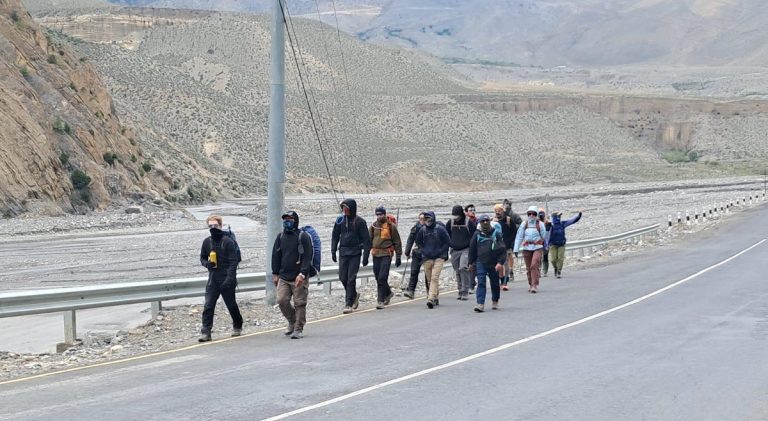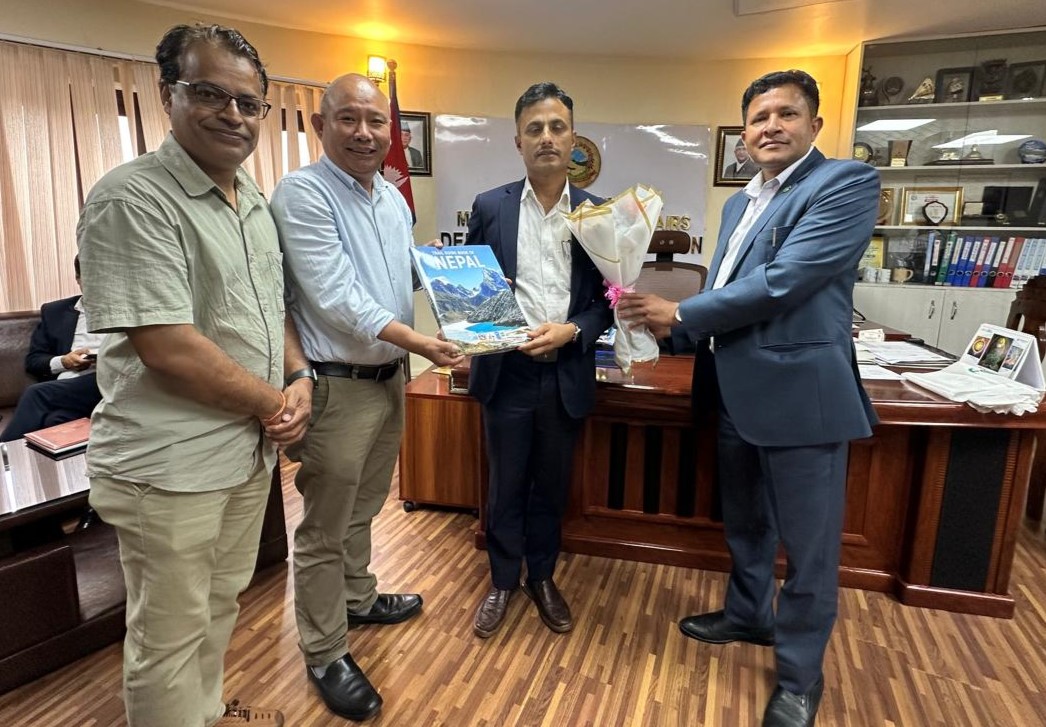
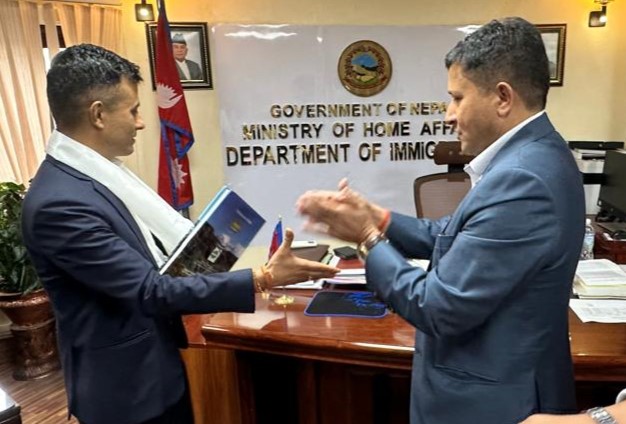
On 13th August 2025, the Trekking Agencies’ Association of Nepal (TAAN) made a significant move to address key challenges faced by trekkers and tourism operators in restricted trekking areas of Nepal. TAAN President Sagar Pandey, accompanied by General Secretary Sonam G. Sherpa, Treasurer Gautam R. Wagle, and CEO Ram Chandra Sedai, visited the Department of Immigration (DoI) to engage in detailed discussions with the newly appointed Director General, Mr. Ram Chandra Tiwari. During the meeting, TAAN officials congratulated DG Tiwari on his appointment and emphasized the importance of policy reforms to streamline trekking activities in restricted areas, which have long been a critical component of Nepal’s high-end and adventure tourism segment.
Key Issues Highlighted
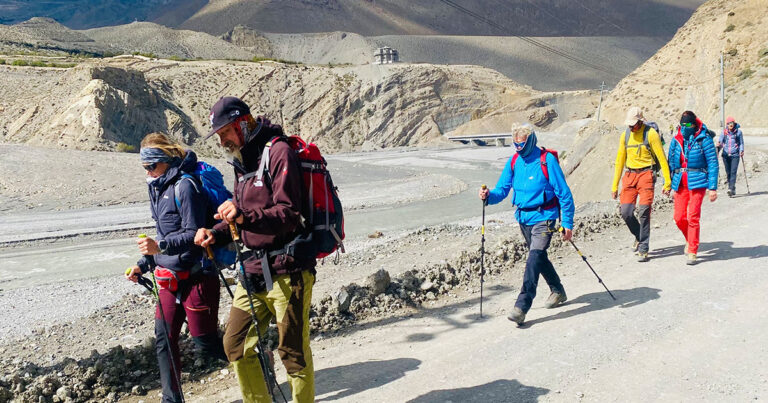
During the meeting, TAAN formally submitted a request letter outlining several pressing issues that the association believes require immediate attention. These issues are centered on enhancing convenience for trekkers, making permit processes more flexible, and supporting tourism operators in restricted regions. A primary concern raised was the provision to issue Restricted Area Trekking Permits even for a single trekker. Currently, many restricted areas, including Upper Mustang and Dolpo, require a minimum group size for permit approval, which often discourages solo travelers and small groups. TAAN argued that allowing permits for individual trekkers would not only increase visitor numbers but also promote Nepal as a more inclusive destination for international adventurers.
Another critical issue discussed was the levying of Restricted Area Trekking Permit fees in Upper Mustang based on actual days trekked or spent by visitors. At present, the fee system does not proportionately reflect the duration of stay, sometimes leading to unnecessary financial burdens on trekkers. TAAN proposed a more transparent, day-based fee structure to make trekking more affordable while maintaining revenue for local administration and conservation initiatives. Such a move, they argued, would encourage longer stays and a more sustainable flow of tourism income to the region.
Easing Heli Rescue Procedures
Safety in restricted trekking areas is another area where TAAN emphasized urgent reforms. The association highlighted the need for easing the procedure for helicopter rescue approvals in restricted areas. Given the rugged terrain, unpredictable weather, and high altitude challenges, medical and emergency evacuations often become complicated by bureaucratic hurdles. TAAN officials stressed that a streamlined heli-rescue approval system would ensure prompt responses to emergencies, save lives, and build confidence among trekkers who might otherwise be hesitant to venture into these regions.
Opening Kora-La Border for Kailash Mansarovar Tour
One of the most strategic proposals presented by TAAN was regarding international trekking routes. The association urged the Department of Immigration to consider opening the Kora-La border with China in Upper Mustang for the Kailash Mansarovar Tour. This move, according to TAAN, would significantly boost pilgrimage tourism while creating cross-border trekking opportunities, which are currently limited. Facilitating access through the Kora-La border could not only enhance Nepal’s reputation as a gateway for spiritual tourism but also strengthen trade and cultural ties with neighboring regions.
A Step Towards Sustainable and Inclusive Tourism
TAAN’s advocacy reflects a broader vision of making restricted area trekking more accessible, safe, and financially viable for visitors. By addressing these policy and procedural challenges, the association aims to balance conservation concerns with the growing demand for adventure and spiritual tourism. Officials emphasized that reforms in restricted area trekking policies would not only benefit trekkers but also empower local communities by generating sustainable tourism revenue and employment opportunities.
The TAAN delegation’s visit to the Department of Immigration marks a proactive step toward creating a more traveler-friendly environment in Nepal’s restricted trekking regions. The proposed measures, ranging from solo trekker permits and day-based fees to simplified heli-rescue approvals and expanded cross-border access, highlight the association’s commitment to promoting safe, responsible, and economically beneficial tourism. Stakeholders and tourism operators across the country are now keenly watching how the Department of Immigration responds to these proposals, which could shape the future of Nepal’s high-altitude trekking sector.