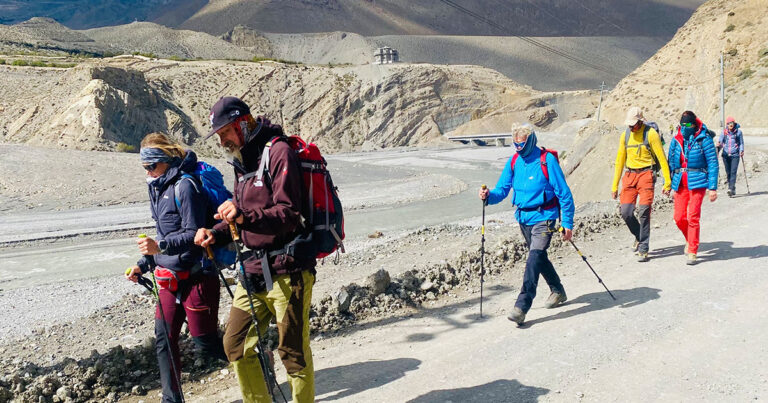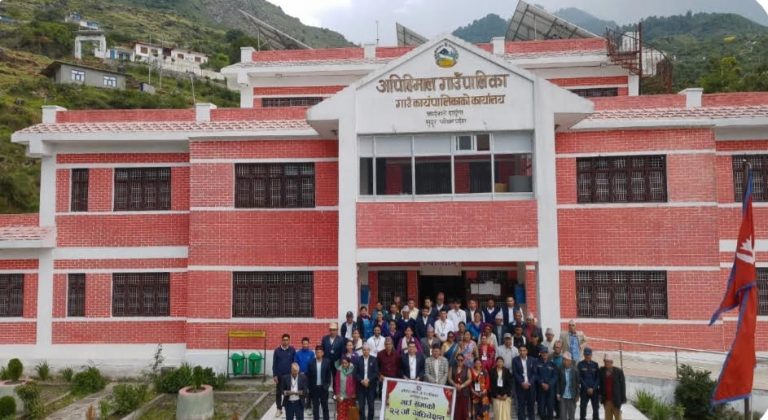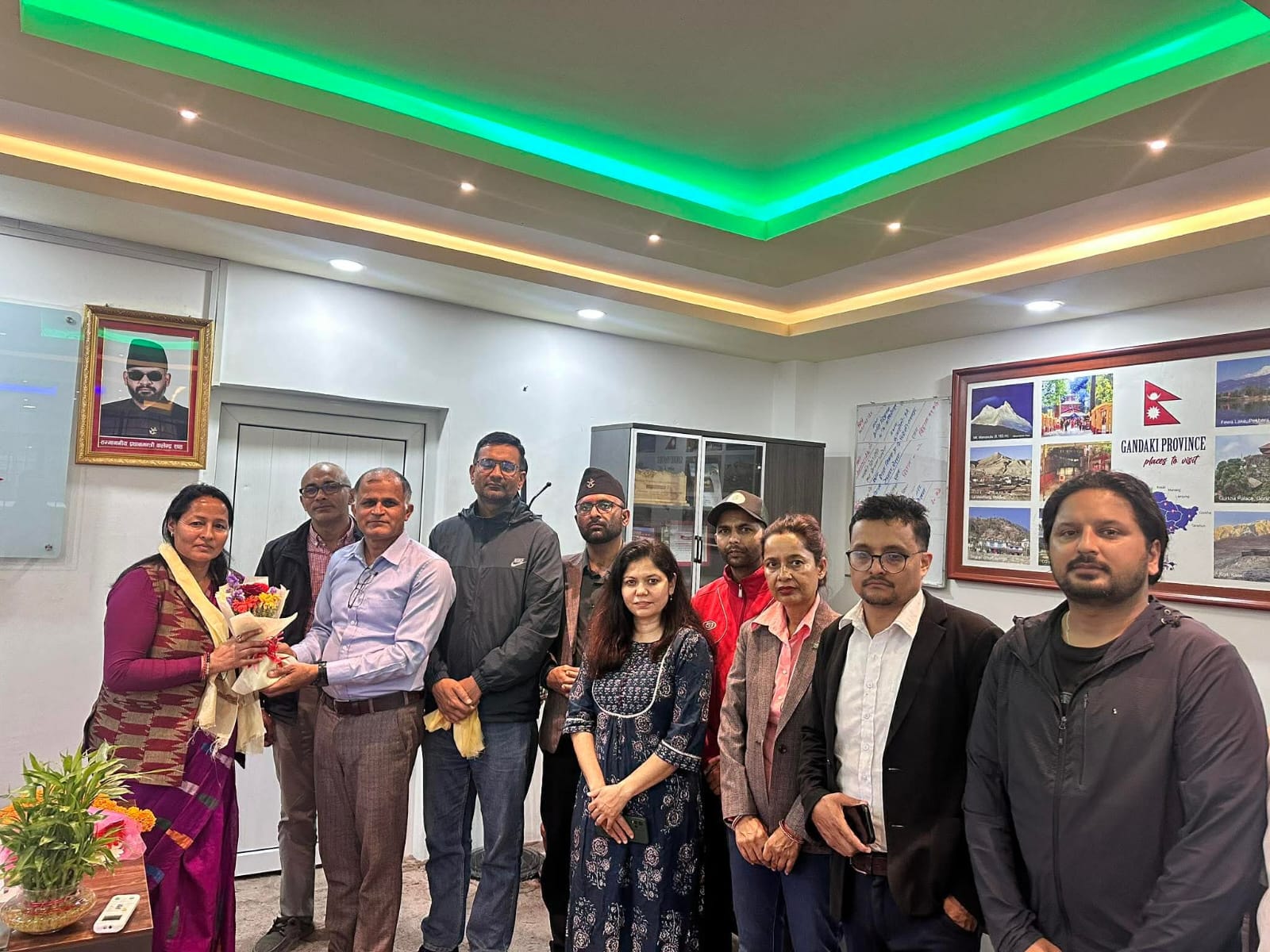
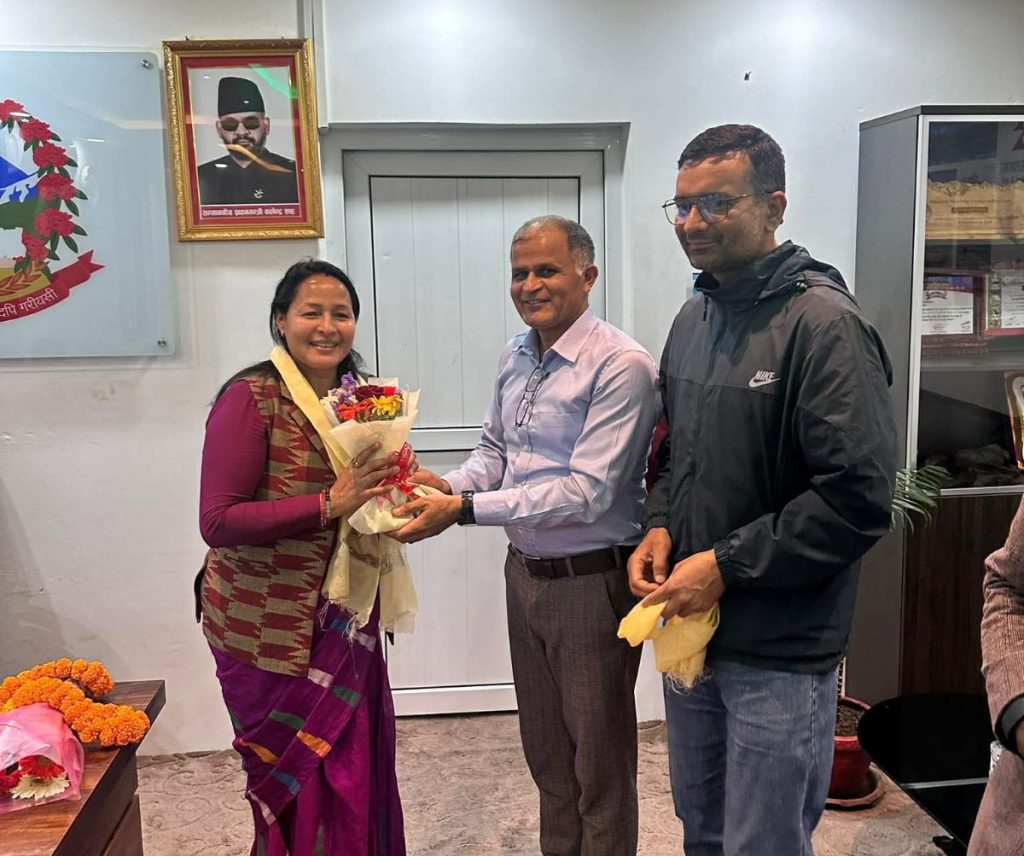
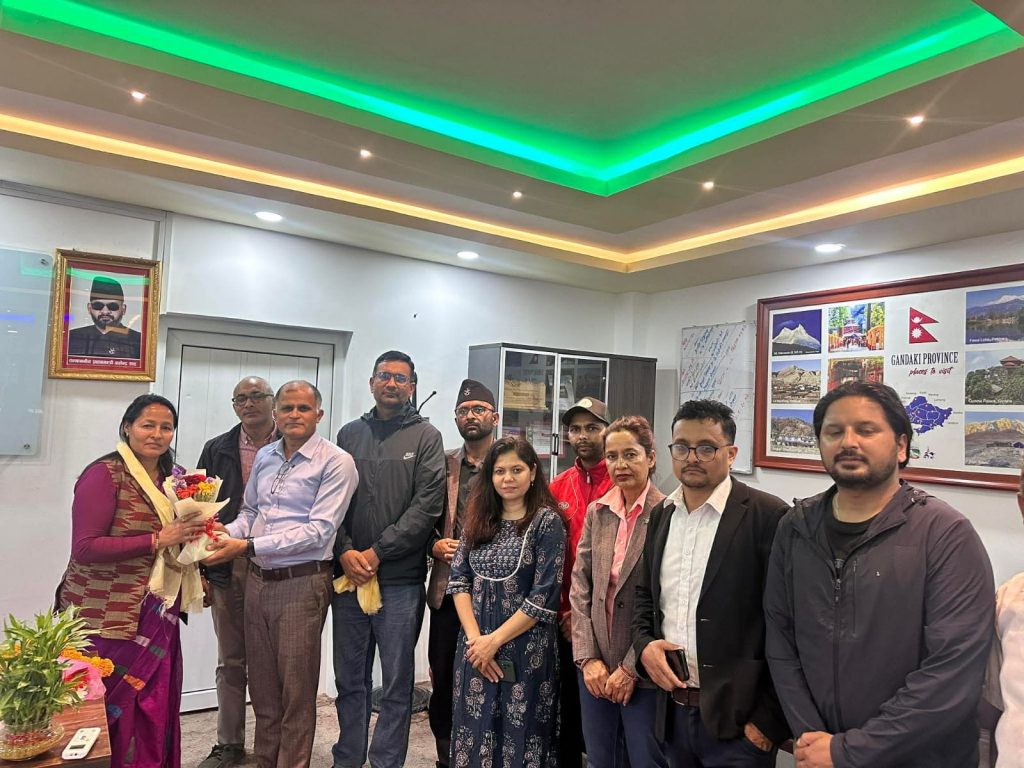
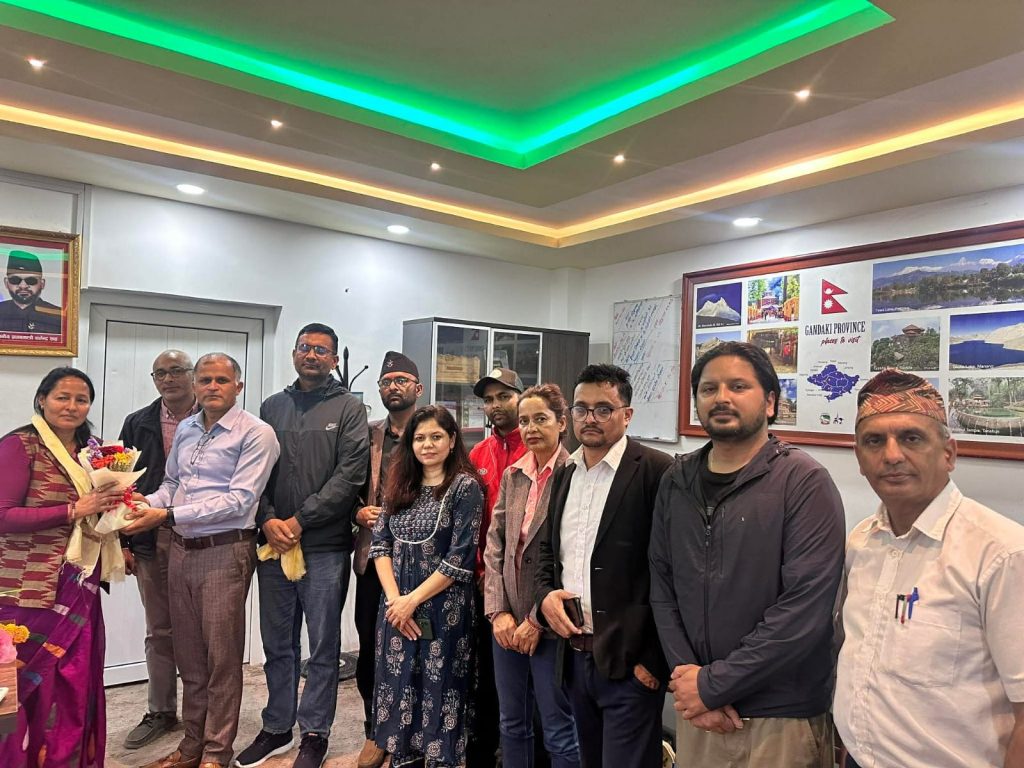
The Trekking Agencies’ Association of Nepal (TAAN) Gandaki has submitted a comprehensive memorandum to the Ministry of Industry and Tourism of Gandaki Province, calling for urgent policy reforms, administrative simplification, and stronger regulation to address mounting challenges in Nepal’s trekking tourism sector.
Addressed to Minister Yashoda Rimal, the memorandum outlines a wide range of issues, from bureaucratic hurdles and legal inconsistencies to safety concerns and infrastructure gaps, while proposing practical solutions aimed at strengthening one of Nepal’s most vital tourism industries.

Longstanding Contribution and Emerging Challenges
TAAN Gandaki, representing trekking entrepreneurs in the region, has been actively involved in promoting Nepal’s mountaineering and trekking tourism for over three decades. The association emphasized its continued commitment to safeguarding the interests of tourism entrepreneurs and ensuring safe and sustainable travel experiences.
However, it warned that the trekking sector is currently facing serious operational and structural challenges that could undermine Nepal’s reputation as a premier trekking destination if not addressed promptly.
Administrative Complexity and Need for Legal Reform
One of the primary concerns raised by TAAN Gandaki is the lack of coordination among government agencies, which has made business registration and renewal processes unnecessarily complicated. The association has called for the immediate implementation of a “One-Door System”, which would streamline administrative services and reduce bureaucratic delays in line with the principles of federal governance.
Another major issue relates to the renewal of trekking and travel agencies under the existing Tourism Act of 2062 (2005). Current provisions require agencies to maintain continuous bank guarantees. However, when agencies switch banks, technical delays often create gaps that halt the renewal process, leaving businesses in limbo.
TAAN Gandaki has urged the government to amend the legal provision to allow bank guarantees to be submitted at the federal or provincial levels, thereby preventing unnecessary disruptions. It also stressed the need to revise the broader tourism legislation to better reflect the evolving nature of tourism businesses and ensure alignment between federal and provincial policies.
Ensuring Tourist Safety and Ending Fake Rescue Practices
The memorandum highlights growing concerns over safety in trekking routes, particularly in emergency rescue operations. While Nepal’s mountainous terrain makes rescue services essential, TAAN Gandaki expressed alarm over the rise of fraudulent rescue cases, commonly known as “fake rescues.”
Such practices, often carried out for insurance claims, have tarnished Nepal’s international image. The association has demanded strict monitoring, thorough investigations, and legal action against companies and individuals involved in such activities. It also emphasized the need to strengthen emergency response systems to minimize accidents and ensure genuine rescue operations are carried out efficiently and transparently.
Weak Implementation of TIMS and Illegal Trekking Operations
TAAN Gandaki has voiced serious concern over the ineffective implementation of the Trekkers’ Information Management System (TIMS), introduced by the Government of Nepal in 2009 to ensure the safety and proper record-keeping of trekkers.
Although the system was revised and reintroduced after the COVID-19 pandemic in April 2023, it has not been fully enforced. According to the association, this has led to significant revenue losses for the government and weakened the monitoring of trekking activities.
The memorandum calls for the immediate activation of all TIMS checkpoints and strict enforcement of the system to make it mandatory for all trekkers. In addition, TAAN Gandaki has urged authorities to crack down on illegal trekking operations. It requested the government to issue directives to concerned agencies to impose strict penalties on individuals or organizations found conducting unauthorized trekking services.
Concerns Over Double-Charging and Unmanaged Checkpoints
Another issue raised is the imposition of additional entry fees by local authorities in certain trekking regions. TAAN Gandaki cited a recent decision by a rural municipality in the Manaslu Conservation Area to charge extra fees from both foreign and domestic tourists. The association warned that such practices create confusion, discourage visitors, and send negative signals to international markets. It has called for the immediate suspension of such policies and the establishment of a uniform and transparent fee structure across trekking regions.
Protecting Trails and Promoting New Destinations
TAAN Gandaki also expressed concern over the rapid expansion of road networks in trekking areas, which has led to the degradation of some of Nepal’s iconic trails. It stressed the importance of preserving traditional trekking routes while developing alternative trails to diversify tourism offerings.
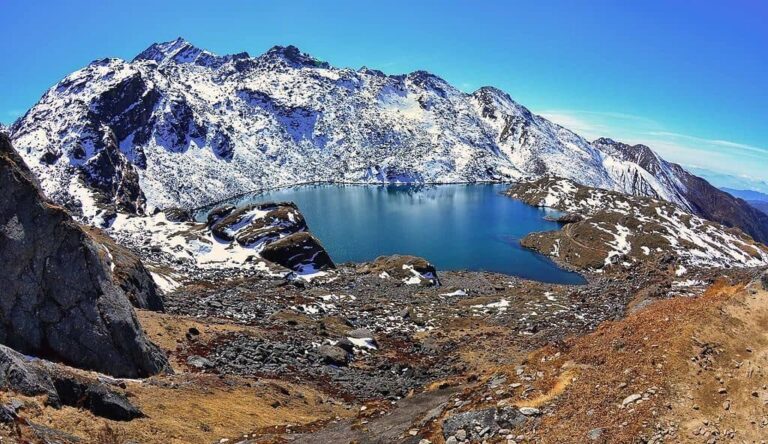
Among the proposed destinations is the Sikles–Mardi Himal trekking corridor, which would connect key places such as Sikles, Tara Hilltop, Bhujung, and Tatopani, linking them with the popular Mardi Himal route. The association has also proposed promoting the Jaljala–Hidden Lake trail as a “virgin trek,” emphasizing its untouched natural beauty due to the absence of motor roads.
Similarly, it highlighted the potential of the scenic Phewa Lake area for short hiking routes such as the “View Fewa” and “Round Fewa” trails, which could attract both domestic and international visitors seeking half-day experiences. Other areas identified for development include the culturally significant Panchase region and additional link routes connecting Pachok, Chipinde, and Korchan areas to existing trekking circuits.
Destination Conservation and Institutional Reform
In its memorandum, TAAN Gandaki has also called for the declaration of new protected trekking areas, including the Dhaulagiri region, to ensure long-term conservation and sustainable tourism development. Furthermore, the association raised concerns about the functioning of the Nepal Tourism Board. It stated that the board has deviated from its core mandate of promoting Nepal’s tourism in domestic and international markets and has instead focused on non-priority areas such as infrastructure development.
Citing increasing irregularities and inefficiencies, TAAN Gandaki has urged the government to initiate institutional reforms. It suggested organizing stakeholder consultations and, if necessary, introducing mechanisms for direct intervention to restore the board’s effectiveness. The association also floated the idea of establishing a Gandaki Province Tourism Board to better address regional tourism needs.

Call for Immediate Government Action
Concluding the memorandum, TAAN Gandaki expressed confidence that Minister Yashoda Rimal would take decisive steps to address the issues raised. It emphasized that timely reforms are crucial to positioning Nepal as a safe, managed, organized, and attractive global trekking destination.
As Nepal continues to rely heavily on tourism for economic growth, stakeholders believe that addressing these systemic challenges will not only benefit trekking entrepreneurs but also enhance the overall experience for visitors exploring the country’s world-renowned Himalayan landscapes.