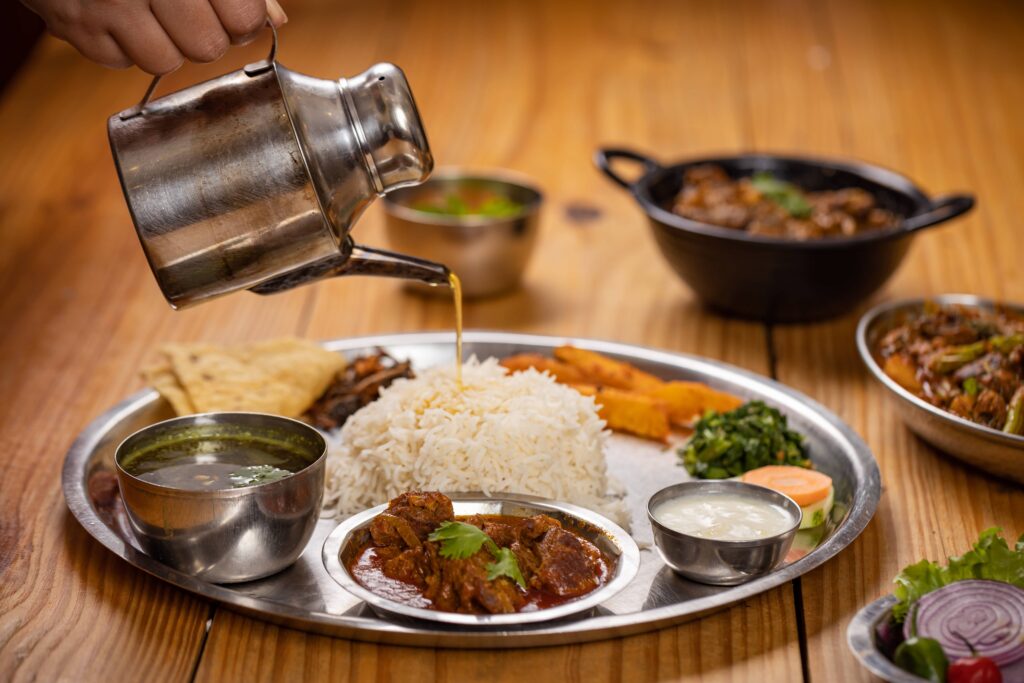
Thakali khana is one of Nepal’s most famous and respected traditional cuisines. It is known for its balanced nutrition, unique flavors, and cultural significance. Thakali khana officially originated from the Thak Khola valley in the Mustang district of Nepal. Created by the indigenous Thakali community, Thakali cuisine has evolved from simple mountain meals into one of the country’s most popular dining traditions. During the mid-19th century, political ties with the Rana regime and the granting of trade monopolies significantly strengthened the Thakali community’s economic influence. Today, Thakali food is enjoyed by people across Nepal and is recognized by both domestic and international tourists for its taste, variety, and healthy preparation.
History of Thakali Khana
The history of Thakali Khana is closely connected with the Thakali people, an indigenous ethnic group living mainly in the Kali Gandaki Valley of Mustang. For centuries, the Thakali community played an important role in trade between Nepal and Tibet. As traders traveled through the Himalayan routes, they exchanged not only goods but also food ingredients and cooking techniques.
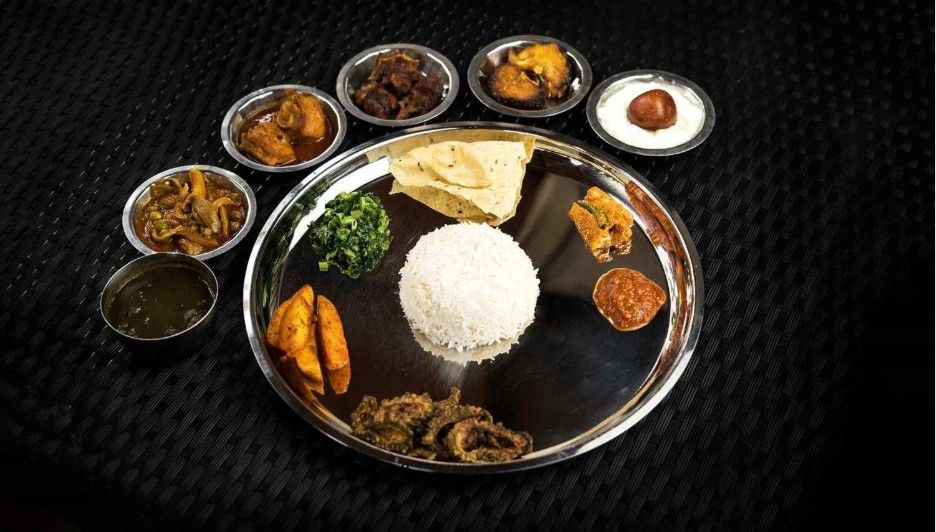
The harsh mountain climate influenced the development of Thakali cuisine. The people relied on locally grown grains such as barley, buckwheat, millet, wheat, and rice, along with potatoes, beans, lentils, and seasonal vegetables. Meat from goats, sheep, and yaks was also commonly consumed, especially during festivals and special occasions.
As trade expanded and the Thakali people migrated to cities such as Pokhara, Kathmandu, and Bhairahawa, they established restaurants that introduced their traditional meals to the rest of Nepal. Over time, “Thakali Khana Set” became one of the most popular meals in the country.
The Thakali Community and Their Food Culture
The Thakali people are well known for their hospitality, discipline, and business skills. Thakali Khana plays an important role in their daily life, religious ceremonies, festivals, and family gatherings. Meals are prepared with fresh ingredients and emphasize cleanliness, balance, and nutrition. Their cuisine reflects a combination of Himalayan traditions and influences from both Nepalese and Tibetan cultures. Every meal is carefully prepared to provide carbohydrates, protein, vitamins, minerals, and healthy fats.
Traditional Thakali Khana
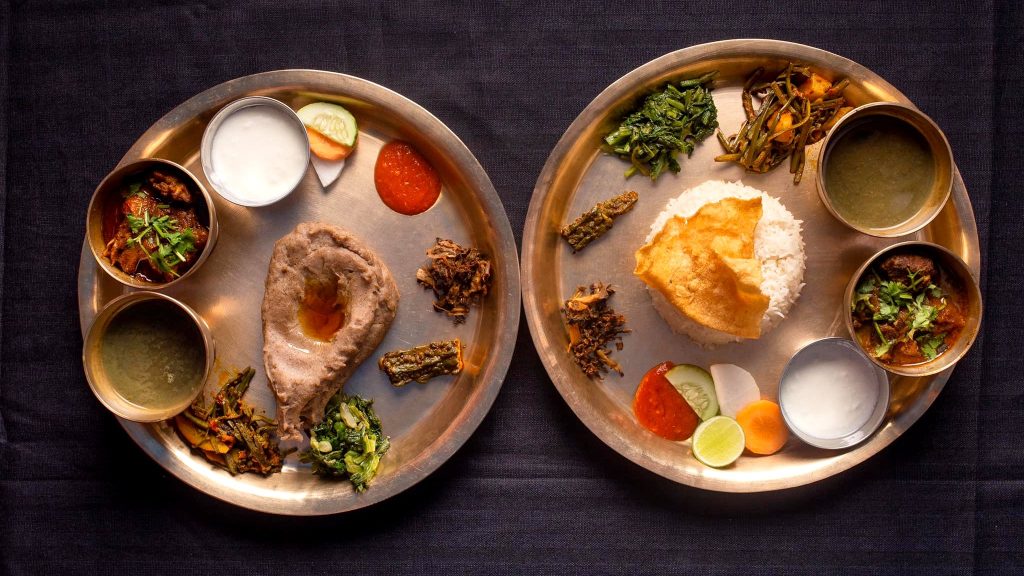
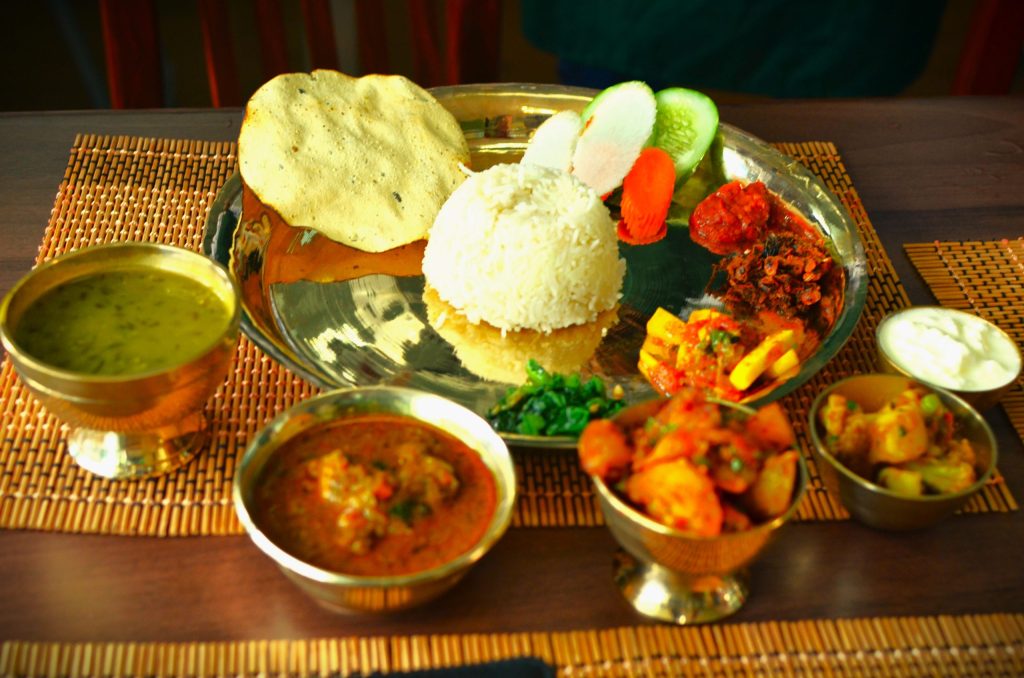
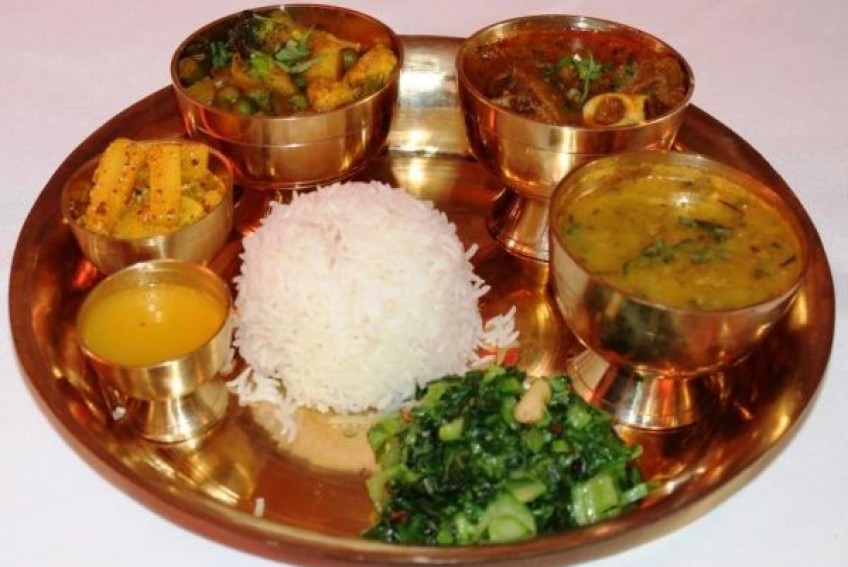
A traditional Thakali Khana is served on a large metal plate, accompanied by several small bowls filled with a variety of flavorful dishes that together create a balanced and nutritious dining experience. The meal typically begins with steamed rice or buckwheat dhido as the staple, served alongside dal (lentil soup), which provides a rich source of protein. It also includes seasonal vegetable curry (tarkari), saag (spinach or green leafy vegetables), aloo (potato curry), and black soybean curry, offering a mix of textures and essential nutrients.
To enhance the flavors, the meal is accompanied by gundruk (fermented leafy greens) and a selection of achar (pickles), which may include tomato, sesame, radish, or the distinctive timur (Sichuan pepper) pickle. Crispy papad and a spoonful of ghee (clarified butter) add extra richness and taste. Depending on personal preference, the meal may also feature chicken, mutton, or buffalo meat as a protein-rich side dish. It is traditionally finished with curd or buttermilk, which aids digestion and provides a refreshing end to this wholesome Himalayan meal.
Unique Ingredients Used
Some of the most important ingredients include timur (Sichuan pepper), which adds a unique citrusy and tingling flavor, and jimbu (Himalayan herb), an aromatic herb commonly used to season soups and curries. Staples such as buckwheat, barley, and millet are widely used to prepare breads, porridge, and dhido, while black lentils and black soybeans provide a rich source of protein. Cooking is often done with mustard oil, and the flavors are enhanced with garlic, ginger, fresh herbs, and local spices. In the higher Himalayan regions, yak products and goat products are also commonly incorporated into traditional meals.
These locally grown ingredients not only create the distinctive taste of Thakali cuisine but also offer numerous medicinal and nutritional benefits. Many are rich in essential nutrients, aid digestion, help the body adapt to colder climates, and reflect the sustainable food traditions of the Himalayan region.
Cooking Methods
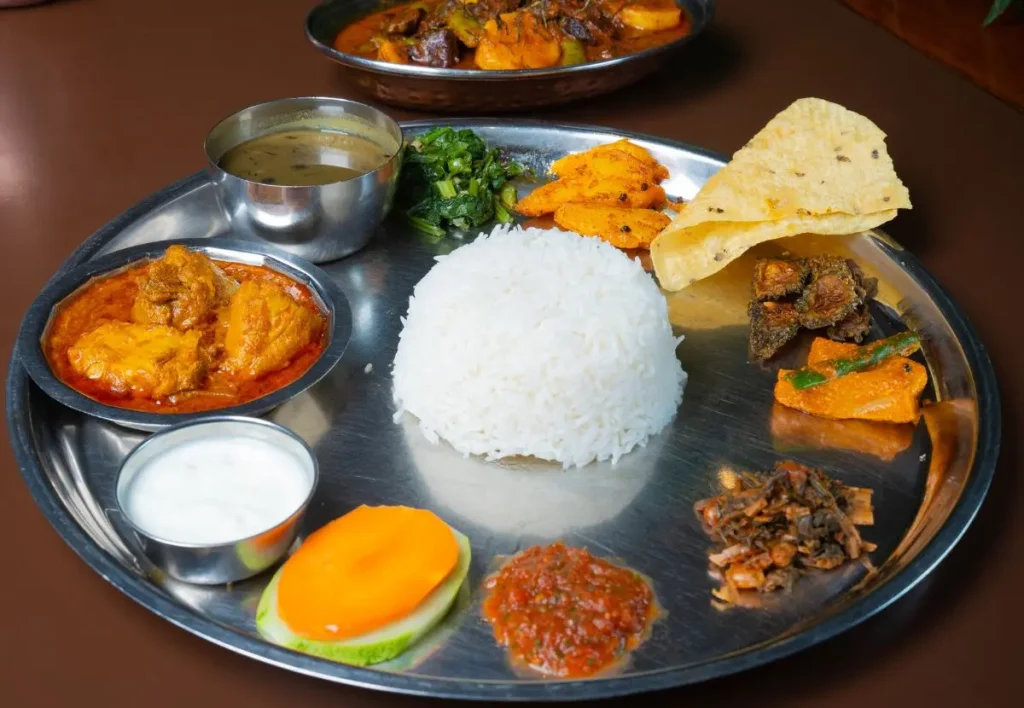
Common cooking techniques include boiling, steaming, slow cooking, stir-frying, fermentation, and roasting. Boiling and steaming are widely used to prepare staples such as rice, lentils, and vegetables, while slow cooking allows curries and meat dishes to develop deep, rich flavors. Stir-frying helps retain the freshness and crispness of vegetables, fermentation is used to make traditional foods like gundruk, and roasting enhances the flavor of spices and certain ingredients.
Since very little processed food is used, Thakali cuisine is considered both healthy and nutritious. The emphasis on fresh ingredients, traditional preparation methods, and balanced meals has helped preserve its reputation as one of Nepal’s most wholesome and flavorful culinary traditions.
Nutritional Value
In a traditional Thakali Khana, rice or dhido serves as the primary source of carbohydrates, providing the body with energy for daily activities. Lentils and beans are rich in protein, helping with muscle growth and repair, while a variety of vegetables supply essential vitamins, minerals, and dietary fiber that support overall health. Ghee contributes healthy fats and additional energy, and fermented foods, such as gundruk, promote healthy digestion and improve gut health. When included, meat provides high-quality protein along with important nutrients such as iron and vitamin B12.
This carefully balanced combination of carbohydrates, proteins, healthy fats, vitamins, minerals, and fiber makes Thakali Khana both nourishing and wholesome. As a result, it helps maintain overall health, supports proper digestion, and provides long-lasting energy, making it an ideal traditional diet for people of all ages.
Cultural Importance
Food is deeply connected to Thakali identity and traditions. During festivals, weddings, religious ceremonies, and family celebrations, special Thakali dishes are prepared and shared with relatives and guests. Hospitality is highly valued, and serving a complete meal symbolizes respect and generosity. Traditional cooking knowledge is passed from one generation to another, helping preserve the community’s cultural heritage.
Popular Thakali Dishes
Some of the most famous dishes include the Thakali Khana Set, a complete meal featuring rice, lentils, vegetables, pickles, and side dishes served on a traditional metal plate. Other popular specialties are buckwheat dhido, mutton curry, chicken curry, and black dal, all known for their rich flavors and nutritional value. Traditional soups such as gundruk soup and sisnoo (nettle) soup are widely enjoyed for their unique taste and health benefits.
The cuisine also features dishes like aloo tama (potato and bamboo shoot curry), timur pickle, black soybean curry, and local curd, each adding its own distinctive flavor and texture to the Thakali dining experience. Together, these dishes showcase the diversity, balance, and authenticity of Thakali cuisine, making it one of Nepal’s most cherished and widely appreciated culinary traditions.
Thakali Restaurants in Nepal
Today, Thakali Khana restaurants are found throughout Nepal, especially in Kathmandu, Pokhara, Butwal, Chitwan, Dharan, Nepalgunj, and other major cities. Many restaurants continue to follow traditional recipes while adapting to modern tastes. The Thakali Khana Set has become a favorite choice for office workers, families, students, and tourists because of its delicious taste, generous portions, and nutritional value.
Contribution to Nepalese Tourism
Thakali cuisine has become an important part of Nepal’s tourism industry. Visitors traveling to Mustang, Pokhara, Kathmandu, and other regions often seek authentic Thakali meals as part of their cultural experience. Local restaurants promote traditional hospitality, helping preserve Nepal’s rich culinary heritage while supporting local businesses and employment.
Thakali food is much more than a traditional meal; it represents the history, culture, lifestyle, and identity of the Thakali community. Developed in the Himalayan region through centuries of trade, agriculture, and cultural exchange, it has become one of Nepal’s most celebrated cuisines. Its balanced nutrition, fresh ingredients, unique flavors, and cultural value make it a symbol of Nepalese culinary excellence. By preserving authentic recipes and traditional cooking practices, Nepal can continue to promote Thakali cuisine as an important part of its national heritage and tourism industry.