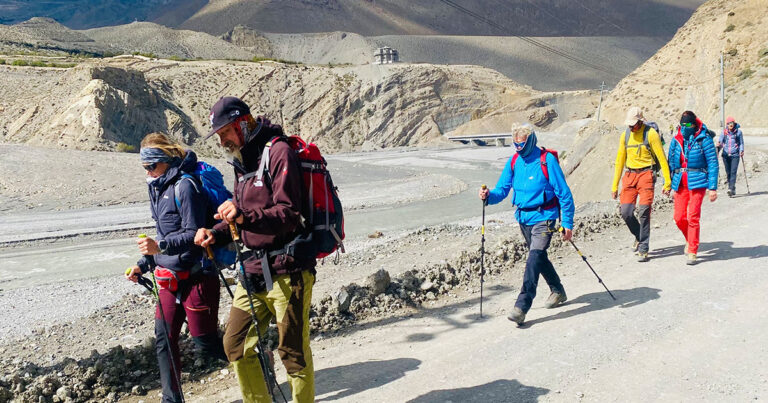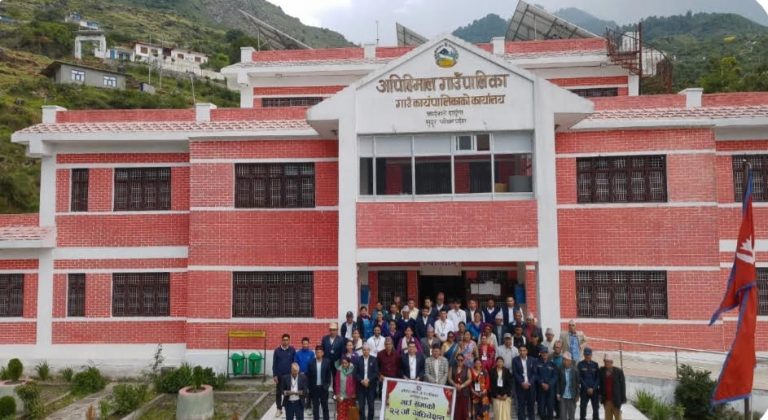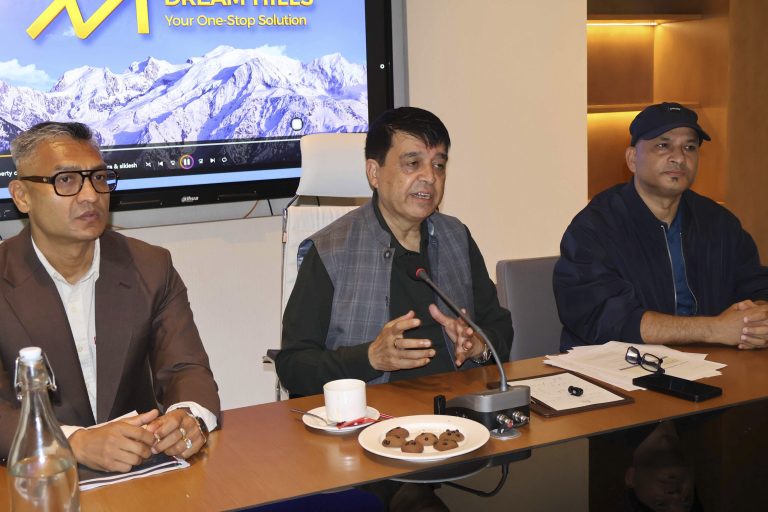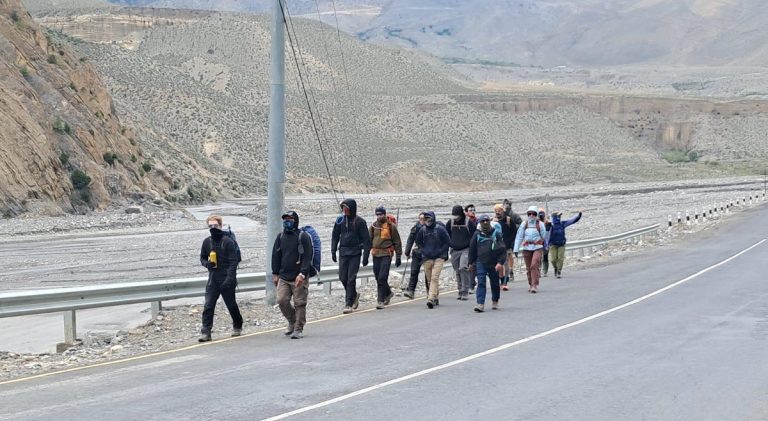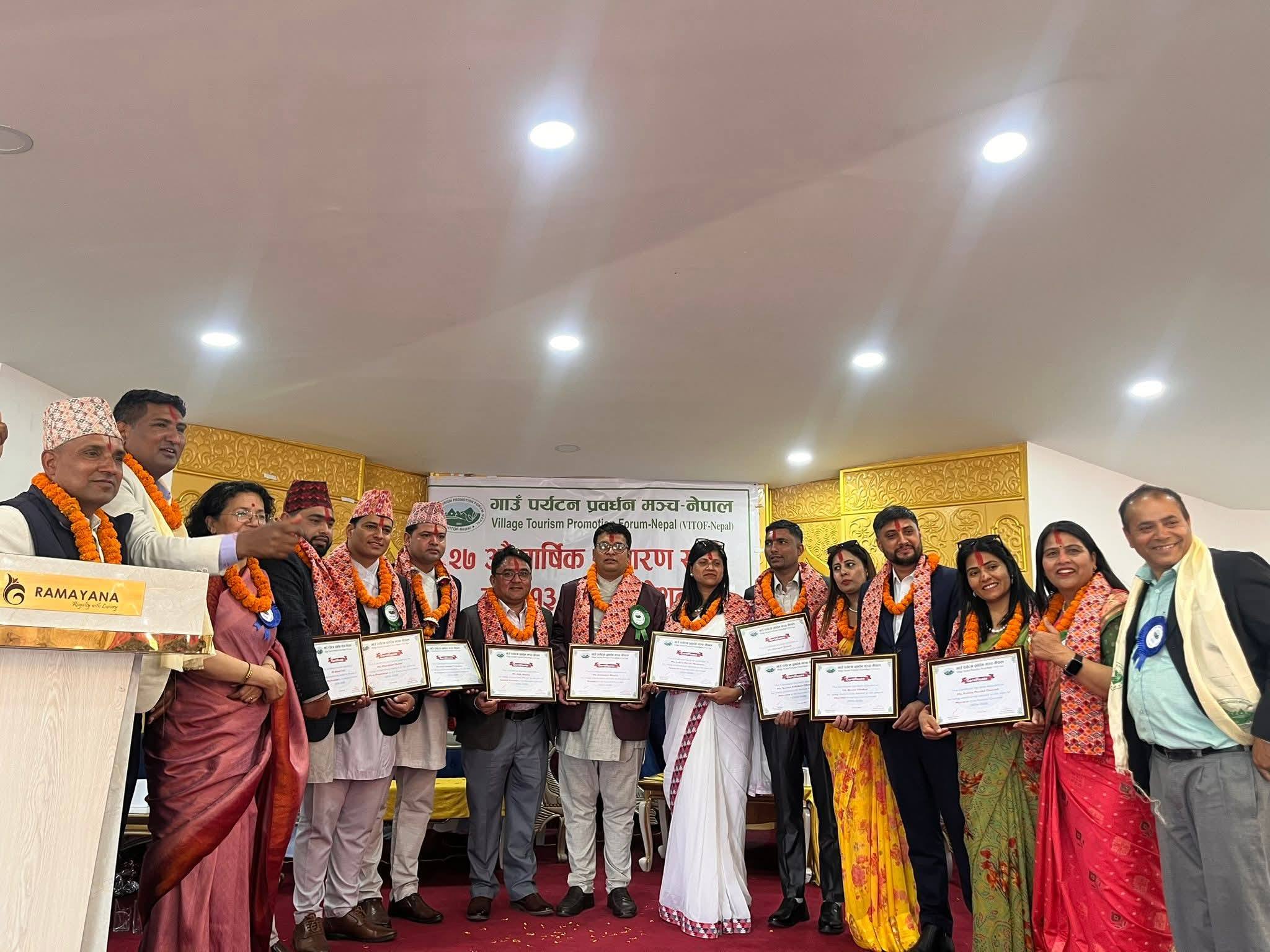
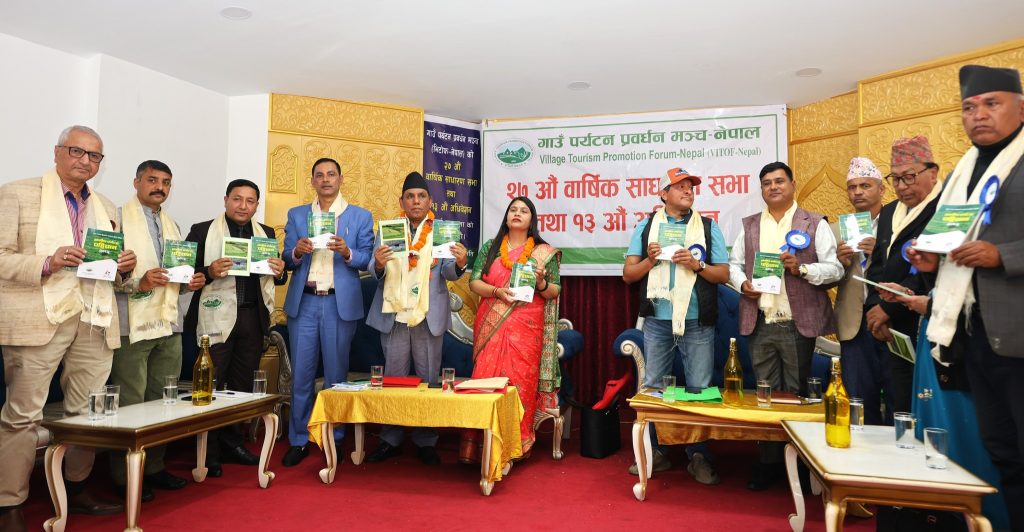
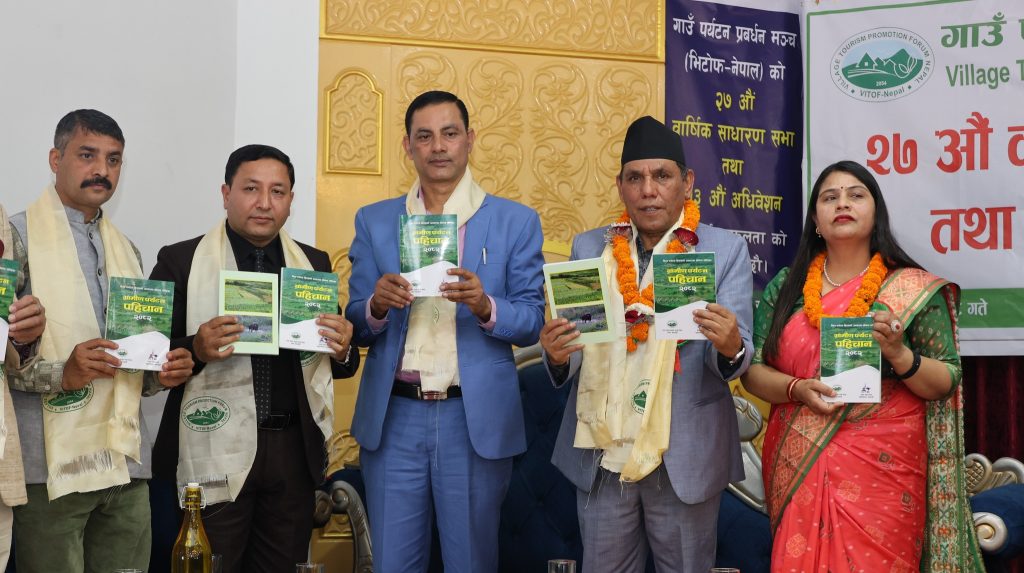
The Village Tourism Promotion Forum Nepal (VITOF Nepal) successfully concluded its 27th Annual General Meeting and 13th National Convention, electing a new leadership team under the presidency of Hari Sharan Thapaliya. The event marked a significant milestone for the organization, bringing together stakeholders, tourism entrepreneurs, and community representatives committed to advancing Nepal’s rural tourism sector. The newly elected team is expected to lead the forum with renewed commitment, unity, and a strategic vision to further strengthen grassroots tourism initiatives across the country.
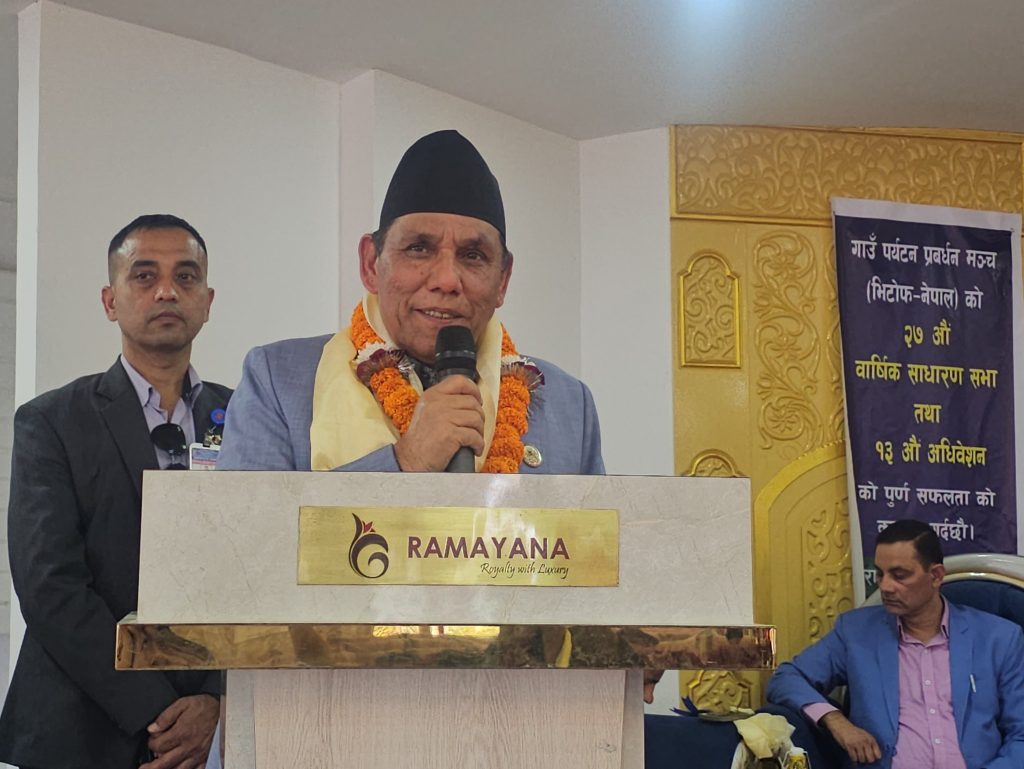
Narayan Prasad Dahal graced the convention as the chief guest, whose presence added prominence to the event. Addressing the gathering, he extended his heartfelt congratulations and best wishes to the newly elected leadership team and all members of VITOF Nepal. He appreciated the organization’s long-standing contribution to promoting rural tourism and acknowledged its role in taking tourism activities to village communities across Nepal.
New Leadership Elected in VITOF Nepal
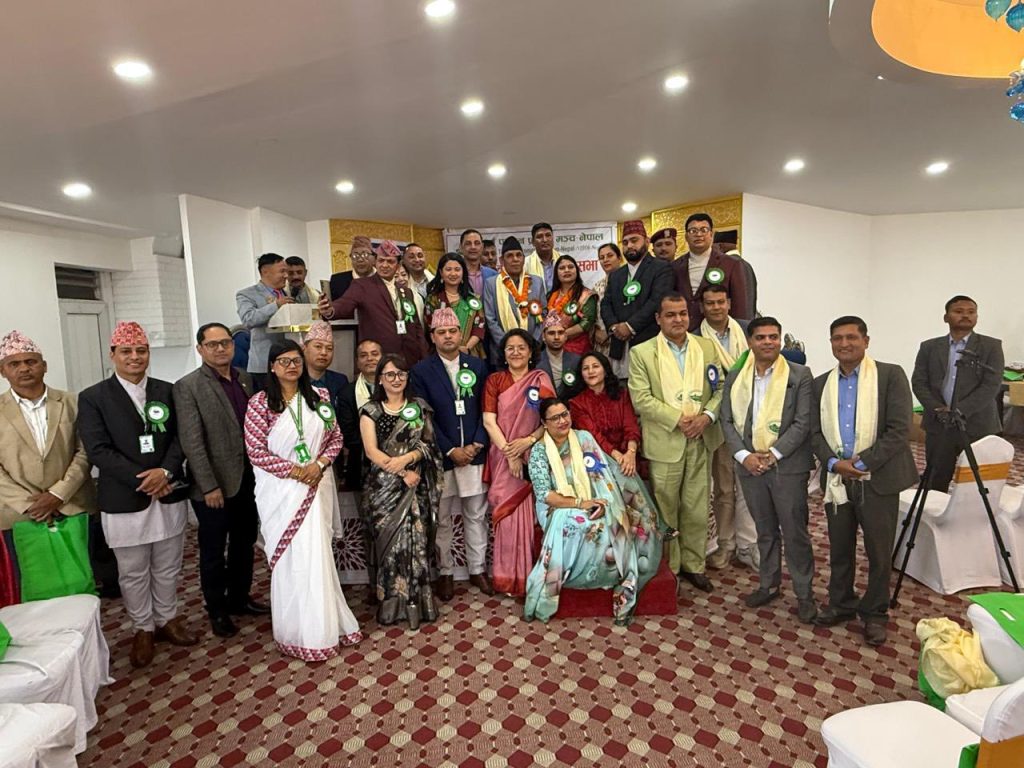
From the convention, a dedicated and experienced leadership team was elected to guide VITOF Nepal in the coming term. The Newly Elected Leadership Team of Village Tourism Promotion Forum Nepal (VITOF Nepal) are:
- President: Hari Sharan Thapaliya
- Immediate Past President: Sakuntala Devkota
- First Vice President: Manhari Dajal
- Second Vice President: Binod Wosti
- General Secretary: Ajeeb Bhatta
- Secretary: Surendra Bhatta
- Treasurer: Indira Rimal Neupane
- Assistant Treasurer: Narayan Sodari
- Members: Sunita Adhikari Neupane, Pradip Kumar Tamang, Sunita Paudel Dawadi, and Binod Dhakal.

Stakeholders expressed confidence that the newly elected team will provide dynamic and honest leadership capable of uniting the organization and accelerating its mission of promoting rural tourism in Nepal.
Recognizing the Role of Rural Tourism of VITOF Nepal
Speakers at the event highlighted the crucial role VITOF Nepal has played since its establishment in promoting and expanding tourism activities beyond urban centers into rural communities. The organization has been instrumental in encouraging tourism in villages, thereby contributing to balanced regional development and showcasing Nepal’s authentic cultural and natural heritage.
Nepal, with its unique blend of Himalayan, hilly, and Terai landscapes, along with its rich diversity in ethnicity, language, culture, and traditions, offers immense potential for rural tourism. The untouched beauty, organic lifestyle, and warm hospitality found in rural areas have become key attractions for both domestic and international tourists.
During the VITOF Nepal’s Convention, Narayan Prasad Dahal emphasized that rural tourism is essential for making Nepal’s tourism industry more inclusive, sustainable, and nationally impactful. He stated that tourism development must now shift towards villages to ensure equitable economic benefits and long-term growth. Highlighting existing challenges such as a lack of infrastructure, skilled manpower, and effective promotion, he urged stakeholders to transform these issues into opportunities through coordinated efforts. He also stressed the need for strong collaboration between the government, private sector, and communities, alongside effective policy implementation, to unlock the full potential of rural tourism.
Economic and Social Impact
Rural tourism was emphasized not only as a means of attracting visitors but also as a powerful tool for local economic development. Initiatives such as homestays, agro-tourism, cultural tourism, and adventure tourism have created employment opportunities at the local level, promoted small and cottage industries, and helped retain youth in villages by providing viable income sources.
Moreover, linking local products with tourism has opened new avenues for income generation, contributing to the upliftment of rural economies. At the same time, these activities have played a vital role in preserving traditional art, culture, and lifestyles.
Challenges and Opportunities
Despite the vast potential, speakers acknowledged that Nepal has yet to fully capitalize on its rural tourism opportunities. Challenges such as inadequate infrastructure, lack of quality service standards, limited skilled manpower, insufficient promotion, and weak market access continue to hinder growth. Additionally, many potential destinations remain underdeveloped due to a lack of investment and proper planning. However, stakeholders stressed that these challenges can be transformed into opportunities through coordinated efforts and strategic interventions in VITOF Nepal.
Need for Collaboration and Policy Support
The convention underscored the importance of collaboration among the government, private sector, and civil society organizations. While the government is responsible for policy formulation, it must also ensure effective implementation. Investment in basic infrastructure, such as roads, electricity, drinking water, internet, healthcare, and security, was identified as essential for the growth of rural tourism.
Private sector involvement was highlighted as a key driver of innovation, professional management, and market expansion. Expanding investments in homestays, eco-resorts, boutique lodges, and adventure tourism with a balance of profitability and social responsibility can significantly strengthen the sector.
Similarly, social organizations were recognized for their role in community empowerment, skill development, and cultural preservation. Awareness campaigns, cleanliness drives, environmental conservation, and promoting tourism-friendly behavior at the local level were noted as critical contributions.

Embracing Digital Promotion and Sustainability
In today’s digital age, the use of online platforms, social media, and digital marketing is essential to promote Nepal’s rural destinations globally. Ensuring quality standards, regular monitoring, and delivering excellent tourist experiences were also emphasized as priorities. Speakers called for a shift towards sustainable and inclusive tourism practices that place local communities at the center, maintain environmental balance, and ensure long-term benefits.
Commitment to a Strong Future of VITOF Nepal
Concluding the event, participants expressed confidence that with a clear vision, strong collaboration, and dedicated leadership under Hari Sharan Thapaliya, Nepal can emerge as one of the world’s leading rural tourism destinations. The convention ended with congratulations to the newly elected committee and a collective commitment from all stakeholders to work together for the sustainable promotion and development of rural tourism in Nepal.