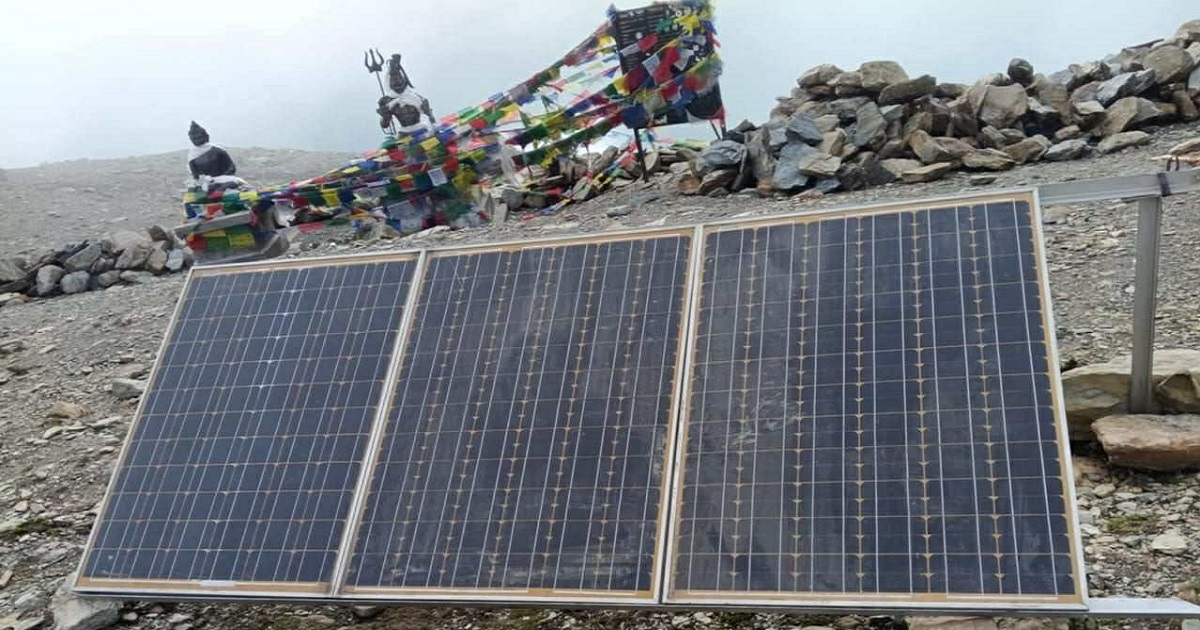
World’s Highest Tilicho Lake Now Lit by Solar Energy
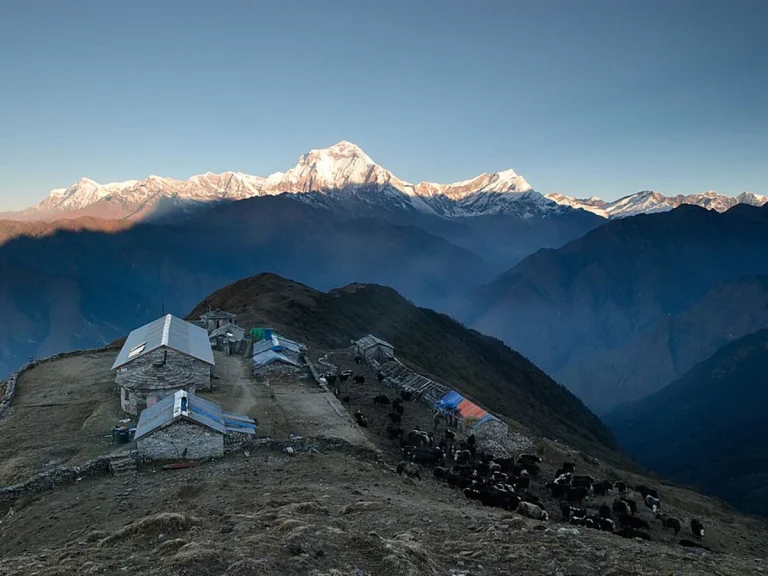
In a remarkable achievement, electricity has been supplied through solar energy to Tilicho Lake, one of the world’s highest-altitude lakes, situated at an elevation of 4,949 meters above sea level in Ward No. 9 of Manang’s Neshyang Rural Municipality. The Nepal Electricity Authority (NEA) recently installed a 390-watt solar panel system to illuminate the area and assist trekkers and visitors with basic power access.
Raju Mahato, head of the NEA’s Manang Distribution Center, confirmed that the solar panel has been successfully set up to provide electricity at Tilicho Lake. “Due to the extreme cold, mobile phones often shut down before even reaching the lake. With the new power setup, visitors can now charge their devices, making their visit more convenient,” he stated.
Electricity Already Reached Tilicho Base Camp
Prior to this, electricity from the national transmission line had already been extended up to the Tilicho Base Camp, located in Khansar at 4,250 meters. The base camp now has a 50 kVA transformer that ensures a stable power supply.
“The trek from base camp to the lake takes about three hours. Since there are no human settlements near the lake, we opted for a solar energy solution as an interim power source,” said Mahato. The NEA emphasized that power has been made readily available in all inhabited areas and that electrification of the base camp has made operations and amenities more accessible to trekkers and staff.
Food Reserves Stocked to Prevent Monsoon-Triggered Crisis
As the monsoon season sets in across Nepal, the risk of natural disasters like landslides, floods, and road blockages looms large. To mitigate potential food crises resulting from these disruptions, the Food Management and Trading Company (FMTC) in Manang has begun stockpiling essential food grains.
Company head Ramashankar Kushwaha informed that 1,073 quintals of food grains have been stored to ensure food security during the monsoon months. “Even if a crisis arises, there will be no immediate shortage of daily essentials. We’ve prioritized not just storage but also distribution readiness,” he explained.
Sales Data Highlights Food Needs and Preparedness
According to data from FMTC, the company had received a total of 1,693.50 quintals of food grains last fiscal year, and 1,685.66 quintals were sold. In the current fiscal year 2080/81, the company has already received 1,065.25 quintals, out of which 1,073.09 quintals remain in stock, ensuring sufficient reserves for emergency response.
Kushwaha shared that the FMTC has made efforts to ensure both availability and quality. “We’ve moved beyond just selling fine rice and are now offering premium varieties like Basmati rice as part of our food stock,” he saiSd.
Nutritious and Fortified Rice Included for Public Health
In a first-of-its-kind initiative, the company has started storing fortified rice that meets Nepal Government’s nutritional standards. The rice contains iron, zinc, Vitamin A, Vitamin B12, and folic acid, aiming to enhance public health alongside food security.
“This move is aligned with our goal of making food supply both people-centric and health-conscious,” Kushwaha said. Additionally, the company plans to sell other daily-use items such as sugar and cooking oil to make essential items readily accessible in case of transportation disruptions.
Local Partnerships Promote Indigenous Agriculture
FMTC has also focused on promoting and purchasing local and indigenous food crops in coordination with local governments. Agreements have been signed with Chame and Narpa Bhumi Rural Municipalities to facilitate this effort.
Sales and procurement units have been established at Timang in Chame and Meta in Narpa Bhumi to both distribute food and procure native crops. This initiative not only promotes food sovereignty but also boosts the local economy.
“We aim to create an environment where local and indigenous grains are consumed more, encouraging farmers to produce more of what their communities need,” Kushwaha stated. “This will motivate farmers while also ensuring that food needs are met locally.”
Sustainable Tourism and Food Security: A Parallel Approach
While the successful electrification of Tilicho Lake supports sustainable tourism in the high Himalayas, the food security initiative in Manang reflects the government’s commitment to proactive disaster management. Together, these two developments showcase Nepal’s evolving approach to combining infrastructure, environmental awareness, and local resilience.
Tilicho Lake, now accessible with basic electric amenities, will likely attract even more trekkers in the coming seasons. Meanwhile, the readiness of food stocks in Manang ensures that residents and travelers alike will be protected from potential shortages during the volatile monsoon season.
These efforts reflect a broader national strategy to ensure sustainable development even in Nepal’s most remote and ecologically sensitive regions. With enhanced power access and guaranteed food security, Manang is setting an example for balanced progress in high-altitude areas.