The Annapurna Conservation Area, one of Nepal’s most popular trekking destinations, has witnessed a significant decline in tourist arrivals following the recent Gen-Z protests. According to Dr. Rabin Kadariya, Chief of the Annapurna Conservation Area Project (ACAP), the impact has been particularly severe among Indian tourists.
Before the protests, as many as 709 tourists from South Asian countries were taking trekking permits for the region in a single day. However, the number dropped drastically to just 79 on Thursday, highlighting the immediate impact on the area’s tourism sector.

Drop in Indian and South Asian Visitors
Dr. Kadariya explained that the number of Indian tourists, who represent a large portion of South Asian visitors, has fallen sharply since the protests. While the arrivals from third-country nationals have also been affected, the drop is more visible among visitors from the SAARC region.
“In comparison to last year, the number of foreign tourists this September has fallen by almost half,” Dr. Kadariya said. “Last year in September, the Annapurna region welcomed 23,088 visitors, but this year only 9,999 tourists have taken entry permits as of September 18.”
Out of these, 5,549 tourists were from South Asian countries, while 4,450 came from other nations. This decline comes at a time when the trekking season is just beginning, a crucial period for Nepal’s mountain tourism.

Peak Season Dampened by Uncertainty
The months of Ashwin and Kartik (September and October) are traditionally regarded as the peak trekking season in Nepal. With major festivals like Dashain and Tihar falling in this period, both domestic and foreign tourists typically plan their travel around these months. However, the uncertainty created by the protests has discouraged many from visiting.
“Gen-Z protests have disrupted the flow of tourists just as the peak trekking season was beginning,” Dr. Kadariya said. “Although life has returned to normal and no damage has occurred in any of the Annapurna destinations, tourist numbers have been deeply affected.” He stressed that the Annapurna region remains completely safe for travel, with a peaceful environment ideal for trekking.
Industry Leaders Urge for Global Messaging
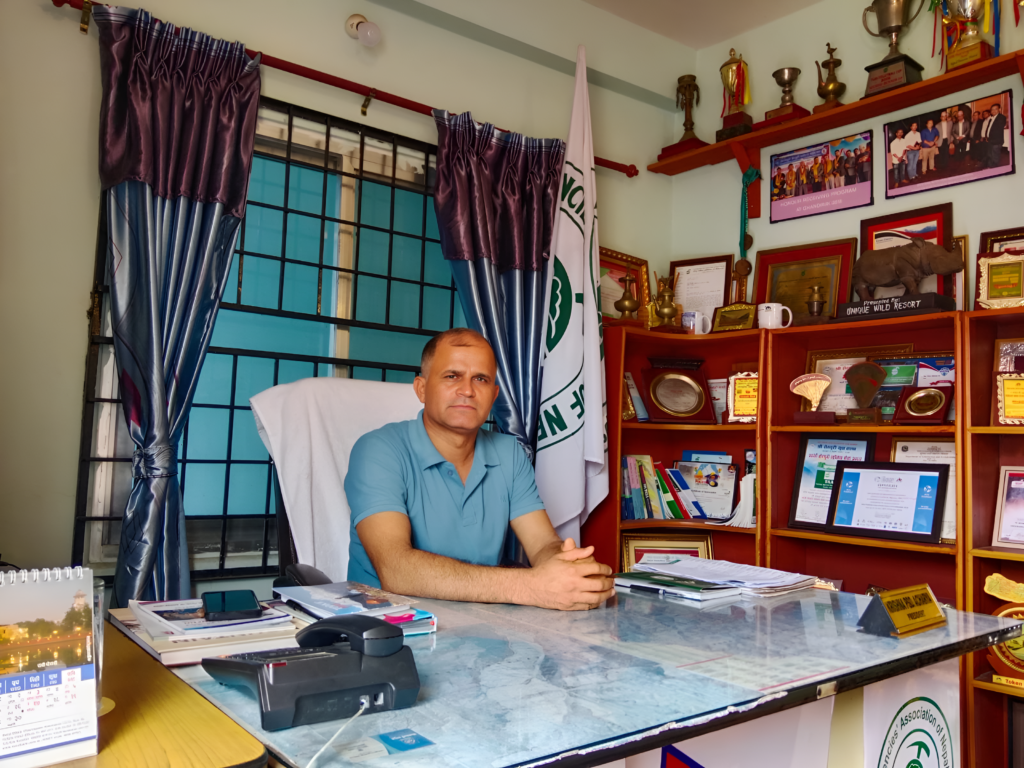
Tourism entrepreneurs believe that strong and clear messaging is essential to revive confidence in Nepal as a safe destination. Krishna Prasad Acharya, President of Trekking Agencies’ Association of Nepal (TAAN) Gandaki, emphasized the need to communicate Nepal’s safety to the international community. “September and October are the heart of our trekking season,” Acharya said. “Tourists usually plan their visits during these months, but uncertainty still persists. Many travelers who had already booked are hesitating, while some have outright canceled their bookings.”
TAAN, along with other tourism-related organizations, has been working to facilitate safe travel for foreign visitors to their destinations. Acharya highlighted that ensuring security and confidence among tourists is critical to bringing the sector back on track.
Previous Year’s Numbers Contrast with Current Decline
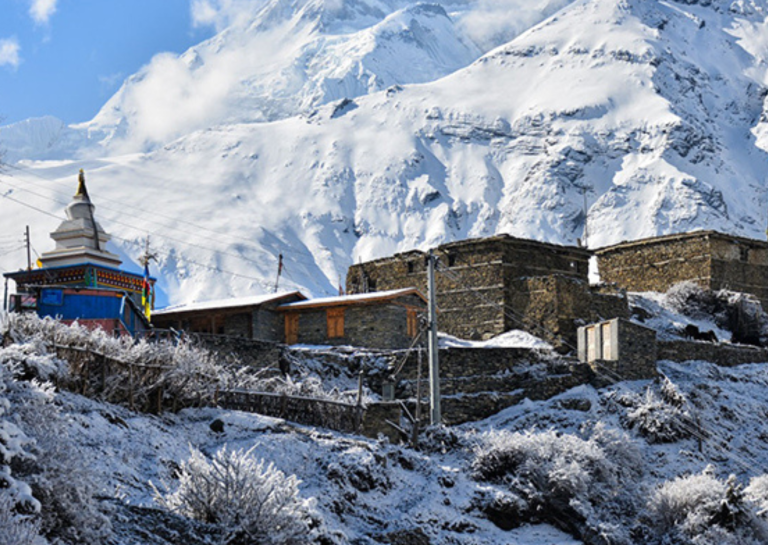
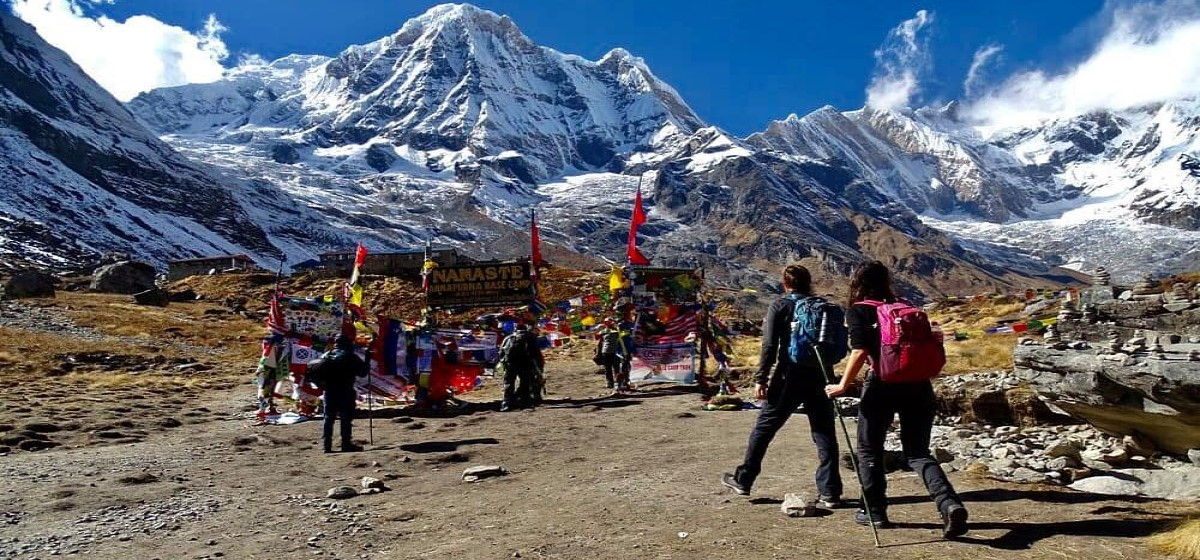
The Annapurna Conservation Area has long been one of the most visited trekking regions in Nepal, attracting both domestic and international trekkers with its scenic landscapes, cultural diversity, and iconic trekking routes such as Annapurna Base Camp and the Annapurna Circuit.
In the last fiscal year alone, the area welcomed 278,113 foreign visitors, contributing significantly to Nepal’s tourism economy. The current figures, however, paint a concerning picture for stakeholders who depend heavily on trekking tourism for their livelihoods.
Way Forward for Recovery
Despite the setbacks, tourism stakeholders remain cautiously optimistic. With normalcy restored and the festive season approaching, they believe promotional campaigns emphasizing Nepal’s safety and hospitality could help rebuild tourist confidence.

Dr. Kadariya reiterated that no harm has come to the Annapurna trekking routes or destinations and that travelers can safely explore the region. Similarly, TAAN and other associations have pledged to assist tourists with necessary logistics and safe passage to ensure smooth trekking experiences.
Stakeholders argue that the government, private sector, and tourism organizations must act quickly to counter the negative image created by the protests. A coordinated effort, they believe, is essential to reassure travelers, prevent further cancellations, and restore the Annapurna region to its status as a world-class trekking destination.
The recent decline in tourist arrivals in the Annapurna Conservation Area serves as a stark reminder of the sensitivity of Nepal’s tourism industry to political and social disruptions. While the situation on the ground has normalized, perceptions abroad continue to affect travel decisions.
As Nepal steps into its busiest trekking months, the combined efforts of tourism authorities, local stakeholders, and international partners will be crucial in ensuring that the Annapurna region regains its momentum. For now, the message remains clear: the Annapurna Conservation Area is safe, serene, and ready to welcome trekkers once again.