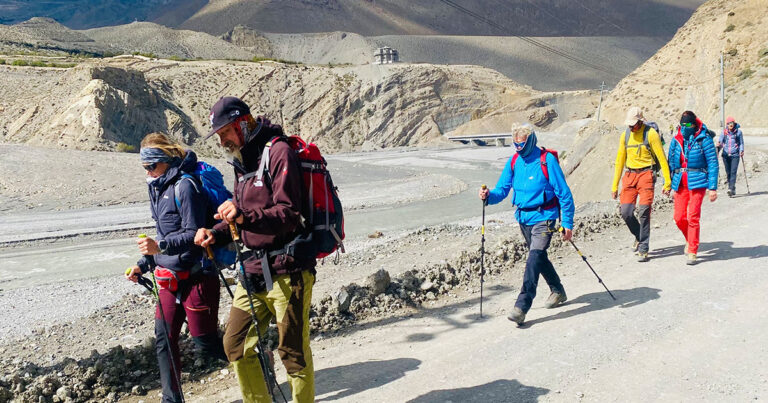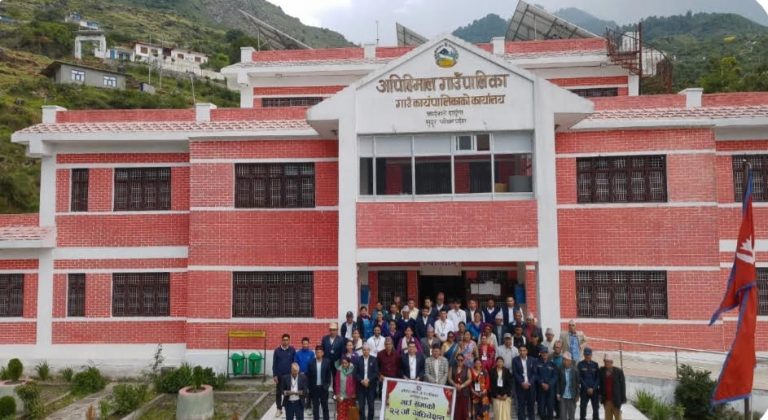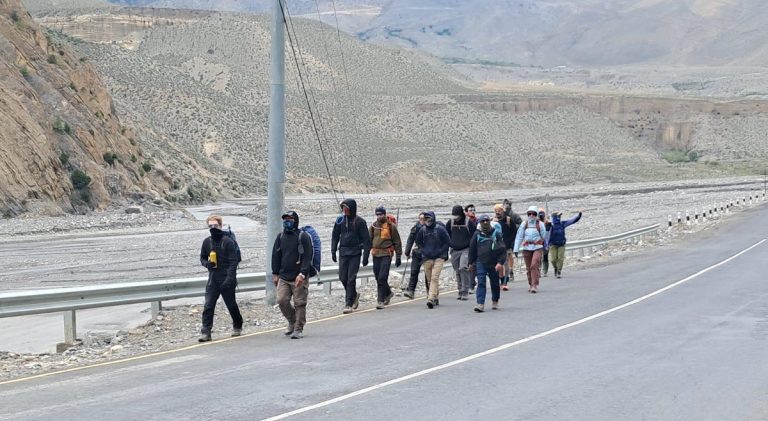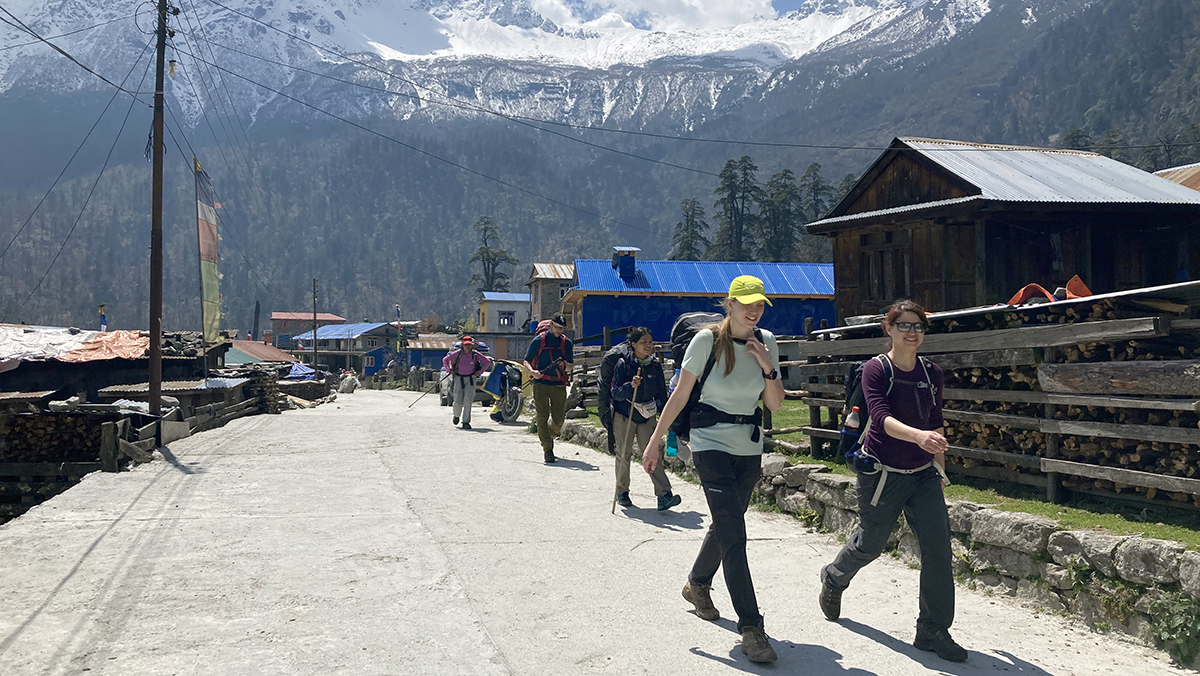
The Annapurna Conservation Area (ACA), one of Nepal’s most popular trekking destinations, witnessed a decline in foreign tourist arrivals this September. According to the Annapurna Conservation Area Project (ACAP), a total of 19,386 international visitors entered the region during the month, a decrease of 3,702 tourists compared to the same period last year.
Tourist Numbers Drop During Peak Season
September and October traditionally mark the peak tourism season in Nepal, attracting thousands of trekkers and adventure enthusiasts from around the world. However, this year, multiple factors contributed to the decline in tourist arrivals. ACAP officials noted that the “Gen-Z protest movement”, along with unfavorable weather conditions, disrupted travel plans for many international visitors.

Dr. Rabin Kadariya, Chief of the Annapurna Conservation Area Project, confirmed that out of the total arrivals, 8,542 were from Asian countries, while 10,844 came from other regions. “The Gen-Z protest, which coincided with the start of the tourist season, created uncertainty. Several foreign visitors canceled their trips, and the number of Indian tourists visiting Muktinath and surrounding areas also fell,” Dr. Kadariya said.
Local Businesses Feel the Impact
The decline in tourist flow has affected local tourism-based businesses in popular destinations like Ghorepani, Poon Hill, and Muktinath. According to Amrit Pun, an officer at the Poon Hill ticket counter in Annapurna Rural Municipality–6 of Myagdi district, around 200 foreign tourists visited the Ghorepani–Poon Hill area on Wednesday alone. “The number has slightly increased over the last few days, but it is still lower compared to previous years. During this season, we used to receive up to 400 visitors daily,” he said.
Hotel entrepreneurs in the region are facing similar challenges. Dam Bahadur Pun, a hotel owner in Ghorepani, shared that 27 tourist groups canceled their bookings in recent days. “Both foreign and domestic tourists have decreased this year. Such cancellations have had a significant financial impact on local hotels and guides,” he added.
Calls for Revival and Safety Assurance
Despite the setback, authorities have assured that all destinations within the Annapurna region remain peaceful, safe, and open for travel. Dr. Kadariya urged tourists to visit the region without hesitation, highlighting that Nepal’s festivals like Dashain and Tihar make this period ideal for both domestic and international travel.
He further emphasized the need for coordinated efforts from the government and tourism stakeholders to restore confidence among travelers and revive the tourism sector. “Nepal remains a safe destination for visitors. We must work together to project this message globally and bring tourist arrivals back to their usual rhythm,” Dr. Kadariya stated.

Annapurna: A Jewel of Natural and Cultural Heritage
Spanning over 7,600 square kilometers, the Annapurna Conservation Area covers 87 wards across 15 local levels in the districts of Kaski, Lamjung, Manang, Myagdi, and Mustang. The region is globally renowned for its breathtaking mountain scenery, rich biodiversity, unique Himalayan lifestyle, and cultural diversity. These attributes have long made Annapurna one of the most favored trekking zones for both domestic and foreign tourists.
Though the current figures show a temporary decline, tourism entrepreneurs believe the region’s natural and cultural charm will continue to attract visitors once the situation stabilizes. With improved weather, effective promotion, and restored travel confidence, Annapurna is expected to regain its momentum as Nepal’s premier trekking destination.