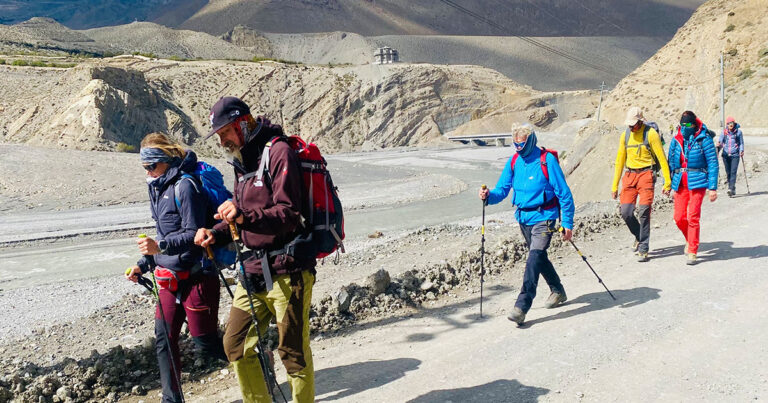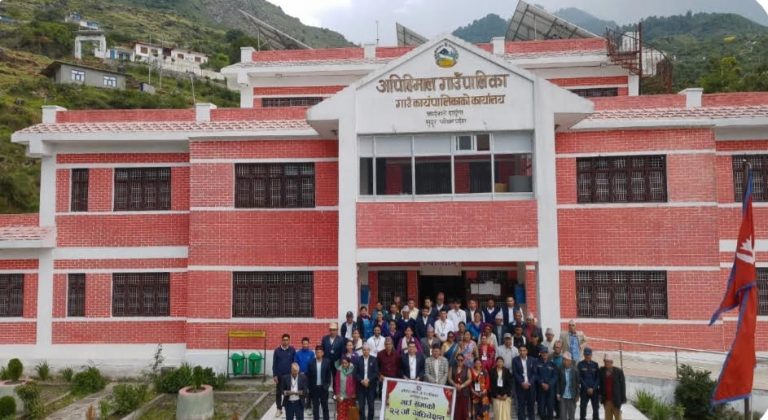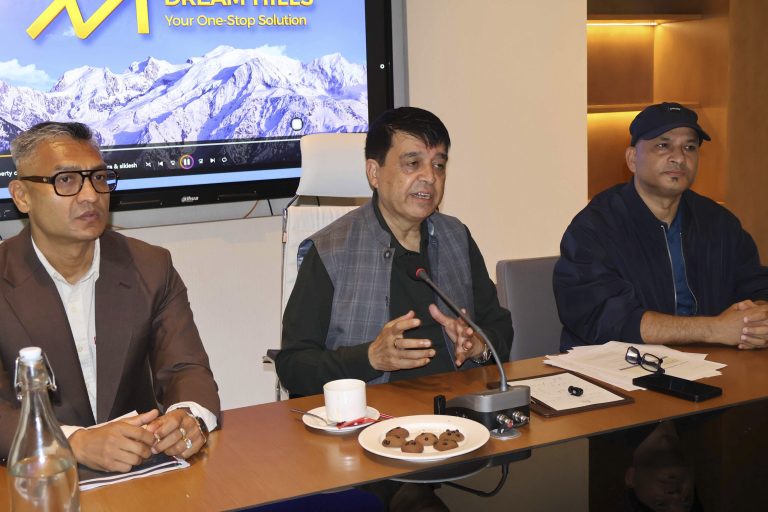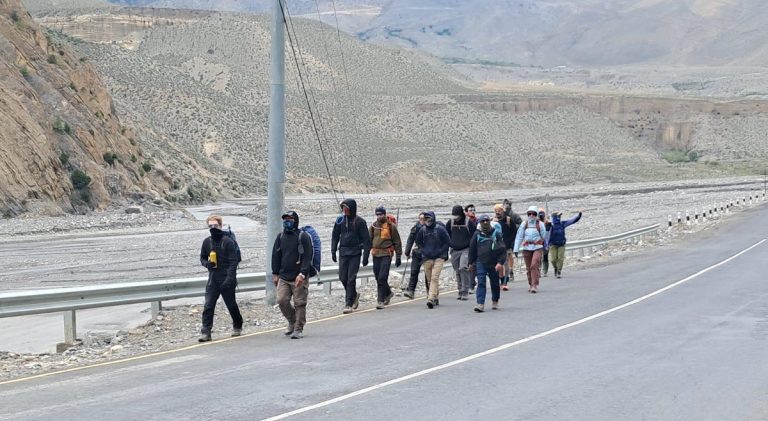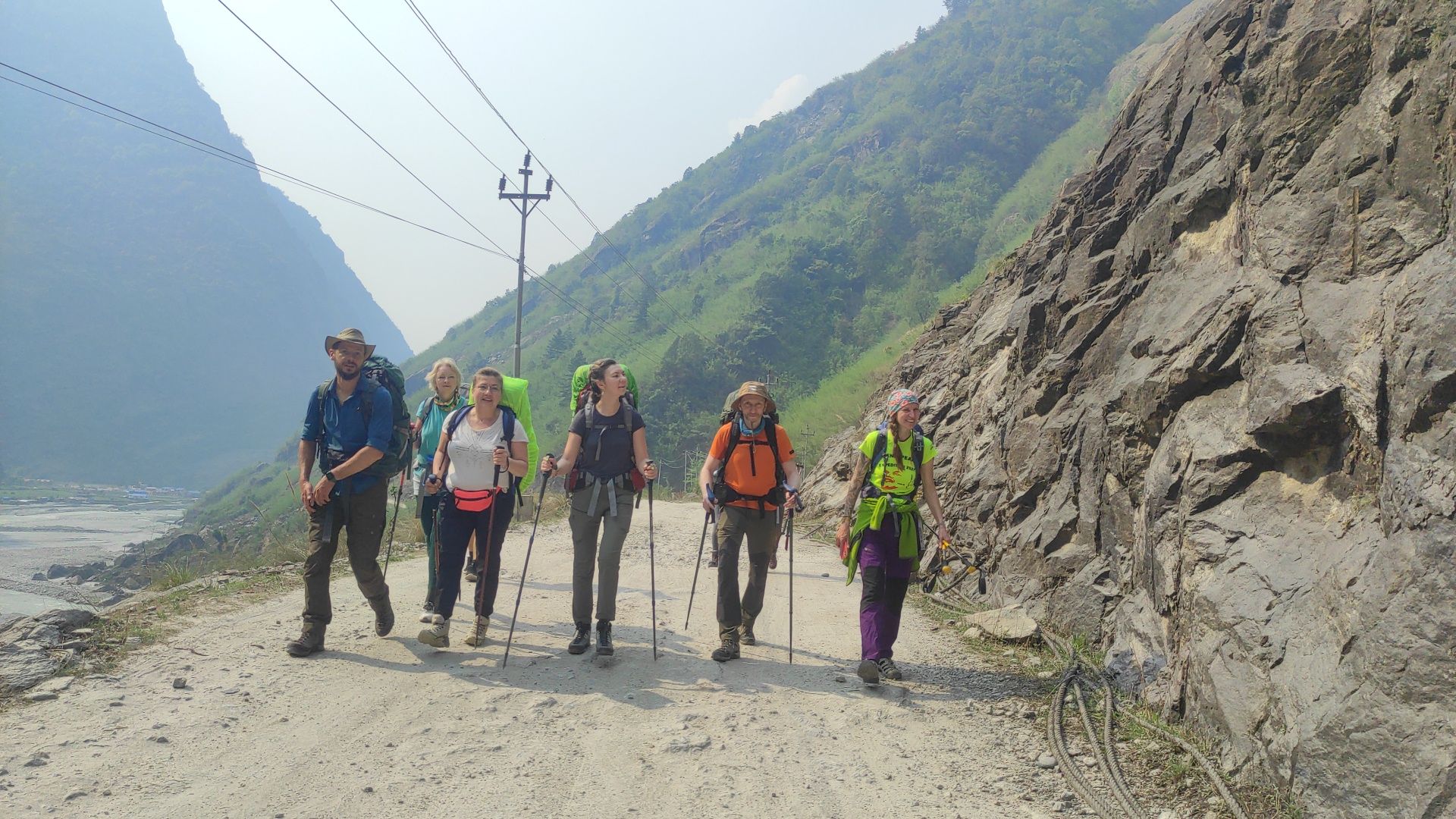
The picturesque Himalayan district of Manang has witnessed a significant increase in foreign tourist arrivals, reaffirming its position as one of Nepal’s premier trekking and cultural destinations. According to data provided by the Manang Area Office of the Annapurna Conservation Area Project (ACAP), a total of 37,732 foreign tourists visited Manang in the fiscal year 2081/82, a notable rise compared to the previous year.
Yearly Growth in Tourist Arrivals
As per Dharapani Tourist Check Post records under the Annapurna Conservation Area, 22,477 were male, 15,249 female, and 6 others among the total visitors this year. The figure marks a substantial increase compared to 22,371 visitors from 124 countries recorded in the previous fiscal year 2080/81, highlighting a growing global interest in the natural and cultural beauty of Manang.
Tourist Origins and Top Visiting Nations
Dhak Bahadur Bhujel, the head of the Manang Area Office of ACAP, confirmed that tourists from 134 countries visited Manang in FY 2081/82. The majority came from non-SAARC countries, with 35,178 tourists from various nations outside South Asia, and 2,554 from SAARC countries.
Among them, Israel topped the list with 4,358 tourists, followed by France with 3,616 and Germany with 2,842 visitors. This marks a change from last year when French nationals had the highest presence. Bhujel emphasized that this year, ten countries showed an increase in their number of visitors, demonstrating a broader international appeal for the region.
Economic and Social Impact of Tourism
Tourism continues to play a vital role in the local economy of Manang. “The increasing number of tourists is boosting the economic condition of our district and contributing to the national economy as well,” said Bhujel. “The majority of locals depend on agriculture and tourism, and the rise in visitors directly benefits livelihoods through hotel businesses, local guides, porters, and craft sales.” Manang’s growing popularity is not only uplifting the local standard of living but also reinforcing the importance of preserving its unique natural and cultural heritage.
Attraction of the Annapurna Circuit
Manang lies on the famous Annapurna Circuit, which has been ranked among the world’s top ten high-risk yet rewarding trekking routes. Bhujel noted that despite visitors arriving from all over the world, countries like Israel, France, and Germany continue to dominate due to their longstanding trekking cultures and appreciation for Nepal’s high-altitude trails.
Data also shows that tourists from countries like the USA, China, Russia, and India are increasingly choosing Manang as a trekking destination. The stunning natural landscapes, Himalayan views, and deep cultural roots of the region make it a top choice for adventurers and spiritual seekers alike.
Rising Trend of Domestic Tourism
Alongside foreign visitors, domestic tourism is also on the rise. According to Bhupendra Gurung, Conservation Education Assistant at ACAP Manang, the number of Nepali tourists visiting Manang during public holidays has seen a noticeable increase.
“During extended holidays of three or four days, we’ve recorded a surge in internal tourism,” Gurung said. “More Nepali people are now interested in trekking and exploring their own country.” He emphasized that while domestic visitor data is not formally recorded, the visible footfall has been significant, especially in popular areas like Tilicho Lake.
Tilicho Lake – A Top Draw for Tourists
Tilicho Lake, located at high altitude in Ward 9 of Ngisyang Rural Municipality, has become a favorite among both domestic and international travelers. Cholpa Gurung, the ward chairperson, noted that most internal tourists consider Tilicho their main destination. “Whenever there’s a long public holiday, Tilicho Lake becomes the prime attraction,” he said. Many tourists pass through Manang and then continue toward Thorong La Pass, eventually reaching Mustang, while others opt for the route via Larke Pass to Manaslu.
Post-COVID and Post-Flood Recovery in Tourism
Following the COVID-19 pandemic and the devastating floods of 2078 BS, tourist activity in Manang had slowed. However, recent years have shown a strong recovery and growth trend. The scenic mountain views, the unique culture and traditions of the Manangi people, and the breathtaking geography have all contributed to the resurgence of tourism. Manang now stands as a symbol of resilience, attracting visitors eager to experience not just the mountains but also the hospitality, food, and rituals of this Himalayan community.
Annapurna Circuit and Improved Accessibility
The Annapurna Circuit Trek begins from Besisahar Municipality–7’s Manange Chautara in Lamjung, linking five districts: Lamjung, Manang, Mustang, Myagdi, and Kaski. Most tourists travel by vehicle from Kathmandu to Besisahar and then continue their journey toward Chame or Khangsar.
Recent road expansions have enabled vehicles to reach further into the district, making Chame and Khangsar accessible by road, after which the actual trekking route begins. This ease of transportation has enhanced tourist access while also posing challenges in terms of environmental sustainability and traditional trail preservation.
A Promising Outlook for Manang Tourism
The data and local testimonies clearly indicate that Manang’s tourism industry is thriving. The district’s rich combination of natural beauty, cultural depth, and improved infrastructure has helped it reclaim its status as a must-visit trekking destination.
As Manang continues to draw tourists from around the globe, maintaining a balance between tourism development and environmental conservation will be key to sustaining this momentum and ensuring long-term benefits for local communities and the national economy.