Prolonged Visa Delays Disrupt Pilgrimage Flow
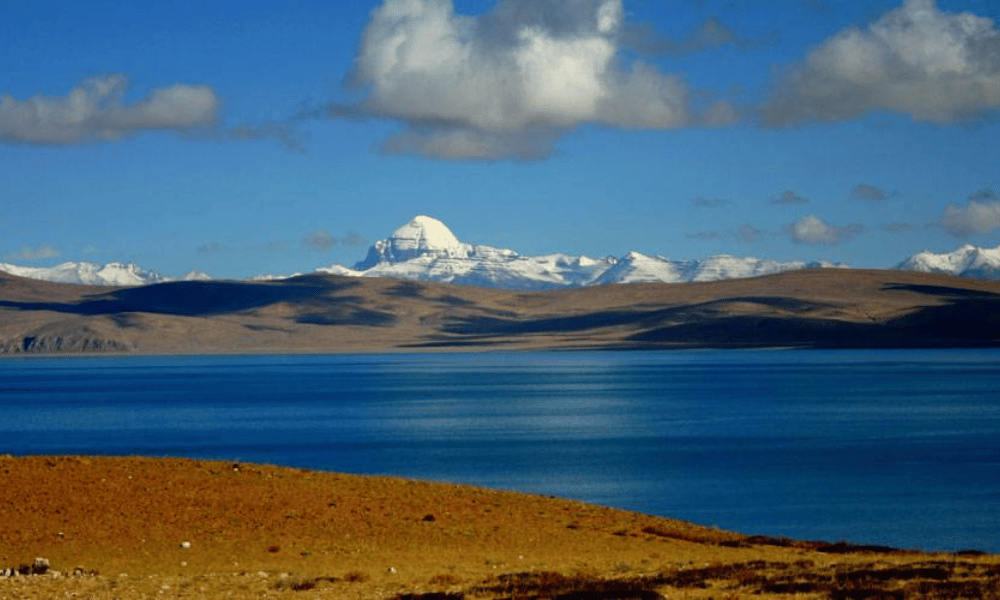
Tourists undertaking the sacred pilgrimage to Kailash Mansarovar via Nepal are facing significant hardships due to an unexpectedly long visa verification process by the Chinese Embassy in Kathmandu. Nepali tour operators report that nearly 3,000 tourists are currently stranded in Kathmandu, with the visa process taking over 10 days, a drastic increase from the previous three-day timeline. Even after this extended wait, visa approval is not guaranteed, leaving both travelers and operators in uncertainty.
According to Ramesh Ojha, Managing Director of Ojha Holiday Tours and Treks Pvt. Ltd., the new policy for visa verification has severely disrupted the tourism business during the peak season. “Tourists are forced to wait in hotels, unsure if they’ll get their visa approved in time for their pilgrimage,” Ojha said. This delay has not only added emotional stress for the pilgrims but also imposed financial burdens on tour operators who are now managing extended hotel stays, transportation changes, and revised itineraries.
Floods in Rasuwa Compound Problems
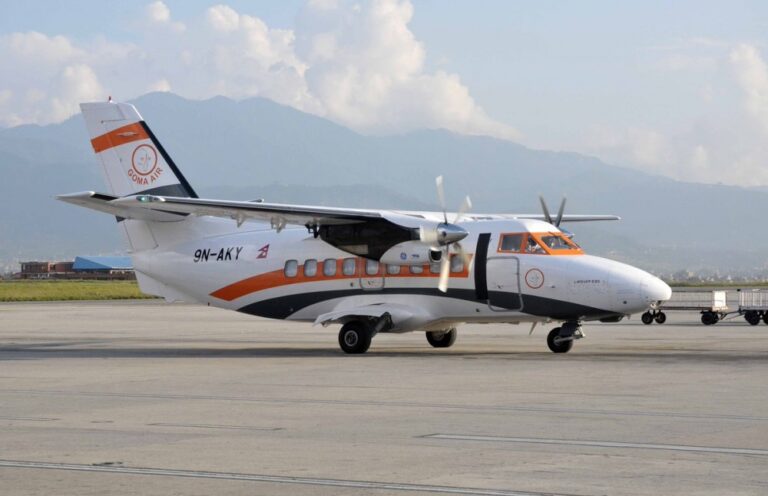
To make matters worse, the recent flooding in Rasuwa district has blocked the traditional Kerung route via Rasuwagadhi, forcing a change in the usual travel itinerary. Most Indian tourists, who typically use this overland route, now face added travel complexities. As a result, operators have had to shift some groups to the Nepalgunj-Simikot-Hilsa route or arrange air transport via Kathmandu and Lhasa, options that are costlier and logistically challenging.
High-spending tourists, particularly Non-Resident Indians (NRIs) living in the US, UK, Canada, and Australia, often choose to fly via Simikot or Kathmandu, bypassing the land route entirely. However, even they are now stuck in Kathmandu waiting for their travel documents to be cleared.
Tour Operators Struggle to Sustain Business
Multiple tour operators such as Ojha Holidays, Richa Travels and Tours, Eco Trek, Heritage Tours and Travel, Sunny Travel, and Trekkers’ Society are among those impacted the most. Surya Pathak, Managing Director of Soham Journeys Pvt. Ltd., expressed deep frustration, saying, “We are the worst hit due to the delay in visa verification. The cost of hosting tourists for additional days is more than what we earn from the entire tour package.”
Pathak explained that before the pandemic, his company used to send up to 3,000 pilgrims per season, with that number hitting 4,000 in 2019. This year, however, he expects to barely cross 1,000 tourists, marking a dramatic drop in business volume. The economic loss for many agencies is not limited to profits but extends to potential long-term damage to their credibility and customer satisfaction.
Indian Tourists Voice Concerns
The prolonged delays have also frustrated tourists. Namaraj Joshi, owner of Leisure Port based in Mumbai, India, is in Kathmandu with a group of 39 pilgrims. “It’s been more than a week, and we still don’t have confirmation. This wait is expensive and mentally exhausting for our group,” he stated.
Joshi’s experience reflects the predicament of many Indian travelers who had meticulously planned their pilgrimage but are now uncertain about their journey.
Issue Raised in Nepal’s Parliament
The visa delays have caught national attention. On July 6, the matter was raised in the House of Representatives’ International Relations and Tourism Committee, where members expressed concern about the disruption to Nepal’s reputation as a reliable transit hub for the Kailash Yatra.
In response, Minister for Culture, Tourism and Civil Aviation, Badri Prasad Pandey, assured that the government would coordinate with the Chinese Embassy via the Ministry of Foreign Affairs to expedite visa processing for pilgrims going through Nepal.
Visa Process and Logistical Complications
Unlike in Lhasa, where foreign tourists can get visa clearance within three days of submitting their passports, the Chinese Embassy in Kathmandu requires the applicants to appear in person before beginning the verification, causing a bottleneck. This additional requirement not only delays the process but adds administrative hurdles for tourists, especially the elderly and those on tight schedules.
Tour operators estimate that 20% of all Mansarovar-bound pilgrims choose to travel via Nepal. With the peak pilgrimage season lasting from May to September, the current situation has placed immense pressure on infrastructure, personnel, and tour logistics.
Economic and Cultural Impact
The Association of Kailash Tour Operators, an umbrella body representing 30 agencies, says that nearly 25,000 tourists visit Mansarovar via Nepal annually. The Nepalgunj-Simikot-Hilsa route remains a preferred path due to its proximity, but this too is vulnerable to seasonal weather disruptions and logistical limitations.
For Indian citizens, the cost of the Kailash pilgrimage via Nepal ranges from INR 250,000 to 300,000, while NRIs often spend up to INR 1 million per person. The longer wait times and changing routes have led to cancellations, rescheduling, and refund requests, putting additional financial strain on the tourism sector.
Way Forward
Tourism entrepreneurs are calling for urgent diplomatic engagement between Nepal and China to resolve visa delays and ensure that Nepal maintains its position as a gateway for spiritual tourism. If the situation is not resolved quickly, tour operators fear a sharp decline in pilgrimage-related tourism, which will affect not only businesses but also Nepal’s international image as a pilgrimage facilitator.
As the spiritual journey to Kailash Mansarovar remains a dream for thousands, it is critical that stakeholders work together to simplify travel processes and restore confidence in Nepal’s travel infrastructure.