Tripadvisor has announced the winners of its 2026 Travellers’ Choice Awards: Best of the Best Hotels, unveiling a global ranking of the world’s most highly regarded properties based on millions of traveller reviews submitted throughout 2025. Unlike many industry accolades that rely on expert panels or paid submissions, the Tripadvisor ranking is compiled exclusively from verified guest feedback, with hotels evaluated on both the quality and volume of reviews received. The result is a list that reflects genuine, lived guest experience rather than marketing positioning or brand reputation alone.

An Exceptionally Exclusive Distinction on Tripadvisor
What sets the “Best of the Best” recognition apart is its sheer selectivity on Tripadvisor. Tripadvisor has confirmed that fewer than 1% of its total hotel listings worldwide qualify for this top-tier distinction, making it one of the most rigorous and exclusive annual benchmarks in the global hospitality industry. With millions of properties listed on the platform across virtually every country, earning a place among this elite group represents a remarkable achievement for any hotel, regardless of size, location, or brand affiliation.

Indonesia Claims the Top Spot
For 2026, the title of the world’s best hotel went to G.H. Universal Hotel in Bandung, Indonesia. The property was recognised specifically for its distinctive architecture, immersive guest experience, and comprehensive full-service hospitality offering, qualities that resonated strongly with travellers who left reviews throughout the year. The win places Bandung, a city historically more associated with Indonesia’s colonial-era heritage and as a regional gateway to West Java, firmly on the map as a destination capable of delivering world-class hospitality experiences.
A Truly Global Top Ten
The strength of this year’s ranking lies in its geographic diversity. The global top 10 spans Indonesia, Brazil, Italy, the United Kingdom, the United States, Vietnam, Aruba, Türkiye, and India, illustrating that exceptional hospitality is no longer concentrated in a handful of traditional luxury capitals. Properties from emerging and non-traditional hospitality markets are increasingly competing on equal footing with established global destinations.
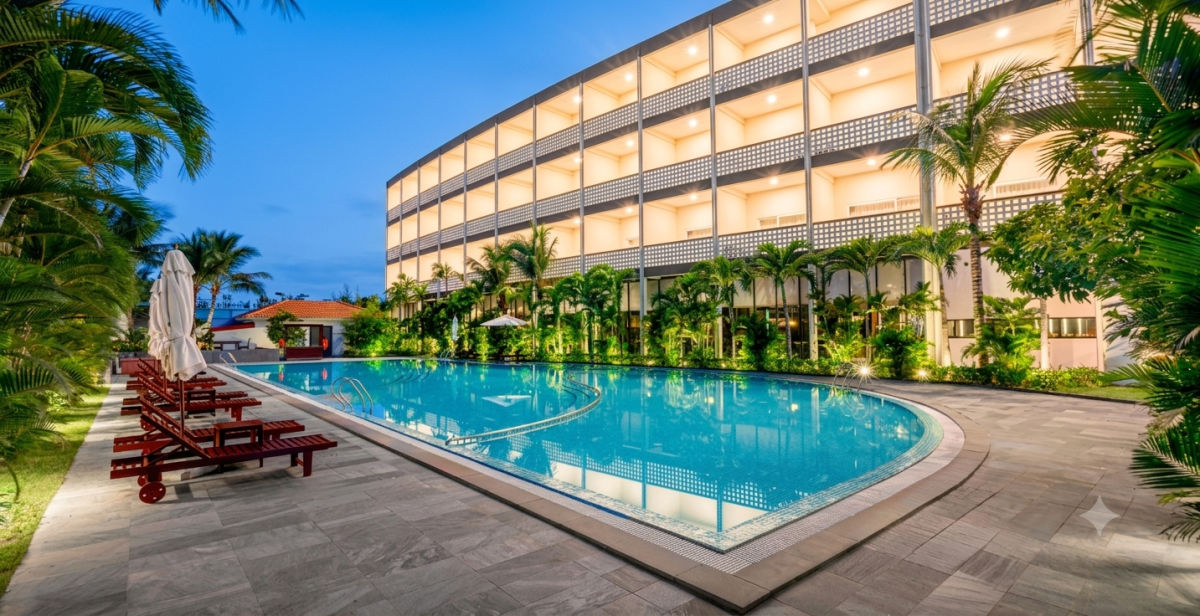
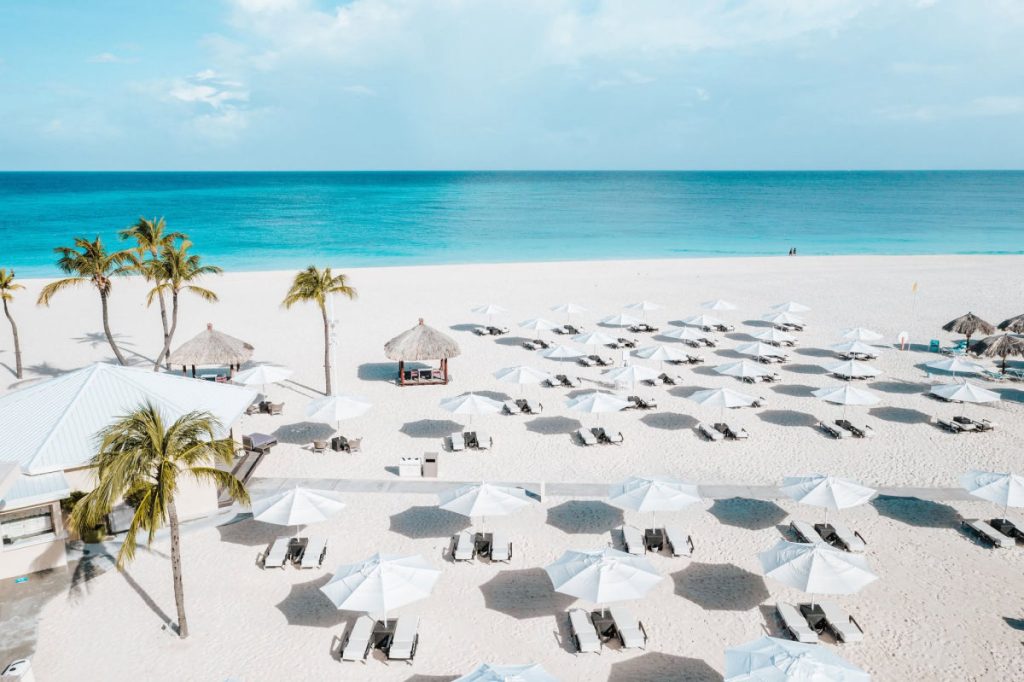
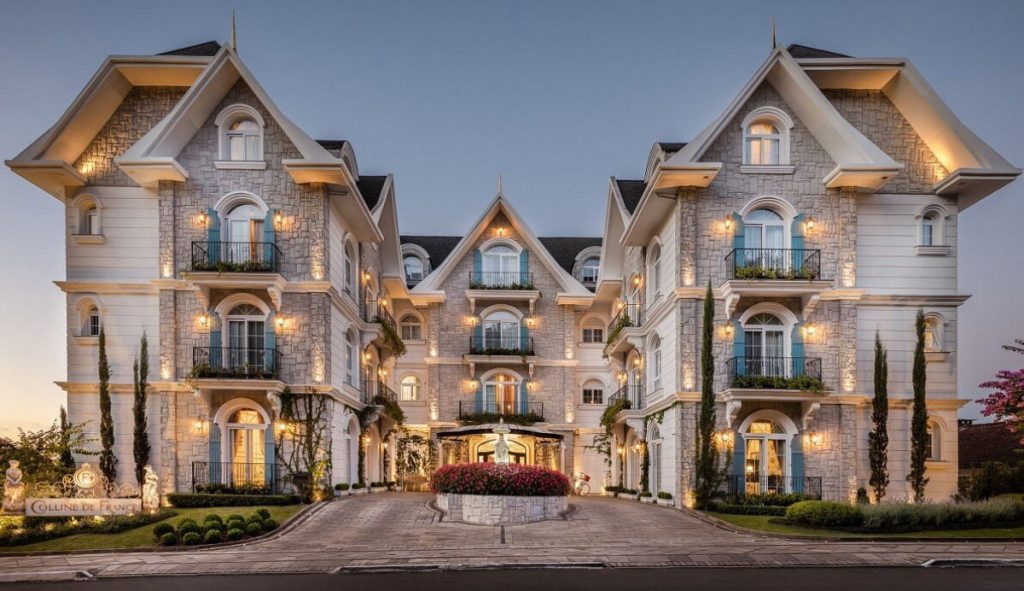
The complete top 10 list for 2026 reads as follows: G.H. Universal Hotel in Bandung, Indonesia, takes the top position, followed by Hotel Colline de France in Gramado, Brazil. Hotel Sporting Family Hospitality in Livigno, Italy, ranks third, with Royal Lancaster London in the United Kingdom in fourth place. FivePine Lodge and Spa in Sisters, Oregon, United States, rounds out the top five. The list continues with La Siesta Hoi An Resort & Spa in Hoi An, Vietnam, Bucuti & Tara Beach Resort in Aruba, Romance Istanbul Hotel in Türkiye, Gokulam Grand Turtle on the Beach in Kovalam, India, and Grandvrio Ocean Resort Danang in Da Nang, Vietnam, completing the top ten.
Vietnam’s Strong Showing
Notably, Vietnam secured two places within the global top 10, La Siesta Hoi An Resort & Spa and Grandvrio Ocean Resort Danang, underscoring the country’s rapidly strengthening reputation as a premier hospitality destination in Southeast Asia. This dual representation reflects Vietnam’s sustained investment in tourism infrastructure and its growing appeal among international travellers seeking both cultural immersion and beachfront luxury.
A Shift Toward Experience Over Standardisation
Beyond the rankings themselves, the 2026 list offers a revealing snapshot of broader trends shaping the global hospitality industry. The winning properties represent a deliberate mix of luxury resorts, boutique hotels, and experience-driven stays, rather than a uniform category of large-scale chain hotels. This diversity points to a clear and accelerating shift in traveller priorities: guests are increasingly drawn to personalised, distinctive accommodation experiences that offer a strong sense of place, rather than standardised hotel formats that could exist interchangeably in any city worldwide.
Industry observers tracking the results note that this trend carries significant competitive implications. Smaller, independently operated properties are now demonstrating that they can compete directly with, and in many cases outperform, large international hotel brands, provided they deliver consistently strong guest satisfaction and offer a travel experience that feels genuinely differentiated. In an era where travellers have access to detailed, peer-generated reviews before booking, authentic guest satisfaction has become a more powerful competitive lever than brand recognition alone.
What This Means for the Industry
For hospitality operators worldwide, the 2026 Best of the Best list serves as both validation and a roadmap. It confirms that meaningful investment in architecture, service quality, and guest experience design can elevate a property to global recognition regardless of its geographic location or chain affiliation. At the same time, it signals to the broader industry that traveller expectations are evolving, increasingly favouring depth of experience, authenticity, and personalised service over scale and standardisation.

As global tourism continues its steady recovery and diversification across new and emerging destinations, rankings like Tripadvisor’s Best of the Best are likely to play an increasingly influential role in shaping where travellers choose to stay, and in pushing hospitality brands, large and small, to compete more directly on the quality of guest experience itself.