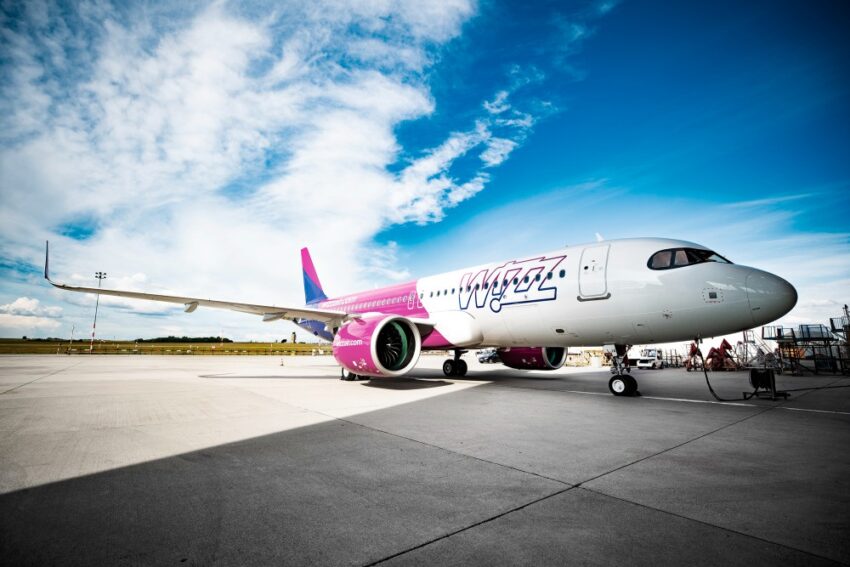
Wizz Air Albania is set to significantly enhance Tirana International Airport’s connectivity with the launch of two new routes for the Summer 2026 season. This strategic expansion into Southern and Western Europe underscores the airline’s commitment to making Albania a pivotal travel hub and is poised to reshape regional tourism flows by linking the Balkans directly with sought-after coastal and cultural destinations.
New Routes to Kalamata and Santander: Enhancing Balkan Accessibility
Beginning in Summer 2026, Wizz Air will inaugurate direct flights from Tirana to Kalamata, Greece, and Santander, Spain. The Kalamata service, launching on 31 March 2026, will operate twice weekly on Tuesdays and Saturdays. This route marks Wizz Air’s debut at Kalamata Airport, opening up the scenic Peloponnese region to Albanian travelers and visitors using Tirana as a gateway.

Simultaneously, the Tirana-Santander route will commence on 29 March 2026, with flights scheduled on Thursdays and Sundays. This new connection establishes a direct air link between Albania and the culturally rich Cantabria region in northern Spain, providing a convenient and affordable travel option previously unavailable.
Affordable Travel Unlocks New Destinations
True to its low-cost model, Wizz Air has announced compelling launch fares, with tickets to Kalamata starting from ALL 2,490 and to Santander from ALL 2,990. These routes are now available for booking via the airline’s website and app, allowing travelers to plan and secure their Summer 2026 journeys well in advance. This affordability is expected to stimulate travel demand, making European cultural and leisure destinations more accessible to a broader passenger base.
Kalamata: A Gateway to the Peloponnese
The new route to Kalamata taps into Greece’s enduring appeal while promoting a specific region. Kalamata is renowned not only for its namesake olives and picturesque coastline but also as a strategic base for exploring ancient sites like Messene and the rugged Mani Peninsula. By adding this destination, Wizz Air is diversifying its Greek network beyond major hubs, catering to tourists seeking authentic cultural experiences, gastronomy, and seaside relaxation, thereby supporting regional tourism within Greece.
Santander: Connecting to Northern Spain’s Charm
The introduction of the Santander route addresses a gap in the market, connecting the Balkans directly to a less-trodden part of Spain. Santander, the elegant capital of Cantabria, offers a blend of urban sophistication, stunning Atlantic beaches, and access to the lush landscapes of Green Spain. This service provides Albanian travelers with a straightforward gateway to northern Spain’s unique offerings and is likely to attract inbound tourism from Spain to Albania, fostering a two-way travel corridor.
Strategic Impact: Strengthening Albania’s Tourism Profile
This expansion is a clear component of Wizz Air’s broader strategy to solidify Tirana as a key operational base and enhance Albania’s connectivity within Europe. By adding these points in Greece and Spain, the airline is responding to growing passenger demand for direct, budget-friendly links to diverse European destinations.
The long-term implications are significant. Enhanced air connectivity is a powerful catalyst for tourism development, economic exchange, and cultural ties. These routes are expected to increase tourist arrivals in both Kalamata and Santander from the Balkan region while simultaneously making Albania more accessible as a destination for Spanish and Greek travelers. This symbiotic growth strengthens Albania’s position in the European tourism ecosystem and promotes greater regional integration.

A New Chapter in Regional Travel
The launch of the Kalamata and Santander routes represents more than just schedule additions; it signifies a new chapter in regional connectivity for Albania. Wizz Air’s continued investment from its Tirana base is directly contributing to the country’s rising profile as an emerging travel market and a convenient gateway to Southeastern Europe.
As Summer 2026 approaches, these new links promise to unlock fresh opportunities for travelers, tourism boards, and local businesses alike, driving economic benefits and fostering deeper cultural connections across the continent. Wizz Air’s expansion is a testament to the dynamic evolution of Europe’s aviation landscape, where low-cost carriers are increasingly linking secondary cities and regions, making the continent’s rich diversity more discoverable than ever.