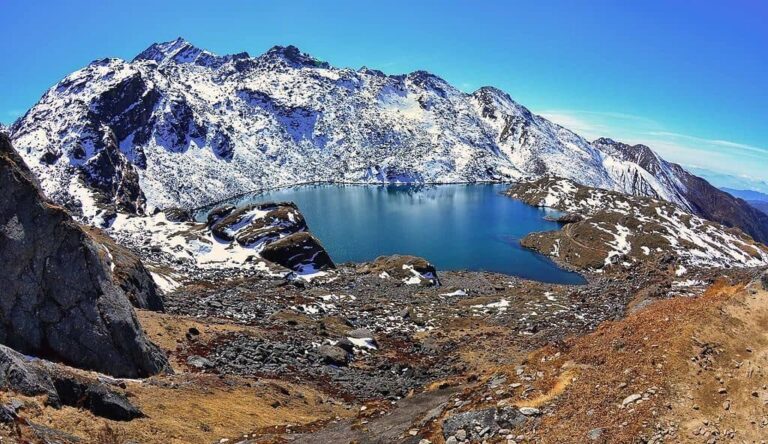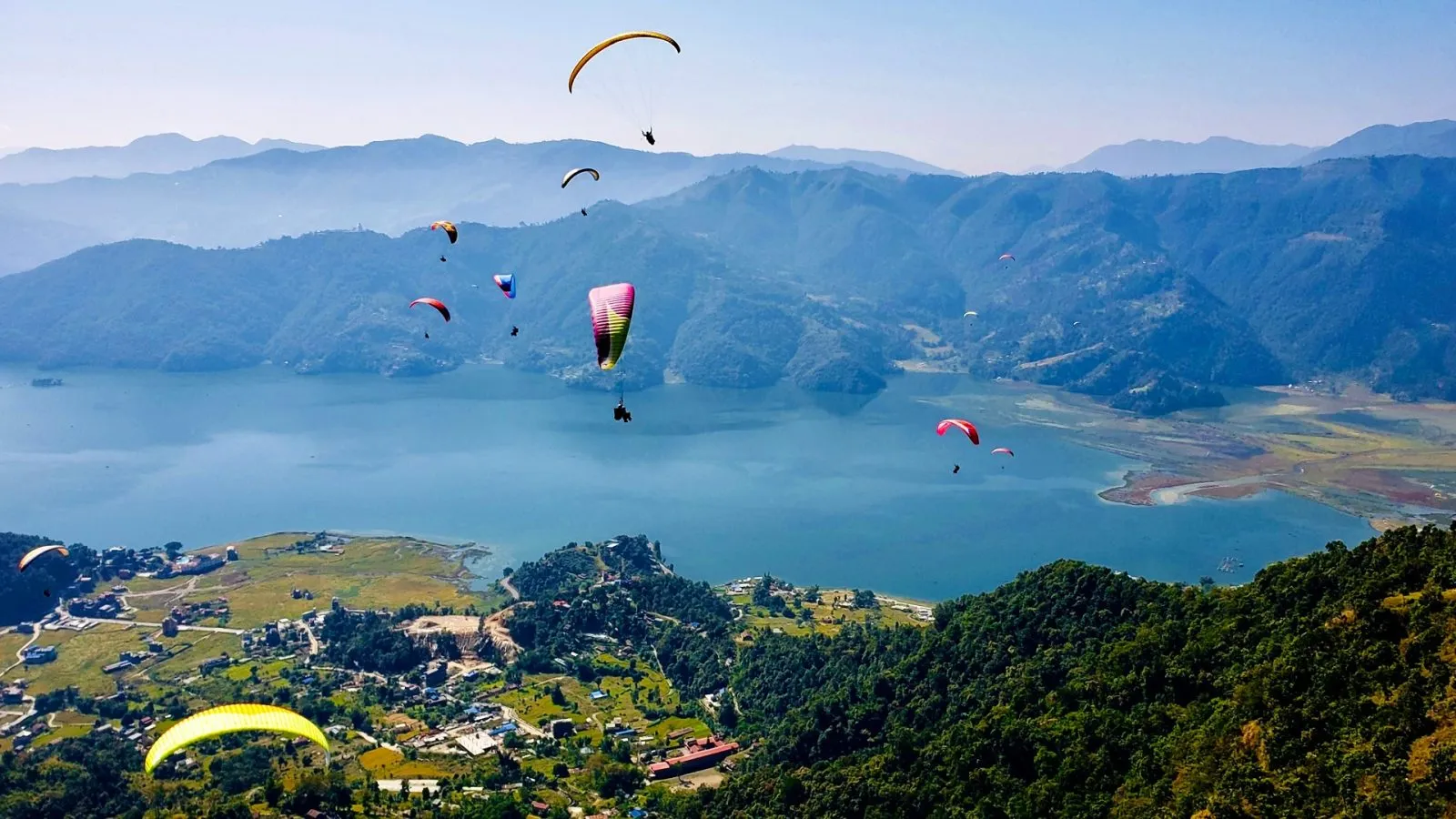
Tourism plays a pivotal role in Nepal’s economy, contributing significantly to the country’s GDP and providing employment to thousands of people. Renowned for its breathtaking landscapes, cultural heritage, and adventure opportunities, Nepal has become a prime destination for global travelers. However, the potential for growth in Nepal’s tourism sector remains immense, and a key aspect of unlocking this potential lies in developing robust tourism infrastructure. Recent initiatives and long-term plans highlight Nepal’s commitment to advancing this sector, but challenges persist that require strategic planning and sustained effort.
Current Status of Tourism Infrastructure
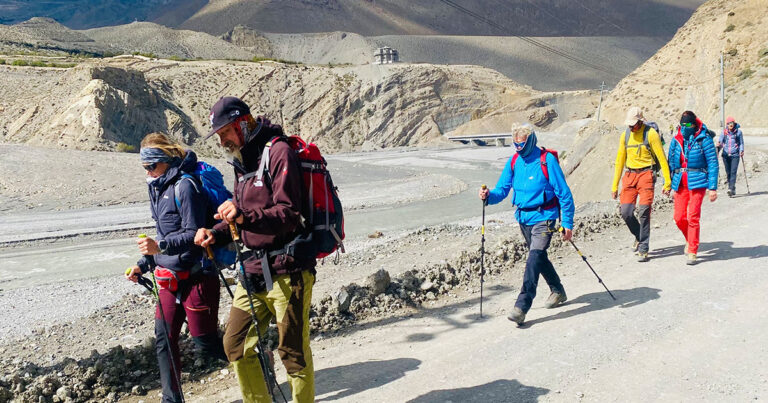
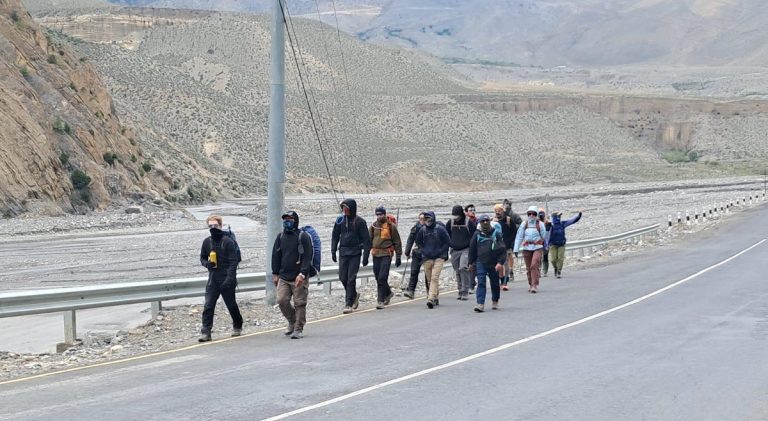
Nepal’s tourism infrastructure encompasses a range of facilities, including transportation, accommodations, cultural preservation, and tourism services. While cities like Kathmandu, Pokhara, and Chitwan have seen significant improvements in hotel accommodations, road networks, and airport facilities, many remote regions still lack essential infrastructure to support tourism. Iconic trekking destinations such as the Everest Base Camp and Annapurna Circuit attract thousands of visitors each year, but inconsistent road connectivity, limited communication networks, and insufficient medical facilities pose challenges to both tourists and residents.
The country’s primary international gateway, Tribhuvan International Airport (TIA), has faced criticism for its limited capacity and outdated facilities. Although efforts have been made to upgrade TIA and expand domestic airports in regions like Pokhara, Lumbini, and Bhairahawa, the demand for modern and efficient infrastructure continues to outpace progress.
Government Initiatives and Policies
Recognizing the importance of tourism infrastructure, the Government of Nepal has launched various initiatives to address existing gaps. Programs like “Visit Nepal 2020” (which was unfortunately disrupted by the COVID-19 pandemic) and subsequent campaigns have emphasized the need to improve road connectivity, enhance airport facilities, and promote digitalization in the tourism sector. The construction of Gautam Buddha International Airport in Lumbini and Pokhara International Airport are examples of Nepal’s commitment to modernizing its aviation infrastructure.
Additionally, the government has collaborated with international organizations to develop eco-friendly and sustainable tourism models. Efforts to preserve UNESCO World Heritage Sites, such as the Kathmandu Valley’s Durbar Squares, Pashupatinath Temple, and Lumbini, have been instrumental in attracting cultural tourists. Moreover, the promotion of community-based tourism in rural areas has provided economic benefits to local communities while preserving cultural traditions.
Key Areas for Development
Transportation Infrastructure:
Nepal’s mountainous terrain presents unique challenges for transportation infrastructure. While road connectivity has improved in many areas, several remote destinations remain difficult to access. Expanding road networks, developing efficient public transportation systems, and improving air connectivity to remote regions are critical for fostering tourism growth.
Accommodations and Hospitality:
The hospitality sector has witnessed growth in urban areas, with the establishment of luxury hotels and boutique resorts. However, affordable and quality accommodations in rural and trekking regions are still lacking. Encouraging investments in eco-lodges, homestays, and mid-range hotels can enhance the visitor experience.
Digital Infrastructure:
In the digital age, robust internet connectivity and digital services are essential for modern tourism. Expanding high-speed internet coverage to rural and trekking regions, developing online booking platforms, and leveraging digital marketing can significantly boost Nepal’s tourism appeal.
Sustainable Tourism Practices:
Environmental conservation is a critical aspect of tourism infrastructure development. Building eco-friendly facilities, promoting waste management systems, and encouraging sustainable trekking practices can help protect Nepal’s natural and cultural heritage.
Medical and Safety Facilities:
Ensuring the safety and well-being of tourists is paramount. Establishing well-equipped medical centers and emergency evacuation systems in trekking regions and adventure tourism hubs can enhance Nepal’s reputation as a safe destination.
Challenges in Tourism Infrastructure Development
Despite various initiatives, Nepal faces several challenges in developing its tourism infrastructure. Political instability, limited financial resources, and bureaucratic hurdles often delay large-scale projects. Additionally, the rugged terrain and risk of natural disasters, such as earthquakes and landslides, complicate infrastructure development efforts.
Moreover, the lack of skilled manpower in the construction and hospitality sectors affects the quality of services provided to tourists. Addressing these challenges requires a coordinated approach involving government bodies, private sector stakeholders, and international organizations.
The Role of the Private Sector and International Partnerships
The private sector has emerged as a key player in Nepal’s tourism infrastructure development. Investments in hotels, transportation, and adventure tourism services have significantly improved the quality of offerings. Public-private partnerships (PPPs) can further accelerate progress by pooling resources and expertise.
International partnerships have also played a vital role in Nepal’s tourism development. Organizations such as the World Bank, Asian Development Bank, and United Nations Development Programme (UNDP) have provided funding and technical support for infrastructure projects. Collaboration with neighboring countries, particularly India and China, can further enhance cross-border tourism opportunities.
Tourism infrastructure development is vital for unlocking Nepal’s full potential as a global travel destination. By addressing gaps in transportation, accommodations, and digital connectivity, while promoting sustainable and community-based tourism practices, Nepal can achieve long-term growth in this sector. Collaborative efforts between the government, private sector, and international organizations will be instrumental in overcoming challenges and ensuring that Nepal’s tourism infrastructure aligns with global standards.
With its unique combination of natural beauty, cultural richness, and adventure opportunities, Nepal is poised to thrive as a premier tourist destination. Strategic investments in infrastructure and sustainable practices will not only enhance the visitor experience but also contribute to the overall economic and social development of the nation.