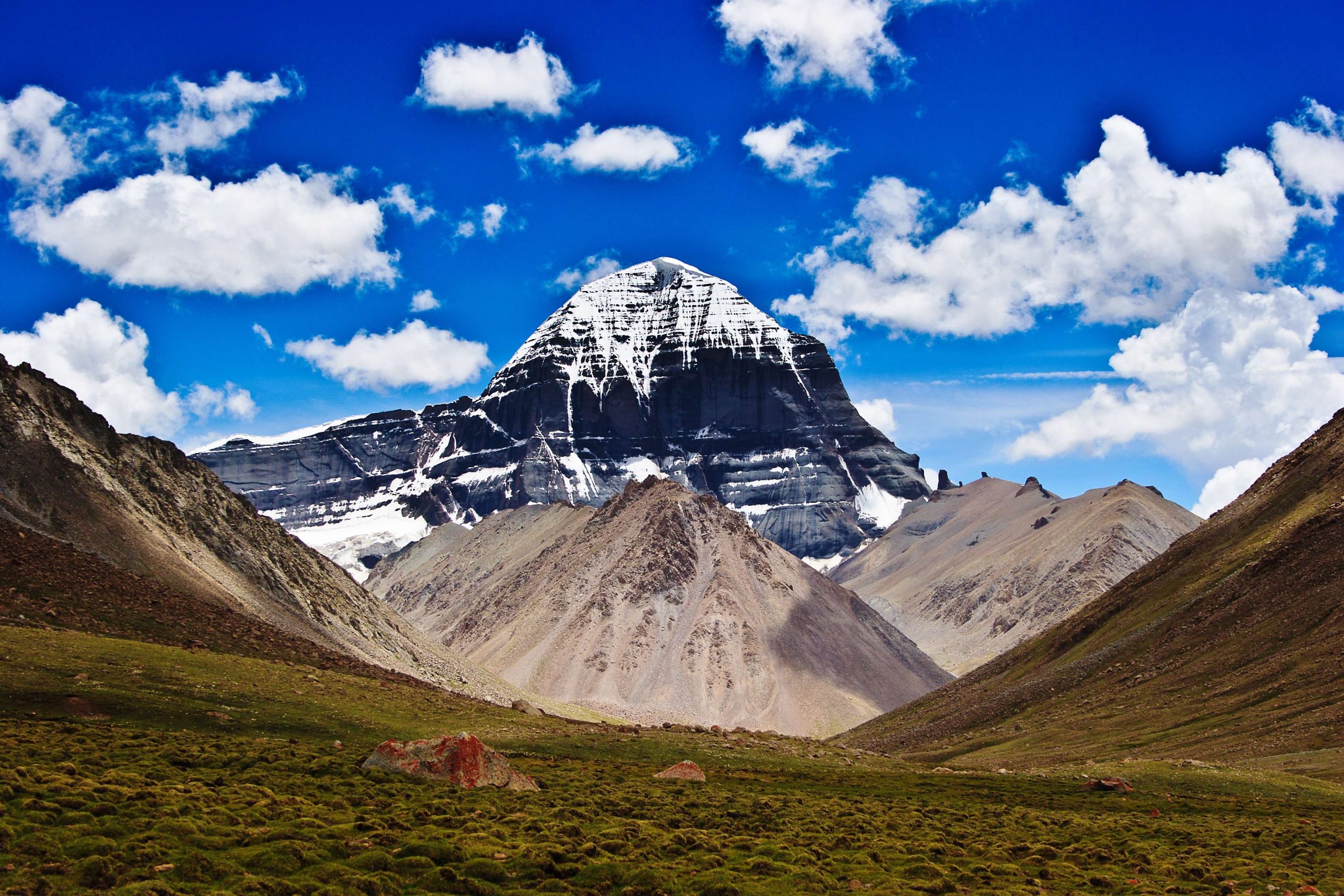
The first group of pilgrims returning from the sacred Kailash Mansarovar Yatra has safely entered Nepal through the Tatopani (Kodari) border point after their original return route via the Rasuwagadhi-Timure crossing was disrupted. Heavy floods caused by continuous rainfall in the Chinese region on Monday night washed away the Friendship Bridge (Miteri Pul), halting all movement through the Rasuwagadhi international border.
The group, organized by the Nepal Association of Tour and Travel Agents (NATTA), was initially scheduled to return through the Timure border on Wednesday after an overnight stay at the Kerung market in China. However, due to the collapse of the key bridge connecting Nepal and China at Rasuwagadhi, their plans were rerouted with assistance from Chinese authorities and Nepal’s Consulate General in Lhasa.
Chinese Authorities Facilitate Emergency Return via Tatopani
According to team leader Achyut Sigdel, the Chinese travel agency coordinating with the association made alternative arrangements to guide the group toward Tatopani, also known as the Kodari border, after receiving directives from the Lhasa-based Nepali Consulate.
“In coordination with the Chinese government and our consulate in Lhasa, our Chinese travel agency helped redirect the route and facilitated our safe arrival at the Tatopani border. We are the first batch of Kailash Yatra pilgrims to return to Nepal via this alternative route after the disaster,” Sigdel told.
Bridge Collapse Triggers Emergency Response
On Monday night, continuous torrential rains in the upper Chinese region caused the Bhotekoshi River to swell, resulting in severe damage at the Rasuwagadhi-Timure checkpoint. The flooding not only swept away the Miteri Bridge but also caused massive destruction in the surrounding area, blocking a crucial cross-border transit route between Nepal and China.
This prompted an emergency response from the Lhasa-based Nepali Consulate General, which intervened to ensure that approximately 300 stranded pilgrims, including Nepalese and Indian citizens, could return safely via an alternate route.
Coordination Between Governments Enabled Swift Evacuation
Laxmi Niraula, Nepal’s Consul General in Lhasa, confirmed that the Chinese side agreed to Nepal’s request to repatriate the stranded citizens through the Tatopani border. “About 50 Nepalis, 22 Indians, and nearly 200 others who had completed their Kailash Mansarovar Yatra were allowed to return via Tatopani,” Niraula said.
He added that the Chinese government’s cooperation came after diplomatic appeals by the Consulate, highlighting the humanitarian urgency to repatriate the stranded individuals amid damaged infrastructure and blocked routes.
Strict Route Policy in Tibet Required Special Approval
In Tibet (Xizang Autonomous Region), travel agencies and tourists are not allowed to change their approved route or itinerary without prior government authorization. This added complexity to the rescue efforts, as official permission had to be secured to divert the return path away from the Rasuwagadhi checkpoint to the Kodari route.
Thanks to successful diplomatic communication and bilateral understanding, this exceptional route change was authorized, allowing pilgrims to make their way home.
Delegation Included Key Tourism Promoters and Stakeholders
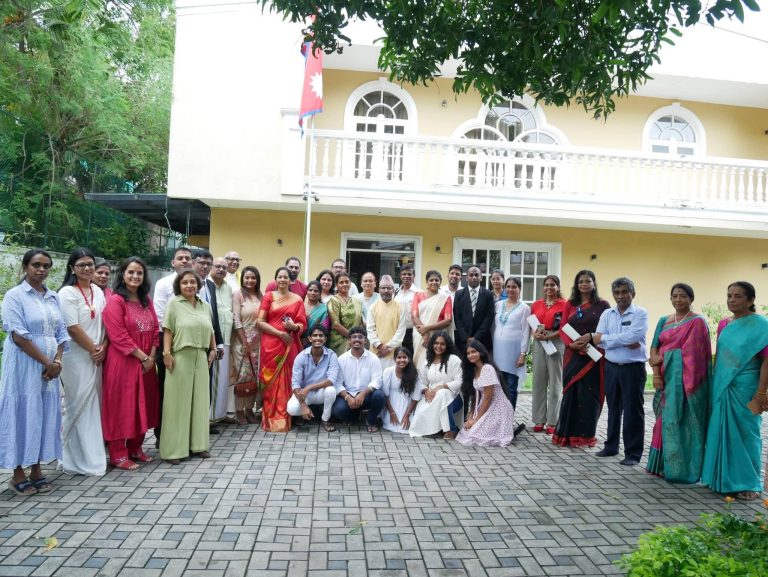
The first group to return through the Tatopani border consisted of several key members from Nepal’s tourism industry. In addition to NATTA President Achyut Sigdel, the delegation included Vice President Bhagwat Singhkhada, Treasurer Raju Thapaliya, and members Basudev Pandey, Rajkaji Maharjan, Rajan Khanal, Charan Sharma, Rameshwor Prasad Dhakal, Upendra Pathak, Bheshram Gautam, Hari Karki, and Rameshwar Maharjan.
The group’s journey wasn’t just religious, it also served as an opportunity to promote Nepal’s tourism and handicraft industries in Tibet and other Chinese regions.
Promoting Nepal in Tibet Along the Journey
Although the visit was primarily intended for pilgrimage and cultural exploration, the delegation also worked to promote Nepal’s tourism industry. According to President Sigdel, several meetings and workshops were organized in Lhasa and other locations with local Chinese entrepreneurs and stakeholders.
“Alongside our spiritual journey to Kailash and Mansarovar, we also focused on promoting Nepal’s travel offerings and traditional crafts in China. We held discussions with local business owners and conducted tourism promotion activities,” said Sigdel.
More Pilgrims Await Return Amid Infrastructure Crisis
With hundreds of other pilgrims still in Tibet, arrangements are being made for their safe return through alternative routes. Authorities on both sides are closely monitoring the situation and coordinating further evacuations while assessing the damage caused by the flooding at Rasuwagadhi.
The Nepal-China Friendship Bridge, which serves as a vital trade and tourism link between the two countries, is now inoperable until repairs are made. This poses significant challenges not only for returning pilgrims but also for cross-border commerce and tourism movement.
A Call for Infrastructure Resilience
The safe return of the first Kailash Mansarovar pilgrim group through the Tatopani border demonstrates the importance of bilateral coordination and disaster preparedness. It also highlights the urgent need for more resilient infrastructure and multiple functioning transit routes between Nepal and China to prevent similar disruptions in the future.
As monsoon-related disasters continue to challenge Nepal’s tourism logistics, stakeholders are urging the government to prioritize infrastructure upgrades, emergency response systems, and diplomatic protocols to ensure the safety and mobility of international pilgrims and tourists alike.