With the arrival and intensification of monsoon winds, Nepal is currently experiencing significant changes in its weather patterns. The Department of Hydrology and Meteorology has confirmed that the country is now under the active influence of monsoon currents, amplified by a low-pressure area centered near Uttar Pradesh, India. As a result, multiple regions in Nepal are facing increasing risks of heavy rainfall, thunder and lightning, gusty winds, and even snowfall in high-altitude areas, prompting authorities to issue alerts and urge caution across various sectors.
Monsoon System Close to Normal Position
The Department of Hydrology and Meteorology reported that the low-pressure monsoon trough is currently aligned near its average position, spreading moisture-laden air across the country. This alignment is crucial in determining the intensity and distribution of rainfall. Due to this, weather conditions across the nation are predominantly cloudy, with intermittent rainfall patterns already affecting both hilly and lowland areas.
The monsoon’s steady position has contributed to widespread cloud cover across Nepal, with active weather systems particularly affecting Bagmati, Gandaki, Lumbini, Karnali, and Sudurpashchim provinces. Residents in these regions can expect periodic bouts of light to moderate rainfall, with occasional thunderstorms and lightning strikes becoming more frequent, especially in the afternoons and evenings.
Heavy Rainfall Expected in Isolated Areas
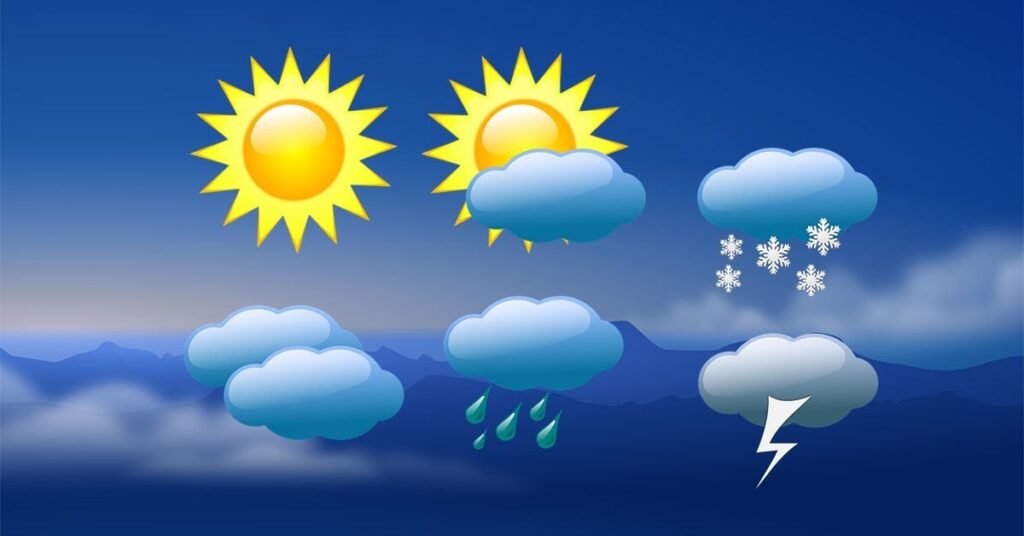
While most areas are expected to receive moderate precipitation, the department has warned of potential heavy rainfall in one or two isolated spots within Bagmati, Gandaki, Lumbini, Karnali, and Sudurpashchim provinces. These downpours, although localized, could bring significant challenges, particularly in regions with fragile topography or ongoing infrastructure projects.
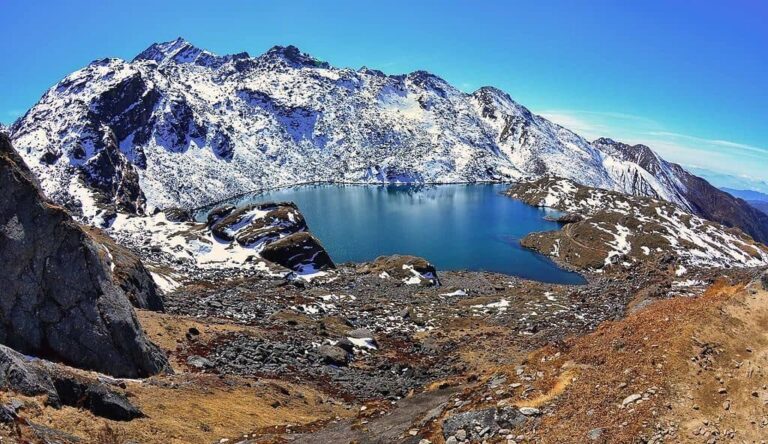
In the mountainous and high hill regions, the moisture influx may lead to light to moderate snowfall at higher elevations. Such snowfall, though less common during the monsoon period, is a possibility when atmospheric temperatures drop significantly during rainy episodes in elevated terrain.
Gusty Winds in Terai and Weather-Related Hazards
Adding to the adverse weather, gusty winds are predicted in several parts of the Terai, especially within Lumbini and Sudurpashchim provinces. These winds, if severe, could damage crops, temporary structures, and increase the risk of falling trees and power outages. Local authorities have been advised to remain vigilant and monitor areas where infrastructure may be susceptible to wind-related damage.
Meanwhile, the department has flagged heightened risks of flash floods, river overflows, and landslides across many regions, particularly in hill slopes, river basins, and rapidly urbanizing areas with poor drainage. Areas with ongoing construction and those historically prone to landslides are of particular concern.
Rivers and Rivulets on the Rise
The department further warned that water levels in both large and small rivers and tributaries may rise significantly due to sustained rainfall in upstream areas. This includes major river systems such as the Narayani, Koshi, Karnali, and their branches, which often swell during intense monsoon periods. Residents living along riverbanks, as well as those engaged in river-based occupations, are being asked to remain on high alert.
Urban centers and Terai plains could also face waterlogging and flash flood situations, particularly in municipalities lacking proper drainage systems. Local governments have been asked to deploy disaster response units and maintain coordination with meteorological offices for timely alerts.
Possible Disruptions to Daily Life and Economy
Heavy and persistent rain can potentially disrupt normal life in multiple ways. Transport is expected to be heavily affected, with landslides and waterlogging leading to road blockages and unsafe driving conditions, especially along highways connecting hilly districts. Air traffic may also be disrupted due to poor visibility and stormy conditions near mountain passes and valleys.
In the agriculture sector, standing crops such as paddy and maize are at risk from both excessive rainfall and gusty winds. Prolonged rainfall may lead to root rot, waterlogging, and the spread of fungal diseases, severely impacting productivity in the mid-hills and lowlands. Similarly, newly planted crops could be washed away in flood-prone areas.
Health concerns are also mounting, as stagnant water from heavy rainfall can become a breeding ground for disease-carrying mosquitoes, increasing the risk of outbreaks of waterborne diseases like cholera and dengue in urban areas. Public health authorities are being mobilized to monitor the situation closely and advise the public accordingly.
Tourism Sector Also Braces for Impact
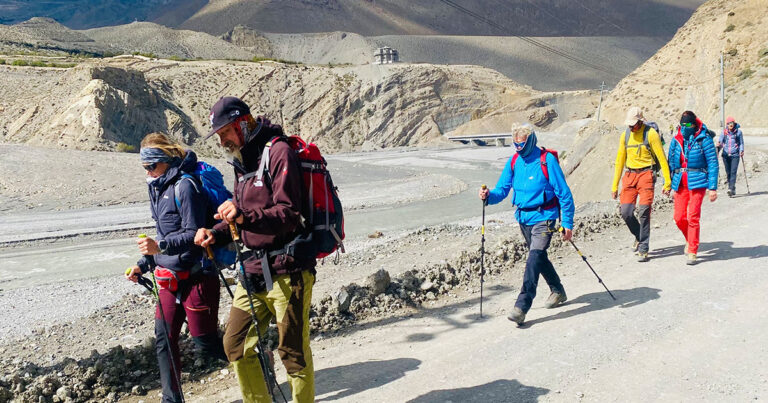
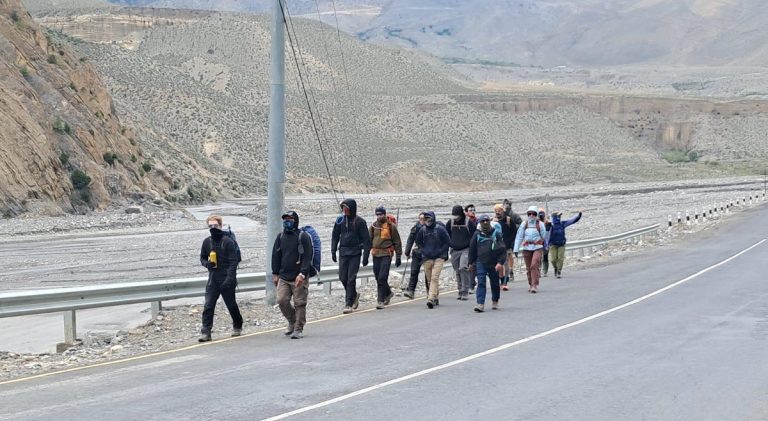
Nepal’s tourism sector, which is gradually recovering from the pandemic, is again bracing for setbacks due to monsoon-related disruptions. Popular trekking routes in the Annapurna, Langtang, and Manaslu regions are at higher risk of landslides and slippery trails, making travel unsafe for domestic and international trekkers. Tourism-related transport and accommodations in the countryside are likely to be affected as well, reducing travel frequency and bookings during what is usually an off-peak season.
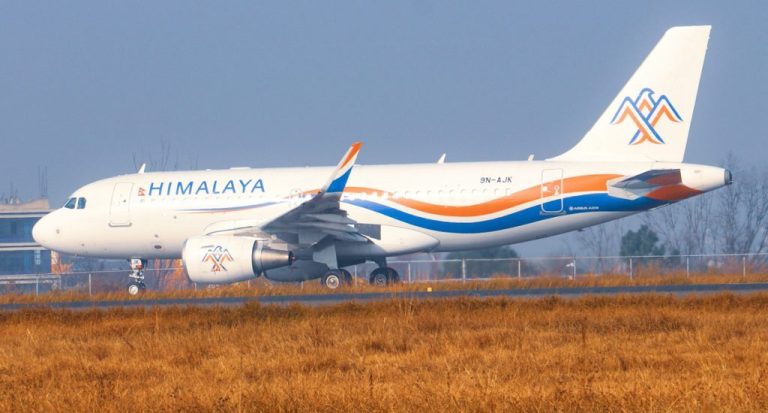
The civil aviation sector has advised passengers to expect possible flight delays and cancellations due to adverse weather. Mountain flights and short takeoff/landing flights in regions like Lukla, Jomsom, and Rara are especially vulnerable to rapid weather changes during this season.

Safety and Preparedness Measures Urged
Given the multifaceted risks associated with the current monsoon conditions, the Department of Hydrology and Meteorology has appealed to the public to remain informed and prepared. People in high-risk zones are urged to follow official updates and heed evacuation notices, if issued. Disaster response teams have been mobilized in some districts, with local governments coordinating with security forces to ensure timely rescue and relief operations.
The department also recommends that farmers take measures to protect their crops, and that travelers postpone non-essential travel to high-risk areas until conditions stabilize. Urban dwellers are encouraged to clear blocked drains and avoid walking or driving through flooded roads.
As Nepal continues to navigate this active monsoon period, the emphasis remains on collective preparedness, timely information dissemination, and community-level vigilance to minimize loss of life and property. The coming days will be crucial in determining how well the country manages the escalating weather threats posed by an intensified monsoon.