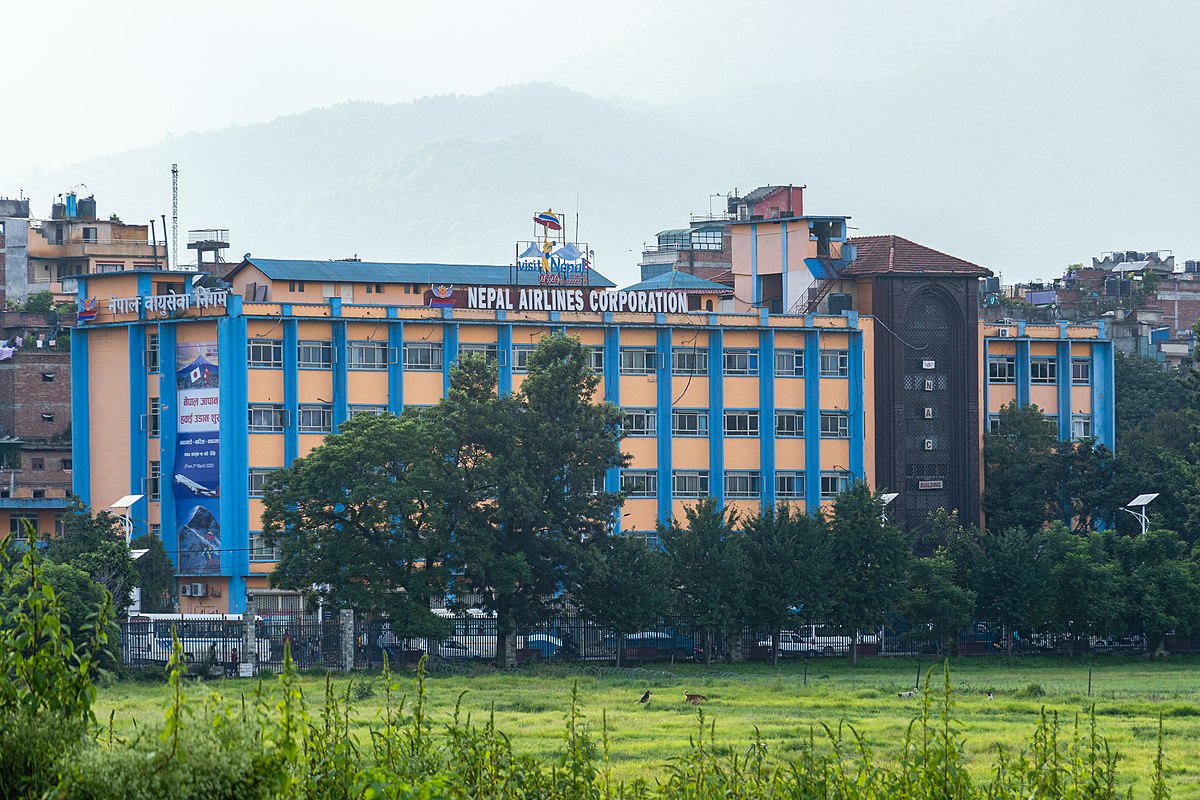
Nepal Airlines Corporation (NAC), the national flag carrier of Nepal, has made a significant repayment of its outstanding loans associated with aircraft purchases. The corporation announced that it has cleared loan installments worth Rs 53 crore 9 lakh 55 thousand by the end of Ashadh 2082, as part of its ongoing efforts to meet its financial obligations.
According to Subash Dangi, spokesperson for Nepal Airlines, the installment payment pertains to loans taken for the procurement of two narrow-body and two wide-body aircraft intended for international operations. These aircraft are a key part of the airline’s modernization strategy, aimed at expanding its long-haul and regional routes.
Payment Made to Provident and Investment Funds
To finance the aircraft acquisition, Nepal Airlines had secured loans from two major financial institutions: the Employees Provident Fund (EPF) and the Citizen Investment Trust (CIT). The loan was structured to be repaid in multiple installments over several years. The recent payment includes the full installment for the narrow-body aircraft and a partial installment for the wide-body aircraft, as confirmed by Dangi.
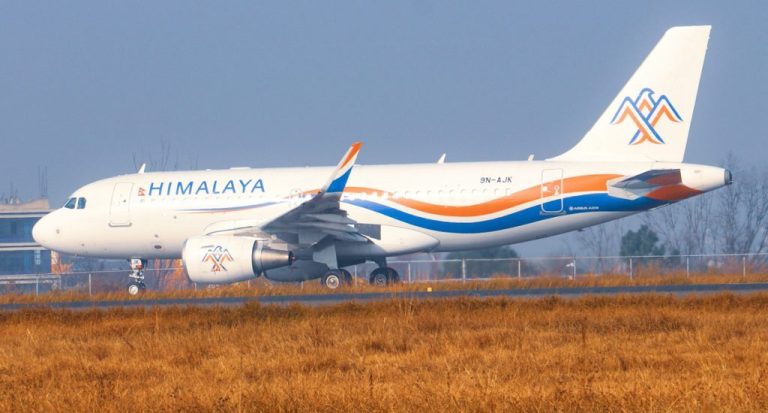
The loan was primarily used to purchase two Airbus A320 narrow-body aircraft and two Airbus A330 wide-body aircraft. These aircraft have been in operation on various international routes including to the Middle East, Southeast Asia, and select long-haul destinations.
Total Repayment Nears Rs 8 Billion
With the latest installment, Nepal Airlines has so far repaid a total of Rs 7.92 billion under the loan category of “Aircraft Procurement Liability” as of the end of Ashadh 2082. This marks a steady and significant repayment effort despite ongoing financial pressures in the aviation sector, which was severely impacted by the COVID-19 pandemic and global economic instability.
NAC officials say that the corporation is committed to fulfilling its financial obligations and gradually improving its debt profile. “We are prioritizing financial discipline and repayment, even as we work on improving flight frequency, expanding destinations, and enhancing service quality,” said a senior official from NAC.
Aircraft Procurement and Operational Burden
Nepal Airlines’ decision to purchase the wide-body and narrow-body aircraft was part of a broader initiative to modernize its aging fleet and position the airline as a competitive player in the South Asian aviation market. However, the procurement process had drawn criticism in the past due to alleged irregularities, overestimation of income projections, and underutilization of the wide-body aircraft.
The two wide-body A330s, introduced in 2018, were expected to open routes to Japan, South Korea, and European destinations. However, lack of adequate preparation, staffing issues, and limited market access due to regulatory hurdles stalled those expansion plans. As a result, the wide-body aircraft were not utilized to their full capacity, leading to lower-than-expected revenue generation.
Despite these challenges, Nepal Airlines has maintained its repayment schedule, a move that observers say reflects a renewed commitment to financial accountability and institutional reform.
Strategic Importance for Tourism and National Connectivity
The financial health of Nepal Airlines is closely tied to the country’s tourism and international connectivity goals. With tourism being a major pillar of Nepal’s economy, the ability of the national carrier to offer reliable and affordable international flights plays a significant role in attracting tourists, business travelers, and the Nepali diaspora.
Stakeholders in the tourism sector have often emphasized that a strong national airline enhances Nepal’s image, facilitates group travel, and supports diplomatic and trade engagements. Nepal Airlines, by maintaining a diverse fleet that includes wide-body jets, is seen as a key enabler for direct long-haul flights, which can help reduce reliance on transit through regional hubs like Doha, Delhi, or Bangkok.
Financial Restructuring and the Road Ahead
Nepal Airlines is currently undergoing financial restructuring, with the government and NAC board exploring avenues to improve profitability and reduce dependency on state support. Measures being considered include better utilization of aircraft, route optimization, strategic partnerships with foreign airlines, and improved maintenance and customer service standards.
In parallel, efforts are underway to address the legacy issues related to debt management, including restructuring of repayment terms with the EPF and CIT if necessary. The airline is also focusing on better integration of cargo services and chartered flights as part of revenue diversification.
The government, as the majority shareholder, has repeatedly reiterated its support for strengthening the national carrier. However, it has also called for increased professionalism, transparency, and accountability in operations.
The latest loan installment payment by Nepal Airlines Corporation represents more than just a financial transaction, it is a symbolic step toward restoring trust in the institution’s fiscal discipline and operational commitment. As Nepal aims to recover its tourism sector and boost international connectivity, the health of its national airline will remain central to those ambitions.
While challenges persist, the consistent servicing of long-term liabilities such as aircraft loans sends a positive message to creditors, travelers, and stakeholders alike. With strategic reforms, transparent governance, and continued government backing, Nepal Airlines has the potential to become a cornerstone of Nepal’s aviation and tourism-driven growth in the coming years.