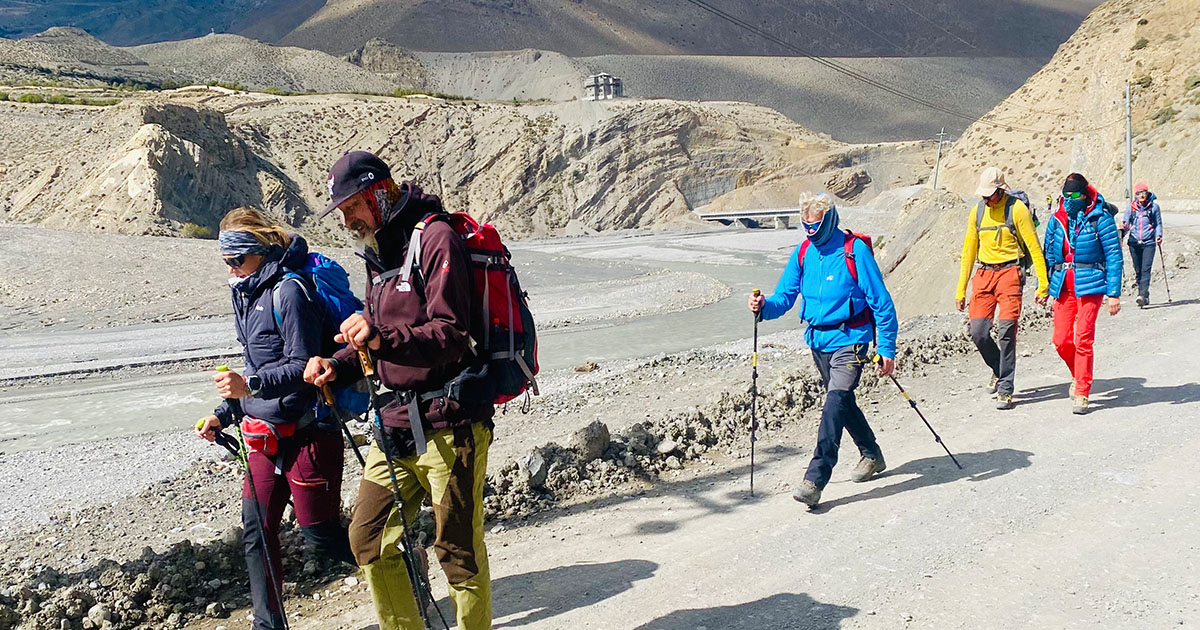
The world-renowned Annapurna region, famous for its trekking routes, has witnessed a remarkable increase in tourist arrivals during the fiscal year 2081/82 compared to the previous year. According to data from the Annapurna Conservation Area Project (ACAP), the number of foreign tourists visiting the region grew by 25 percent, reflecting the area’s sustained popularity as a top trekking destination.
Growing Number of Foreign Tourists Visits Annapurna Region
In the fiscal year 2080/81, a total of 222,180 foreign tourists visited the Annapurna Conservation Area, whereas in 2081/82, the number rose to 278,113. Among these visitors, 157,786 tourists hailed from South Asian countries, while 120,327 came from other nations, according to ACAP Chief Dr. Rabin Kadariya. This represents an increase of 55,133 tourists in just one year, underscoring the region’s growing appeal.
The highest influx of tourists was recorded in the month of Chaitra (mid-March to mid-April), with 44,977 visitors entering the Annapurna region. The lowest number was reported in Saun (mid-July to mid-August), when only 5,710 tourists visited the area.
Other monthly arrivals included 13,279 in Bhadra (mid-August to mid-September), 30,732 in Ashwin (mid-September to mid-October), 33,310 in Kartik (mid-October to mid-November), 14,011 in Mangsir (mid-November to mid-December), 14,033 in Poush (mid-December to mid-January), 9,034 in Magh (mid-January to mid-February), 19,470 in Falgun (mid-February to mid-March), 41,853 in Baishakh (mid-April to mid-May), 31,955 in Jestha (mid-May to mid-June), and 19,749 in Ashadh (mid-June to mid-July), Dr. Kadariya explained.
Peak Tourist Seasons and Religious Visits
The two main tourist seasons, Ashwin-Kartik (autumn) and Chaitra-Baishakh (spring), witness the highest numbers of trekkers visiting the Annapurna region. These periods also coincide with significant religious tourism, as pilgrims travel to sacred sites in and around the conservation area. Dr. Kadariya noted that tourist arrivals have consistently increased year after year, with over 100,000 more visitors recorded in 2081/82 than in 2079/80, when 172,108 tourists visited the area.
Tourism Recovery After COVID-19 Pandemic
Dr. Rabin Kadariya emphasized that the tourism sector in the Annapurna region, which was severely affected by the COVID-19 pandemic, has now bounced back to its previous vibrancy. The region remains one of the world’s most renowned trekking destinations, drawing both domestic and international tourists throughout most of the year. Although tourist numbers decline during the monsoon and winter seasons, the rest of the year sees steady activity with travelers engaging in trekking and sightseeing.
Foreign tourists increasingly prefer trekking routes, while many Indian visitors choose to travel by road, especially when visiting destinations like Muktinath. ACAP primarily tracks statistics of foreign tourists traveling within the conservation area.
Diverse Trekking Destinations Within Annapurna Conservation Area
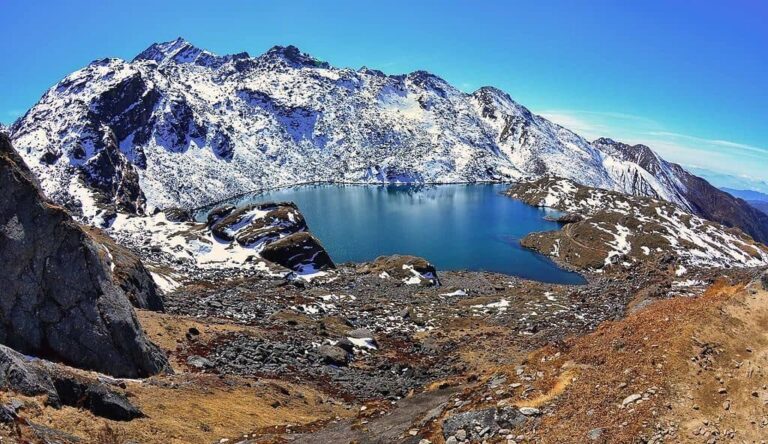
The Annapurna Conservation Area spans approximately 7,600 square kilometers and includes 87 wards across 15 local administrative units in Kaski, Lamjung, Manang, Myagdi, and Mustang districts. Popular trekking and sightseeing destinations within the area include Annapurna Base Camp, Madi Himal of Kaski, Sikles, Lwang, Ghandruk village, Tilicho Lake in Manang, Thorong La Pass, Upper Mustang, Muktinath region, Ghorepani and Pun Hill in Myagdi, among others.
Every year, millions of both domestic and international tourists visit these sites, attracted by the region’s natural beauty, rich biodiversity, unique Himalayan lifestyle, cultural heritage, and spiritual significance.
Annapurna Circuit: A World-Class Trekking Destination
The Annapurna Circuit Trek is recognized globally as one of the best trekking routes, offering a combination of spectacular mountain scenery, friendly tourism infrastructure, favorable climate, and warm hospitality from local communities. Trekking routes vary in length and difficulty and can be undertaken from Kaski, Lamjung, Manang, Myagdi, and other regions, allowing visitors to choose short, medium, or long treks according to their preferences.
This holistic blend of natural beauty, cultural richness, and trekking infrastructure continues to make the Annapurna region a top choice for travelers from around the world.