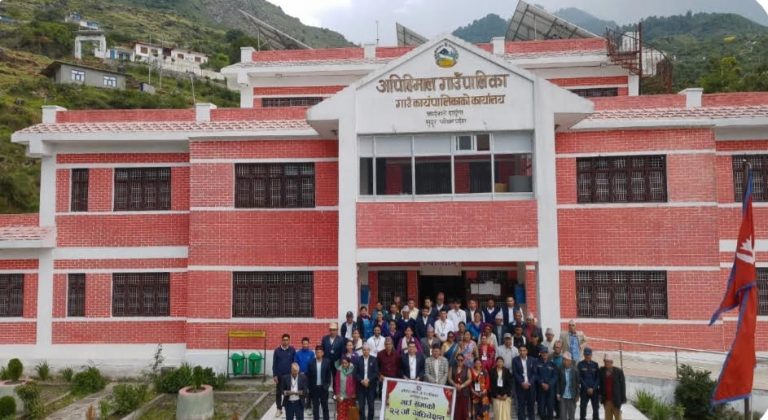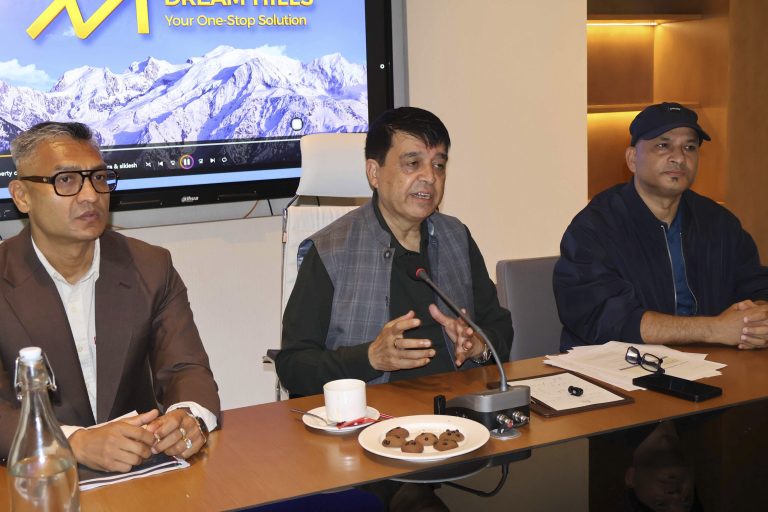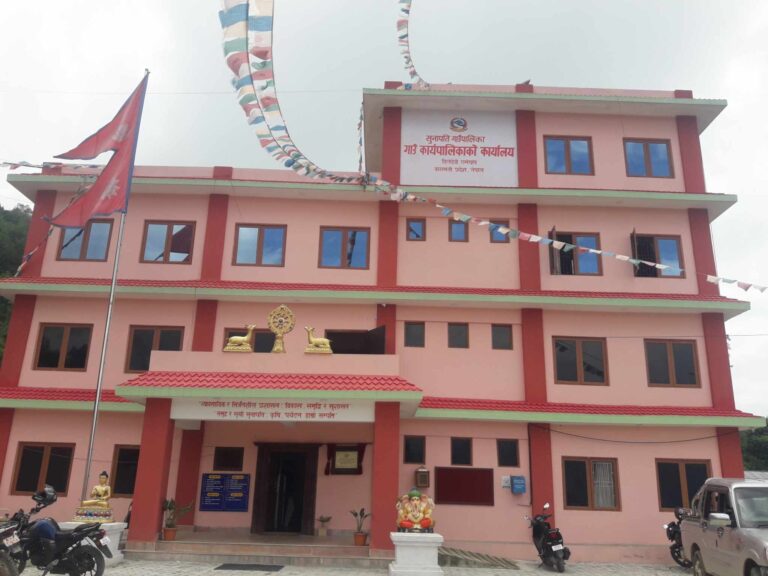
Sunapati Rural Municipality in Ramechhap is drawing increasing attention for its untapped tourism potential, as stakeholders strongly recommend focused investment in infrastructure and sustainable tourism development. In a recent interaction program titled “Tourism Development in Sunapati Rural Municipality”, jointly organized by Sunapati Rural Municipality and the Nepal Tourism Board, various experts and officials stressed the need to develop tourism in the region through a coordinated and strategic approach.
Infrastructure: The Foundation of Tourism Growth
Member of Parliament Purna Bahadur Tamang emphasized that infrastructure development is a prerequisite for attracting tourists to Sunapati. He argued that with proper promotion of local tourist destinations and the creation of attractive travel packages, both domestic and international tourism can be significantly boosted.
He also highlighted the importance of coordination among all three levels of government to enhance investment and implement effective tourism programs. “Many projects lack momentum due to ineffective mobilization of local budgets,” he warned, urging all stakeholders to act with seriousness and urgency.
Strategic Planning and Cultural Integration
Naradmani Hartamchhali, Chancellor of the Nepal Academy of Fine Arts, emphasized the importance of a strategic tourism development plan that integrates local religious, cultural, and natural assets. “Tourism potential must be linked with the area’s diverse cultural heritage to build a sustainable and impactful tourism framework,” he noted.
Hartamchhali called for long-term planning that not only focuses on infrastructure but also highlights it’s rich history and traditions, including local art forms like Thangka painting and traditional carpet weaving.
Nepal Tourism Board Commits Support
Kamal Sapkota, Vice Chairperson of the Nepal Tourism Board (NTB), expressed the board’s commitment to supporting tourism development in Sunapati. He remarked that tourism is a sector with high return on low investment and can play a crucial role in achieving national economic prosperity. Sapkota encouraged all relevant bodies to work responsibly to promote tourism as a comparative advantage sector, especially in underdeveloped yet naturally and culturally rich regions like Sunapati.
Integrated Tourism with Local Resources
Sagar Pandey, President of the Trekking Agencies’ Association of Nepal (TAAN), stressed the need for integrated tourism development, combining Sunapati’s geography, history, culture, and agricultural products. He stated that TAAN is ready to partner with the municipality to promote trekking and rural tourism in the area. Pandey emphasized how the region’s unique identity, coupled with its trekking potential and agricultural base, can attract niche travelers interested in eco-tourism, agri-tourism, and cultural exploration.
Emphasis on Trekking Infrastructure
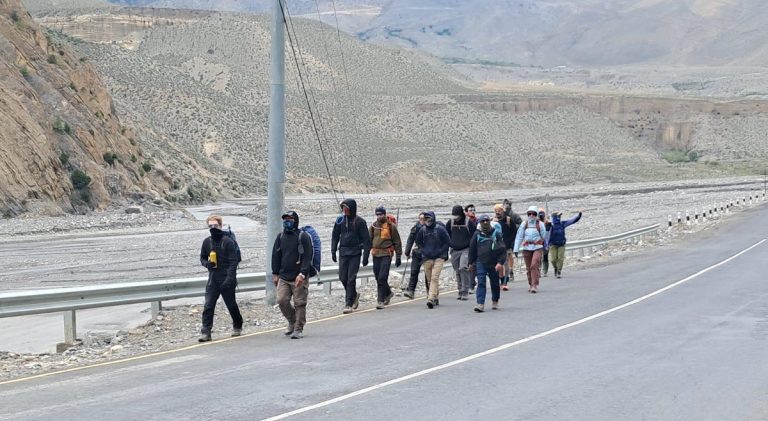
Former Managing Director of the Nepal Electricity Authority, Kulman Ghising, also advocated for increased investment in tourism infrastructure, especially trekking trails, citing Sunapati’s proximity to the federal capital, Kathmandu. “Sunapati can become an ideal short-trip destination for both domestic and foreign tourists if properly developed,” he suggested.
Municipality’s Commitment to Sustainable Development
Thulokanchha Tamang, Chairperson of Sunapati Rural Municipality, outlined the local government’s efforts in promoting tourism by engaging with governmental, non-governmental, and private sectors. He shared plans to preserve and promote the unique cultural identity, religious sites, historical landmarks, and environmental diversity of the region. “Our focus is on sustainable tourism,” he said, “and on creating employment and income-generation opportunities through homestays, tourist lodges, handicrafts, tour guides, and agricultural tourism.”
Natural and Cultural Attractions in Sunapati
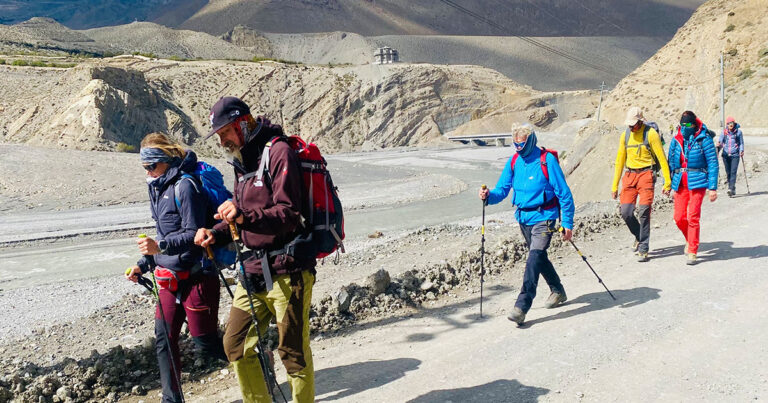
Sunapati is renowned as a prime spot for sunrise and sunset views, offering panoramic vistas of mountain ranges such as Jugal, Langtang, Gaurishankar, and even the world’s highest peak, Mount Everest. Popular trekking routes such as Nepalthok–Lubhu–Hiledevi and Sunapati–Sailung trails pass through the area. The region is dotted with significant cultural and religious landmarks including the 108 Laharimane Stupas, Lakhpatimane, Sunapati Mahadev Temple, and Damphu Park. These sites are of immense value for religious and cultural tourism.
Budget Allocation and Ongoing Development
For the fiscal year 2080/81, the rural municipality allocated Rs. 15 million towards tourism development. With this budget, several tourism infrastructures around the Sunapati Hill region have been constructed, including trails, viewpoints, and rest areas.
As part of the interaction program, audio-visual materials showcasing Sunapati’s tourism potential were presented. The event also featured cultural performances including the traditional Damphu and Tungna dance, performed by Tamang artists, highlighting the rich artistic traditions of the community.
A Call for Unified Effort
The interaction concluded with a collective agreement among participants that Sunapati’s development as a religious, cultural, and environmental destination requires unified efforts from the federal, provincial, and local governments, as well as active involvement from private and community sectors.
With its combination of natural beauty, cultural wealth, and strategic location, Sunapati Rural Municipality holds immense potential as a sustainable tourism destination. Stakeholders are optimistic that with the right investment, planning, and coordination, Sunapati could soon become one of Nepal’s most attractive emerging tourist hubs.