Nepal, a land adorned with majestic mountains, tranquil landscapes, and a rich spiritual heritage, continues to enchant travelers from across the globe. Yet, despite its immense appeal, the tourism industry has not reached its full potential. In today’s competitive global environment, showcasing Nepal as a distinctive and irresistible destination demands more than effort, it requires vision, collaboration, and systemic reform.
The Role and Limitations of the Nepal Tourism Board
The Nepal Tourism Board (NTB) has long been central to the nation’s tourism promotion. Since its inception in 1998, it has led numerous campaigns such as “Visit Nepal 1998” and “Visit Nepal 2011,” which successfully revived momentum in the industry. NTB has represented Nepal in global expos, provided training to tourism entrepreneurs, and encouraged domestic travel. However, over the years, the organization has faced criticism for inefficiency, political interference, and a failure to modernize its marketing strategies. For Nepal to evolve into a global tourism powerhouse, NTB must be restructured into a professional, autonomous, and non-partisan institution.
Leadership: From Political Appointments to Professionalism
One of the biggest challenges confronting the tourism sector is leadership that often prioritizes political allegiance over expertise. Tourism today is more than scenic views, it is about storytelling, branding, influencer engagement, and creating seamless visitor experiences. The NTB needs visionary professionals who understand international trends, digital tools, and modern traveler expectations, not political appointees.
Moreover, the use of NTB’s financial resources must become more strategic. Rather than spending heavily on administrative processes or outdated promotional formats, funds should be allocated toward digital branding, high-quality content creation, influencer partnerships, and smart market segmentation.
Overcoming Infrastructure and Accessibility Barriers
Despite growing interest, numerous barriers continue to impede tourism development. Many remote yet stunning destinations remain difficult to access due to poor infrastructure and lack of essential amenities. Limited and costly air connectivity further discourages international arrivals.
To welcome more adventure tourists, pilgrims, and luxury travelers, the country must focus on expanding international air routes, adopting open skies policies, and enhancing the capacity and efficiency of its airports. Investment in road connectivity, clean accommodations, and safety infrastructure in emerging destinations is equally crucial.
The Urgency of Digital Transformation
In the digital era, travelers are inspired by stories, reels, blogs, and vlogs shared online. Unfortunately, it’s online presence remains fragmented and outdated. A comprehensive digital transformation is no longer optional, it’s essential.
This includes developing multilingual, user-friendly websites, destination-specific microsites, and compelling social media campaigns across platforms like Instagram, YouTube, Facebook, and TikTok. Creating immersive and authentic visual content will help Nepal connect with new-age travelers and stay relevant in an ever-evolving global market.
Mobilizing the Power of the Nepali Diaspora
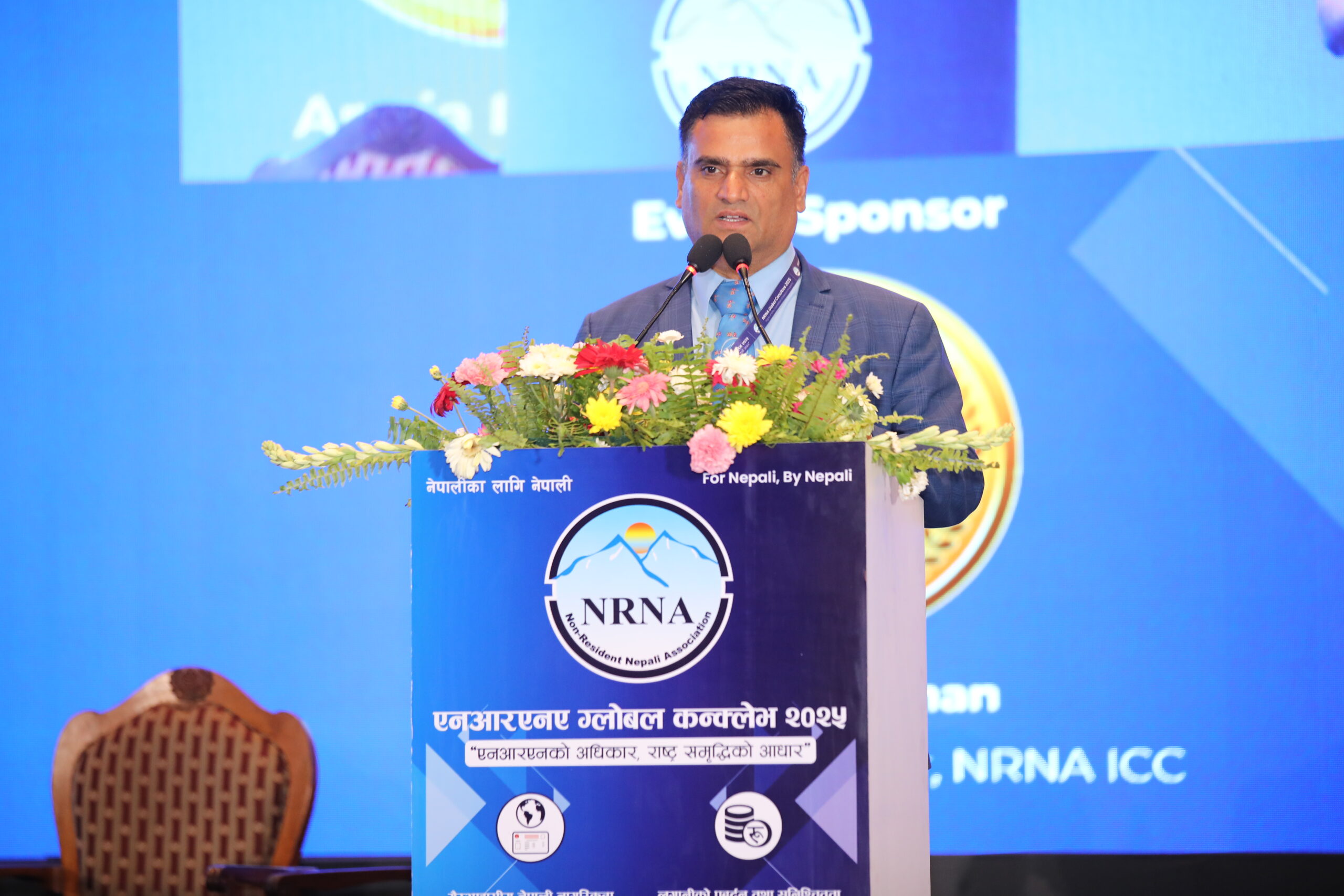
An underutilized yet highly influential resource is Nepal’s diaspora community. The Non-Resident Nepali Association (NRNA), with a presence in over 90 countries, can play a transformative role in global tourism promotion. NRNs, who maintain emotional and cultural ties to Nepal, can act as passionate brand ambassadors.
From hosting Nepal-themed festivals and organizing roadshows to supporting digital campaigns and lobbying for better air connectivity, the diaspora’s involvement can be a game-changer. Many NRNs already run tourism-related businesses abroad and are well-positioned to promote Nepal to international audiences.
From Occasional Talks to Institutional Partnerships
For this potential to materialize, NTB and NRNA must move beyond informal engagement toward structured collaboration. Jointly developing annual work plans, organizing co-branded international events, and launching diaspora-led campaigns can help amplify Nepal’s global image.
Partnerships can also include training exchanges, investment summits, localized content creation, and targeted influencer outreach. These collaborations would not only boost inbound tourism but also foster a sense of shared responsibility among the diaspora.
Learning from the Past, Planning for the Future
The “Visit Nepal 2011” campaign reminded us of what’s possible when the nation rallies around a shared vision. Although the campaign did not meet all its targets, it helped restore global confidence and showed that collective effort could uplift the country’s image.
As we plan ahead, we must avoid the mistakes of the past, short-term thinking, fragmented planning, and lack of innovation. A forward-looking, inclusive, and creative approach is now essential to reclaim it’s rightful place on the global tourism map.
Tourism: A Reflection of National Identity
Tourism is more than just an economic engine, it’s a vessel for national pride and identity. Nepal offers a rare combination of spiritual richness, natural beauty, and human warmth. But without effective storytelling, strategic packaging, and unified messaging, this uniqueness risks being overlooked.
It must position itself boldly as the home of Mount Everest, the birthplace of Lord Buddha, and a sanctuary for peace, adventure, and self-discovery. These are powerful brand pillars if told with purpose and passion.
A Call to Action: Reform, Collaborate, and Inspire
Now is the moment for action. Nepal must reform institutions, empower professionals, embrace digital tools, expand air connectivity, and forge partnerships with the diaspora. These steps are not just about recovery, they are about repositioning Nepal for the future. By doing so, we won’t just revitalize tourism, we will reshape how the world experiences and understands Nepal. The opportunity is here. Let’s rise to meet it.
Written By: Som Nath Sapkota (Entrepreneur, Tourism Promoter, and Deputy General Secretary – NRNA ICC)