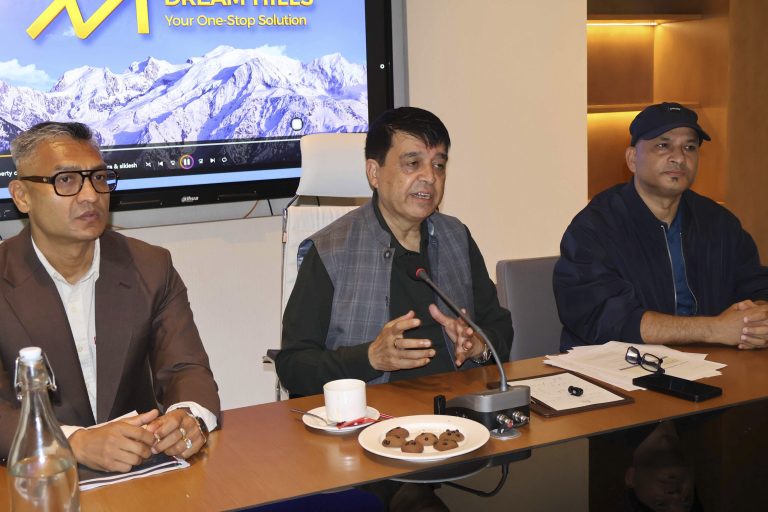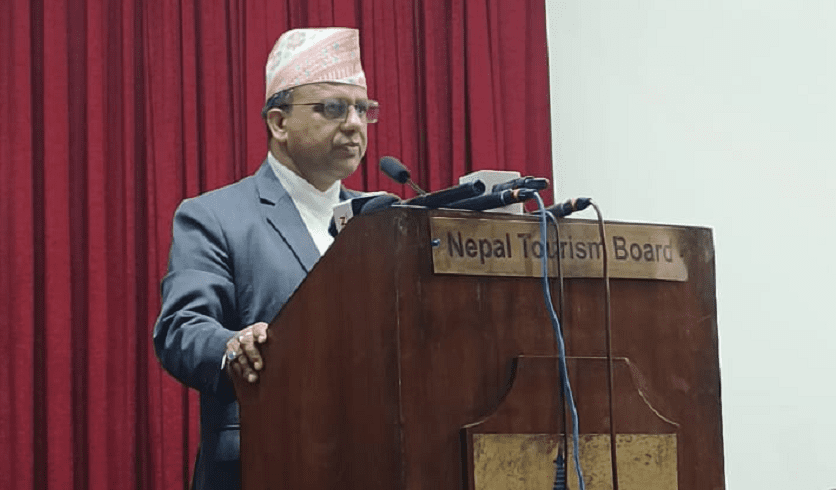
Badri Prasad Pandey, Nepal’s Minister for Culture, Tourism, and Civil Aviation, has underscored the critical need to encourage private sector investment in the development of Nepal’s tourism infrastructure. Highlighting that the government alone cannot undertake all necessary initiatives, Minister Pandey stated, “To develop tourism infrastructure, we need significant investment. The government cannot do everything by itself. We must roll out the red carpet for the private sector and encourage their investment in this vital industry.”
The minister’s remarks come at a time when Nepal is seeking to rejuvenate its tourism sector in the aftermath of the COVID-19 pandemic and amidst changing global travel dynamics. Minister Pandey acknowledged that tourism plays a vital role in Nepal’s economy and that a more inclusive and collaborative approach, particularly with private stakeholders, is key to sustaining and expanding the industry.
Policy Reform to Attract Private Participation
Minister Pandey shared that the ministry is currently focusing on policy reform to create an environment more conducive to private investment. He expressed concern over the limited budgetary allocation for the tourism sector, despite high expectations from various stakeholders. “Even though tourism is expected to deliver a lot, the budget it receives is far lower in comparison to other ministries. The Ministry of Tourism often finds itself operating with minimal resources, yet we are trying to deliver as much as possible with the limited means available,” he stated.
He emphasized that improving infrastructure, creating world-class tourism facilities, and branding Nepal as a competitive global destination all require a strategic partnership between the government and private investors. By making the investment environment more friendly, Pandey hopes to remove the barriers that currently deter private actors from entering the tourism industry at scale.
Cultural and Natural Heritage as Catalysts for Tourism Growth
During his address, Minister Pandey also spoke passionately about leveraging Nepal’s natural beauty and cultural diversity to attract repeat visitors. He remarked that presenting Nepal’s landscapes and traditions through compelling visual storytelling can make the country more attractive internationally. “If we can visually portray our diverse culture and pristine nature, it will naturally lead to tourism growth, which in turn paves the way for economic prosperity,” he said.
He stressed that creating an emotional and visual connection with international visitors can inspire them to return. “Once a tourist visits Nepal, the goal should be to create a lasting impression that brings them back time and again,” Pandey added.
Kirat Circuit and Koshi Visit Year Highlighted
Minister Pandey also expressed his strong commitment to advancing the Kirat Circuit, a culturally rich tourism initiative aimed at promoting the heritage and traditions of the Kirati communities. He assured that the federal government is fully committed to supporting the Koshi Province’s announced Visit Year, and called on tourism entrepreneurs and local stakeholders to contribute to its success.
He highlighted the importance of balancing nature and culture in tourism development. Using Mount Everest (Sagarmatha) as a symbolic example, he said, “Sagarmatha stands as a symbol of pride. The ideas, philosophies, and responsibilities associated with such natural landmarks must be conveyed through stories. We need to tell and show the stories of our natural and cultural heritage.”
Tourism Exploration and Untapped Destinations
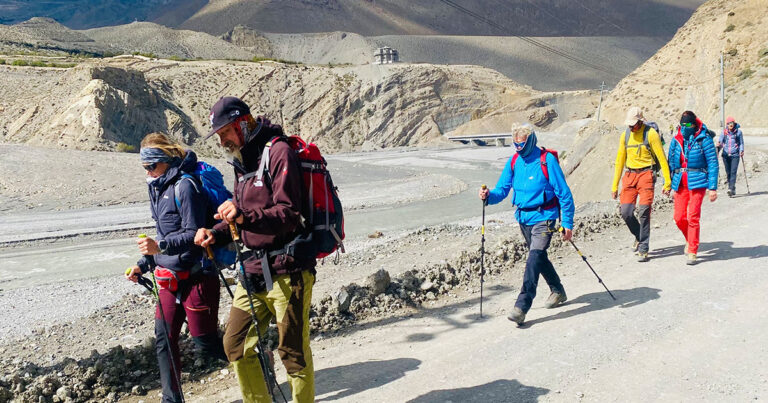
Minister Pandey acknowledged that many potential tourist destinations across Nepal remain undiscovered and unexplored. He stated that the government is now focusing on identifying such hidden gems and conducting research to bring them into the mainstream. “There are countless places in Nepal that haven’t even been explored. Our mission is to research and promote these sites, so the entire country can benefit from tourism.”
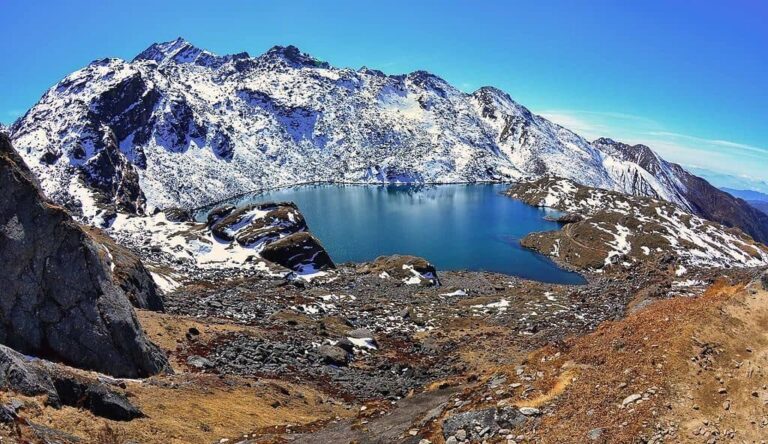
This approach aligns with Nepal’s broader vision of diversifying its tourism offerings beyond the traditional destinations like Kathmandu, Pokhara, and Everest Base Camp. With a rich cultural and ecological tapestry spanning the Himalayas to the Terai plains, Nepal has untapped potential that, if explored, can redefine its tourism landscape.
Shifting Tourist Preferences and Content-Driven Promotion
Speaking at the same event, Deepak Raj Joshi, CEO of the Nepal Tourism Board (NTB), noted a significant shift in tourist behavior and preferences in recent years. “Tourists today are increasingly exploring destinations on their own. The number of travelers who prefer to discover new places instead of visiting traditional sites is growing,” Joshi observed.
He also emphasized the important role of films, music videos, and digital content in promoting Nepal’s tourism destinations. With the growing influence of visual media, locally produced content has become a powerful tool to brand and market Nepal internationally. “The music videos and films made in Nepal are contributing to the promotion of our tourist spots. Collaborations are ongoing with various stakeholders to turn these content pieces into effective promotional tools to attract international travelers,” he said.
Collaborative Vision for Sustainable Tourism Growth
The event concluded with a strong message from both Minister Pandey and CEO Joshi, calling for greater cooperation among the government, private sector, and local communities to build a sustainable and resilient tourism industry. Minister Pandey’s vision includes policy-level reform, increased public-private partnerships, and broader promotional efforts focused on Nepal’s unique natural and cultural strengths.
With government support, private sector investment, and strategic branding, Nepal aims to position itself not just as a destination of mountains, but as a comprehensive experience of culture, spirituality, adventure, and hospitality.