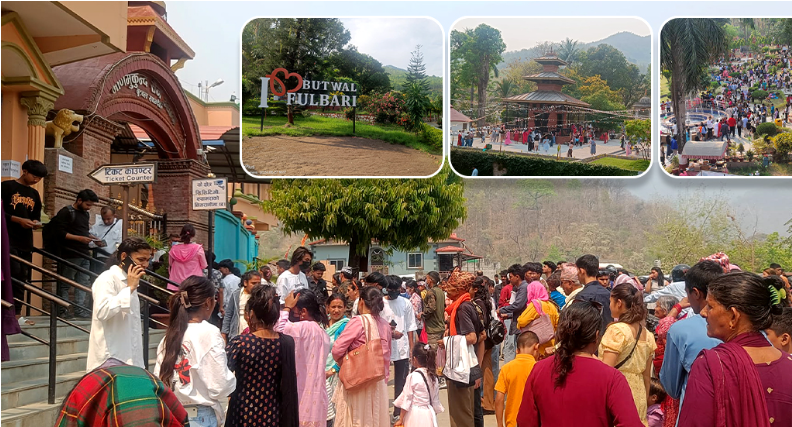
Mani Mukunda Sen Park, also known as Phulbari, a historic and culturally rich destination located in Butwal Sub-Metropolitan City–2, has seen a significant rise in tourist footfall, establishing itself as a major tourist attraction in the region. Among the influx of visitors, Indian tourists have formed the largest group, showcasing the growing cross-border tourism interest in this scenic and historic site.
Surge in Tourist Numbers Reflects Growing Popularity
According to the Mani Mukunda Sen Park Conservation Committee, a total of 547,199 visitors entered the park during the fiscal year 2081/82. Of them, 74,592 were Indian tourists, while 71,695 were students. This dramatic increase in tourist flow indicates the rising recognition of the park’s historical and natural value. The park, named after the 16th-century ruler King Mani Mukunda Sen of Palpa, holds deep historical significance and serves not only as a recreational spot but also as an educational and research site.
Focus on Research and Education-Oriented Development
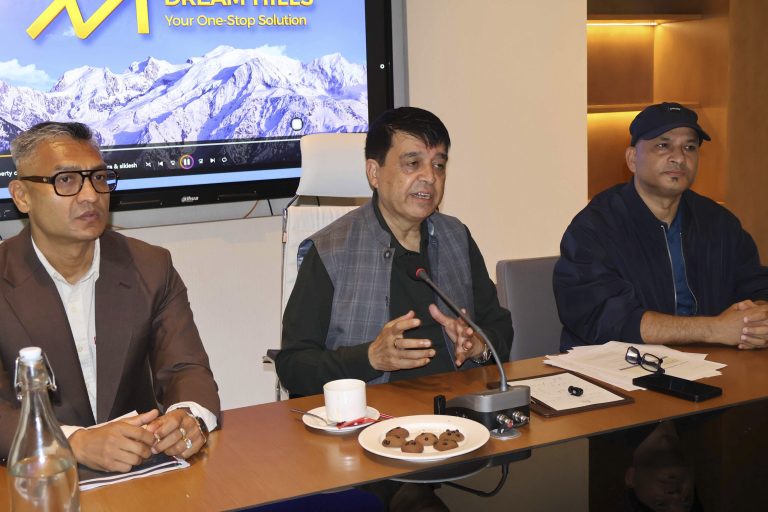
During a press conference organized by the Committee to present its annual review and outline future plans, Chairman Madhav Prasad Nepal revealed that there are concrete plans to develop the park into a study and research center. He emphasized that the number of students visiting the park, especially those pursuing higher education, has increased significantly in recent years. “Some students come here to prepare thesis papers and research works on the park’s history and biodiversity,” Nepal shared.
Federal Budget Allocation Boosts Infrastructure Plans
The Federal Government has allocated a budget of Rs. 30 million for the current fiscal year aimed at conserving the remnants of the historic Sen-era palace and constructing a museum within the park premises. The Committee is optimistic that with proper infrastructure development and beautification, the park can draw even more tourists in the coming years.
Plans are underway to develop the park as a cultural hub, research center, and fully-fledged tourist destination. These efforts are expected to enhance both the educational and recreational aspects of the park, making it a holistic center for learning, relaxation, and cultural enrichment.
Upcoming Attractions to Enhance Tourist Experience
The Committee also shared details about several innovative plans currently under study and preparation. These include commercializing the nursery for plant production, preserving the palace ruins, beautifying the gardens, and introducing new attractions like selfie zones, tree restaurants, glass bridges, and zip lines. These additions aim to appeal to younger tourists and adventure seekers alike.
Moreover, the park will see enhancements in areas such as the Munamadan Garden, a conceptual boutique garden, an aquarium, a digital information center, and collaborations with both national and international media. Additionally, the Committee plans to launch a “Research Fellowship” program to foster academic engagement with the park.
Coordination Across All Levels of Government
Yubaraj Ghimire, General Secretary of the Park Conservation Committee, stated that the Committee is working closely with local, provincial, and federal governments to ensure structural development of the park. However, he also pointed out several challenges that continue to hinder progress, including budget constraints, legal complications with community forests, lack of technical manpower, and inconsistent water supply. He urged stakeholders and government bodies to step up support to overcome these obstacles.
Financial Overview and Contributions to State Revenue
In the past fiscal year, the park generated an income of Rs. 40.6 million, while its expenditures reached Rs. 39.6 million. Additionally, the park contributed over Rs. 4.7 million in various taxes, including entertainment and income taxes. These figures underline the park’s potential not only as a cultural and educational site but also as a contributor to the local and national economy.
In conclusion, Mani Mukunda Sen Park is not just a serene getaway but also a growing hub of historical education, environmental awareness, and cultural celebration. With strategic planning, infrastructural support, and cooperative governance, it holds immense potential to be recognized as one of Nepal’s premier heritage and tourism landmarks.