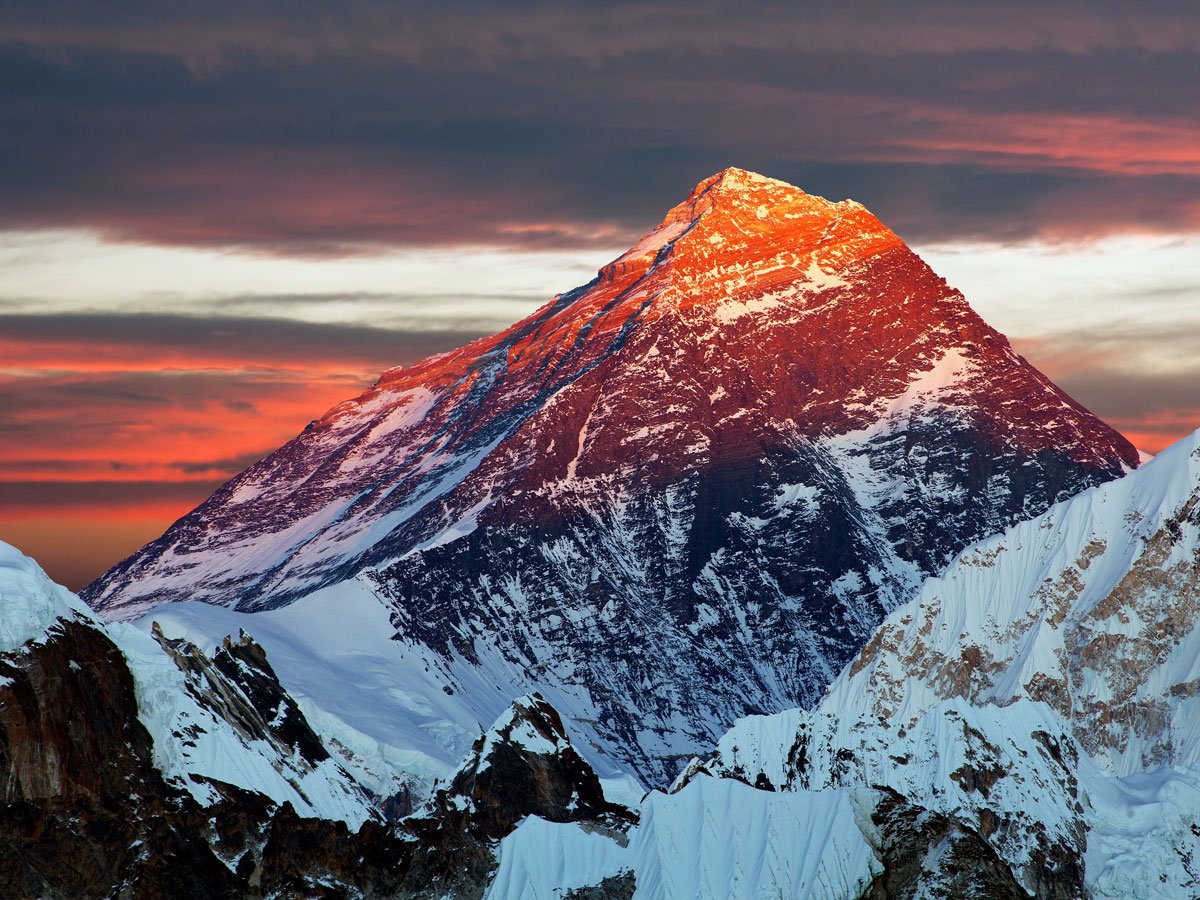
In a significant move highlighting the concerns of overlooked communities in the Everest region, Asim Rai, a prominent youth leader of the CPN (Maoist Centre) and Chairperson of Thulung Dudhkoshi Rural Municipality in Solukhumbu district, has urged the National Natural Resources and Fiscal Commission (NNRFC) to revise its royalty distribution policies. Speaking during a formal submission to the Commission on Sunday, Rai strongly advocated for the inclusion of Thulung Dudhkoshi, Nechasalyang, and Likhupike rural municipalities in the share of royalties generated from Mount Everest, citing indirect yet substantial impacts from Everest-related tourism, infrastructure stress, and environmental threats.
Challenging the “Adjacency” Criterion
Currently, the allocation of Everest royalties is restricted to rural municipalities that share a direct border with the mountain. Rai described this approach as “geographically narrow,” arguing that it undermines the broader concept of shared national ownership. “The current system excludes numerous affected areas simply because they do not fall within strict administrative boundaries,” Rai stated. “We must shift the focus from ‘adjacency’ to ‘impact’.”
He emphasized that the present formula fails to recognize the real-world effects of tourism, infrastructure burden, and environmental degradation that ripple far beyond the immediate periphery of Everest. According to Rai, this narrow criterion creates unnecessary divisions and denies much-needed resources to local governments that shoulder indirect costs of Everest’s prominence as a global tourism destination.
Broader Distribution for a Shared Natural Heritage
Calling for an inclusive and just royalty distribution framework, Rai proposed that all local governments within the same district as a natural resource, such as Mount Everest, should be entitled to a share of the royalties. “Even a minimal share would acknowledge their contribution and challenges,” he remarked.
Rai’s proposal included revising existing guidelines to integrate broader factors such as infrastructure usage, increased service demands, pressure from seasonal tourist influx, and environmental exposure into the royalty allocation metrics. He advocated for establishing collaborative frameworks between rural municipalities to jointly manage, protect, and benefit from national natural assets like Everest.
“The local levels must work as partners, not competitors, in preserving our national heritage,” Rai stated, highlighting how tourism routes, lodges, transportation, and emergency services extend well beyond Khumbu Pasanglhamu, the only local government currently receiving the royalty revenues.
Environmental Risks Justify Inclusion
Rai underscored the significant environmental challenges faced by municipalities like Thulung Dudhkoshi due to their location within the Everest water system. The Dudhkoshi River, which originates from glaciers in the Everest region, flows directly through these municipalities. “Our communities are at the frontline of climate change-induced disasters like glacier lake outburst floods (GLOFs), river erosion, and infrastructure damage,” Rai said, pointing to growing risks from melting glaciers and unpredictable weather patterns in the Himalayan region.
He argued that without access to a portion of the Everest royalties, these municipalities are severely limited in their ability to invest in flood prevention, disaster preparedness, and infrastructure resilience. “We are not just impacted; we are vulnerable,” he emphasized.
Toward a Fair and Functional Framework
In his submission, Rai recommended the Commission adopt a more dynamic and impact-sensitive policy approach. This would ensure that revenue generated from globally significant sites like Everest contributes not just to economic development but also to sustainability and resilience in the broader region.
He proposed the inclusion of clear metrics in the royalty distribution framework that account for:
- Tourist movement and service burden across municipalities,
- Environmental threats including glacial floods and river-based hazards,
- Infrastructure strain resulting from tourism-related development,
- Logistical access and transport corridors that serve the Everest region.
Rai also called for inter-municipality partnerships, supported by policy and resource sharing mechanisms from the federal government. Such collaboration would enhance coordinated development, minimize duplication of infrastructure, and ensure that conservation efforts are comprehensive rather than fragmented by administrative lines.
A Call for Justice in National Resource Sharing
Highlighting that Mount Everest is not just a local or district asset but a symbol of national pride and global recognition, Rai concluded his presentation by urging the Commission and relevant authorities to rise above bureaucratic rigidity. “Our national resources must benefit all who are impacted by them, not just those who lie within an artificial line on a map,” he said.
The Chairperson’s recommendations have drawn attention to a growing demand for decentralization of economic benefits from tourism and natural resources in Nepal. As the nation continues to promote sustainable tourism and environmental conservation, Rai’s voice echoes the sentiments of many local leaders seeking fairness, inclusion, and recognition of their municipalities’ contributions and vulnerabilities.
The National Natural Resources and Fiscal Commission has yet to respond officially, but Rai’s submission has set the stage for a broader debate on reforming Nepal’s royalty distribution framework, one that may reshape the way natural assets like Everest are valued and shared among the communities that sustain them.