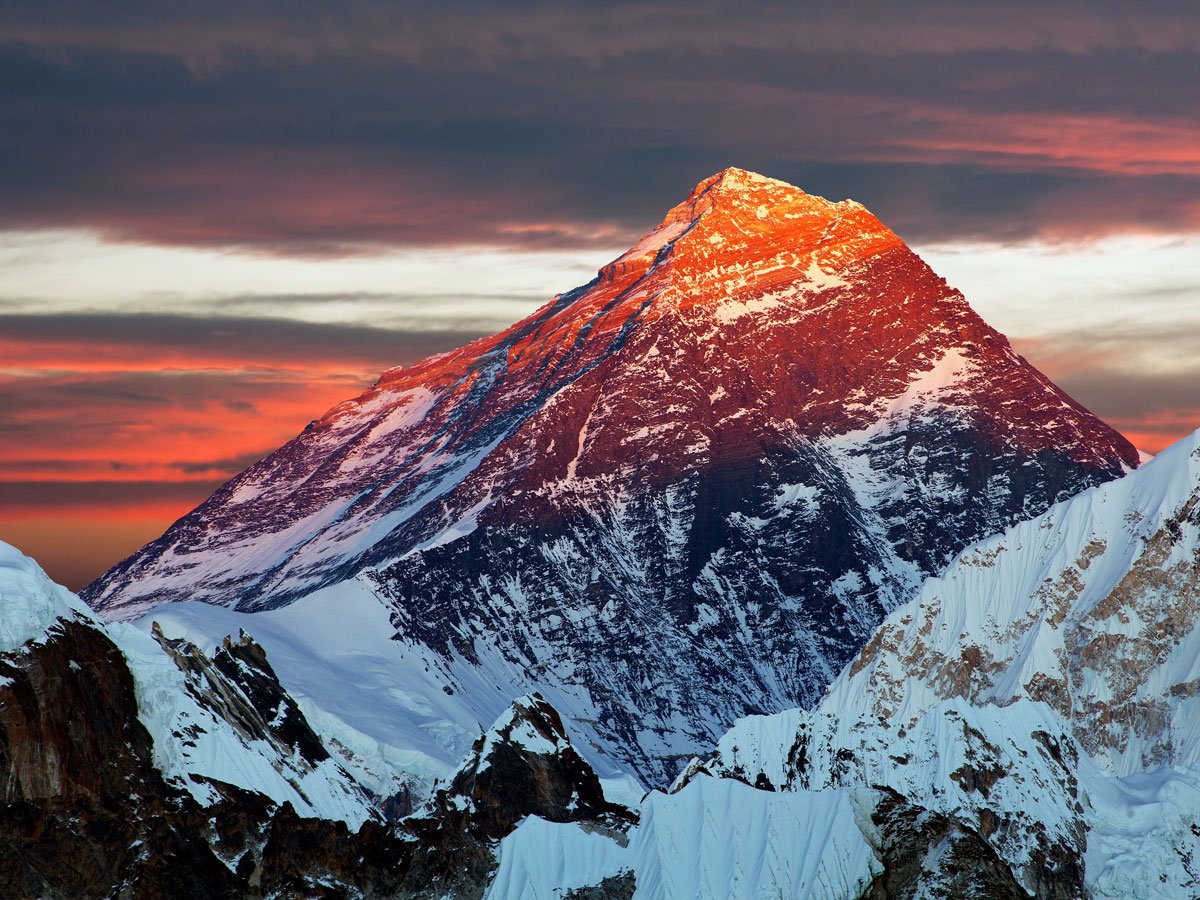
Mount Everest, the world’s highest peak and a symbol of Nepal’s national pride, could soon see climbers taking a safer route to its summit. In a major move towards ensuring the safety of mountaineers and promoting sustainable tourism, Minister for Culture, Tourism and Civil Aviation, Badri Prasad Pandey, emphasized the urgent need to explore a safer alternative route. During a discussion held at the Ministry on Friday, the consensus was reached that the traditional climbing path, especially the section from Khumbu Icefall to Camp 1, has become increasingly dangerous and warrants immediate reconsideration.
Growing Risks in the Traditional Route
The Khumbu Icefall, situated just above the Everest Base Camp, has long been recognized as one of the most perilous sections on the mountain. Each year, numerous mountaineers, both Nepali and foreign, risk their lives while navigating this unstable icefall. “The existing route is quite complex and riskier for climbers. We need to prioritize their safety,” Minister Pandey said, underscoring the importance of a strategic shift in mountaineering approach.
With climate change accelerating glacier movement and increasing the frequency of ice collapses, the traditional path has become even more hazardous. The death toll over the years, especially among Sherpa guides, has raised serious concerns about the safety of those who undertake the Everest expedition.
Call for Sustainable and Environment-Friendly Alternatives
“Mt. Everest is the symbol of our national pride. Every year, thousands of foreigners and Nepali climbers come here to scale the summit,” Minister Pandey stated. “We should open up for secured, environment-friendly, and sustainable solutions for their life saving.”
The Minister’s remarks reflect growing awareness among authorities that Nepal must protect not just the mountaineers but also its natural heritage. With Everest being a global attraction, ensuring safer access while preserving the fragile ecosystem is seen as a top priority. Introducing new routes could also help distribute climber traffic, reducing overcrowding on the traditional path.
Research and Presentation by Renowned Climbers
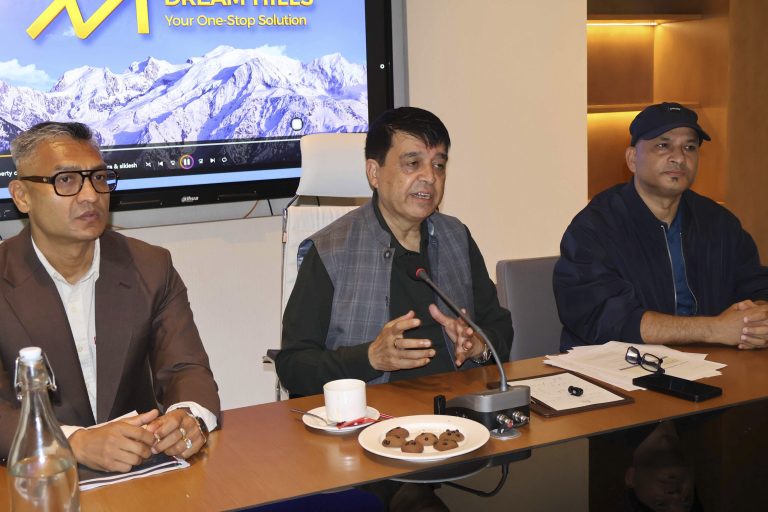
The Ministry’s discussion was further enriched by the insights and findings of world-renowned French mountaineer Marc Marie Batar and experienced Nepali climber Sping Kaji Sherpa. Both climbers have been actively engaged in a campaign to explore alternative Everest routes since 2018.
During the event, Batar and Sherpa presented a comprehensive report based on their years of research, surveys, and photographic documentation. Their work highlights potential safer routes that bypass the notorious Khumbu Icefall, offering hope for a more secure ascent in the future.
“The objective is not just to find another way, but to ensure it is safer and sustainable,” Sherpa explained. “We believe the new route we’ve studied could save lives and preserve Everest’s climbing heritage for generations to come.”
Government Commitment and Collaboration Ahead
Following the presentation, Minister Pandey praised the duo’s efforts and assured that the government would seriously consider the proposal. “Their dedication to mountaineering safety is commendable. We will work with all stakeholders, climbers, local communities, experts, and international partners, to examine the feasibility of this alternative route,” he said.
Officials from the Ministry agreed that a dedicated task force may be established to conduct an in-depth feasibility study, including environmental impact assessments, climber consultations, and technical evaluations. The findings will guide the government in framing policy decisions for future Everest expeditions.
Significance for Tourism and National Image
With Everest being a cornerstone of Nepal’s adventure tourism, the move to explore safer climbing routes also carries significant economic and reputational implications. Safer routes could potentially attract more climbers, especially those deterred by the dangers of the current path.
Moreover, by taking the lead in prioritizing climber safety and sustainable mountaineering, Nepal can reinforce its image as a responsible and forward-thinking tourism destination. The move may also encourage more scientific expeditions and attract funding for further mountaineering research.
Community and Sherpa Involvement Crucial
Local involvement, especially from the Sherpa community, will be essential in the exploration and implementation of new climbing routes. Sherpas are not only experienced guides but also cultural custodians of the Everest region. Ensuring their inclusion in decision-making processes will be critical for the success and acceptance of any proposed changes. Sping Kaji Sherpa emphasized this point, stating, “We know the mountain. Any solution must respect the local knowledge, our environment, and the legacy of the Sherpa people.”
Looking Ahead
While challenges remain, ranging from technical difficulties to environmental regulations—the government’s readiness to consider alternative routes to Mt. Everest signals a turning point in Nepal’s mountaineering policy. By putting safety, sustainability, and science at the forefront, Nepal hopes to ensure that climbing the world’s tallest mountain remains a proud and secure endeavor for all who attempt it. As research and consultations progress, the world watches with hope that the roof of the world will soon offer a safer path to those who dream of reaching its summit.