The birth anniversary of Guru Padmasambhava, also revered as Guru Rinpoche and widely recognized as the Second Buddha in the Himalayan Buddhist tradition, will be celebrated for the very first time this year with grand religious and cultural events. This significant occasion, along with the traditional Mahakal Jatra, known as a festival honoring Buddhism’s patron saint, will take place in the sacred area surrounding the Boudhanath Stupa, drawing devotees, cultural enthusiasts, and spiritual practitioners from across Nepal and beyond.
Commemoration of Guru Rinpoche’s Birth Anniversary
Guru Padmasambhava is a central figure in Himalayan Buddhism, credited with introducing and establishing Vajrayana Buddhism in Tibet and neighboring Himalayan regions. His birth anniversary is considered an auspicious day, celebrated with reverence and devotion.
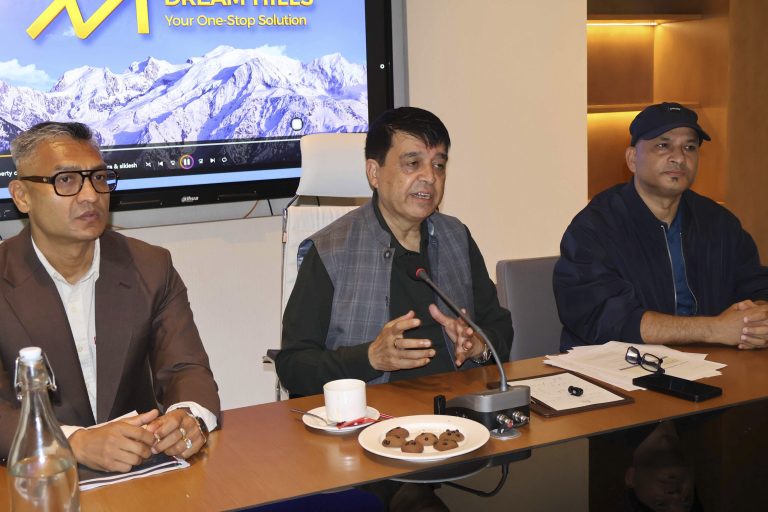
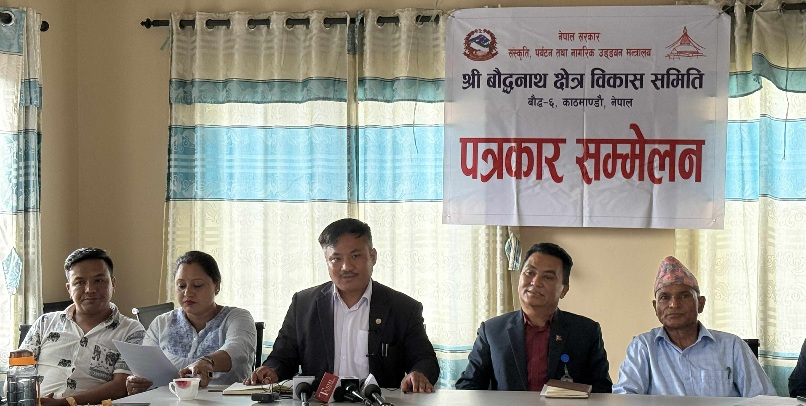
This year, the Shree Boudhanath Area Development Committee has announced a series of special programs to mark this historic first-time celebration. On August 4, at 9 a.m., devotees and religious leaders will gather at multiple sacred locations, including Mahakal, Tinchuli, and Ghyolisang Pokhari, also known as Guru Park, situated around the Buddhist Mahachaitya (Boudhanath Stupa) to offer special prayers. These prayers are expected to invoke blessings and peace, paying homage to Guru Rinpoche’s enlightened legacy and his profound impact on Buddhism in the Himalayan region.
Grand Procession and ‘Guru Chhedge Chyam’ Dance
The spiritual celebrations will continue into the afternoon of the same day. At 3 p.m., a vibrant procession will commence from Tinchuli, carrying a beautifully crafted statue of Guru Rinpoche. The procession will circumambulate the Boudhanath Stupa, a key pilgrimage site revered by Buddhists worldwide, symbolizing respect and the cyclical nature of life and spiritual practice.
Following the procession, the much-anticipated religious dance known as ‘Guru Chhedge Chyam’ will be performed. This traditional dance vividly portrays the eight pastimes of Guru Rinpoche, encapsulating various episodes from his life that illustrate his spiritual powers and teachings. The dance is not only a cultural spectacle but also a devotional act, embodying the spiritual stories that have inspired generations of practitioners.
The Mahakal Jatra: An Age-Old Festival with a New Beginning
The Mahakal Jatra, a centuries-old festival dedicated to Mahakal, regarded as Buddhism’s patron saint and protector deity, will officially open on August 12 this year with renewed vigor and enthusiasm. This festival is especially significant for the local Buddhist community, as it celebrates the protective aspects of Mahakal, who is believed to safeguard the Dharma and the faithful.
The festivities will feature the traditional ‘two-handed Mahakal Jatra,’ a ritual parade that involves intricate performances and ceremonial worship. The Shree Boudhanath Area Development Committee has outlined a detailed schedule for the event, which is expected to attract large crowds eager to participate in or witness the unique blend of spirituality and culture.
Sacred Worship and Devotional Parades
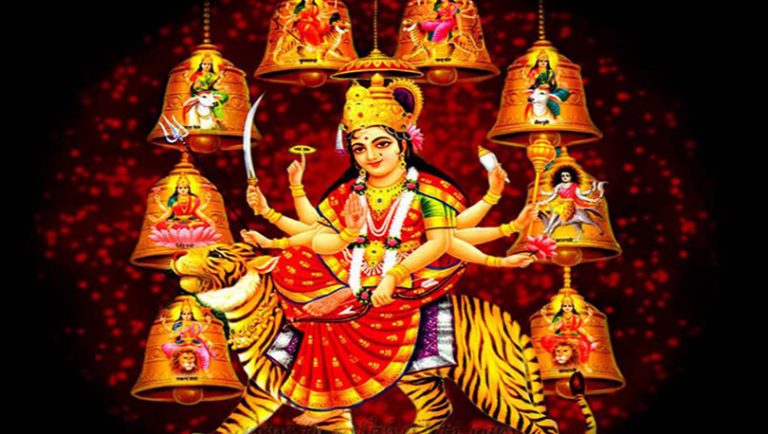
During the Mahakal Jatra, the statue of Mahakal will be worshiped by a diverse group of religious figures, including Lamas, Bajracharyas, and Brahmin Gurus. This collective worship signifies the unity among different Buddhist sects and Hindu traditions in Nepal, reflecting the inclusive spiritual fabric of the region.
The revered statue will be mounted on a tall pole and carried in a ceremonial procession through a carefully planned route: Ramhiti, Tinchuli, Bouddha, Tusal, and Chuchhepati, before finally returning to the Mahakal location. This procession will begin at 11 a.m., promising a colorful and spiritually charged atmosphere.
Cultural Performances Highlight the Festival
Adding to the festive spirit, Shardul Jung Gulma, also known as Guruju Paltan, will lead a spirited program during the parade. Their performance is anticipated to energize the crowd with traditional songs, drumming, and ritual dances that celebrate Mahakal’s protective role and invoke blessings for the community. Such performances are integral to the festival, as they blend artistic expression with devotional fervor, creating a space where culture and spirituality harmoniously intersect.
Significance for the Local and Wider Buddhist Community
The decision to celebrate Guru Padmasambhava’s birth anniversary and the Mahakal Jatra together, and for the first time with such extensive programming, marks a significant milestone for the Buddhist community in Kathmandu Valley. These events underscore the deep-rooted cultural heritage and spiritual traditions that continue to thrive in Nepal.
Moreover, the celebration highlights the importance of preserving and promoting Buddhist heritage sites like Boudhanath Stupa, which are not only places of worship but also symbols of peace, unity, and cultural identity. The inclusion of various religious leaders and community members in the celebrations reflects the collective effort to keep these traditions alive in a rapidly modernizing world.
Looking Forward: A New Tradition Takes Root
With the inaugural celebration scheduled for August, the Shree Boudhanath Area Development Committee hopes that this event will become an annual tradition, fostering greater awareness and appreciation of Himalayan Buddhist culture. The festival is expected to draw pilgrims, tourists, and scholars alike, providing an opportunity to experience the rich tapestry of Nepal’s religious diversity. In addition to its religious significance, the event is likely to boost local tourism and economy, encouraging cultural exchange and strengthening community bonds.