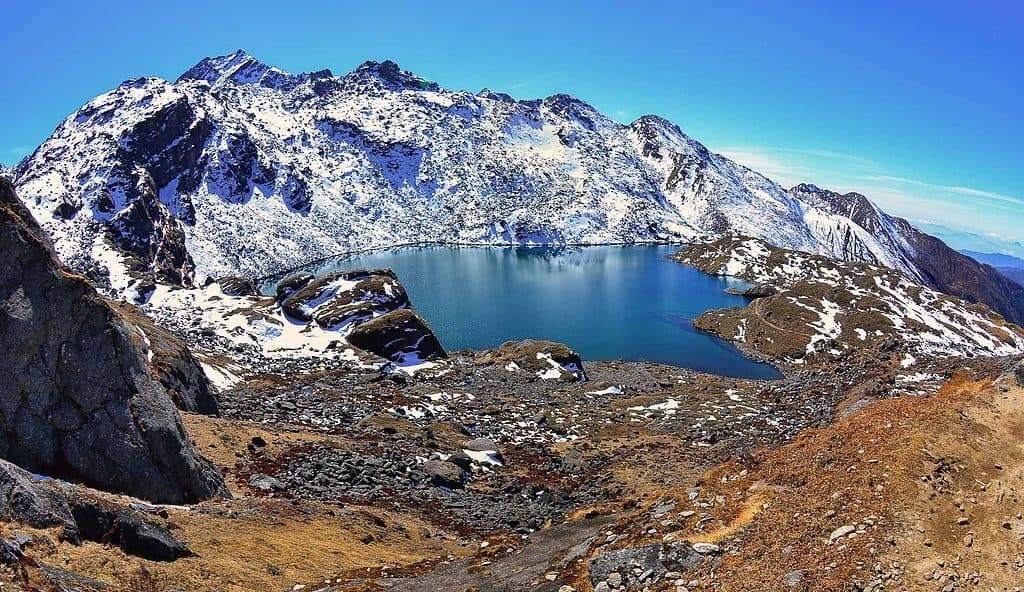
Gosainsthan, located in Banepa-6 of Kavrepalanchok, holds great religious significance and is regarded as a pilgrimage site connected to the revered Gosainkunda of Rasuwa. The name and legacy of Gosainsthan are closely associated with the spiritual aura and traditions of Gosainkunda, which further enhances its importance among Hindu and Buddhist devotees alike. The site is a symbolic alternative for those unable to undertake the challenging journey to Gosainkunda, with strong beliefs that pilgrimage and worship here yield similar spiritual merit.
Janai Purnima and Rakshya Bandhan Fair Draws Thousands
Each year, a grand religious fair is held at Gosainsthan on the occasion of Shrawan Shukla Purnima, commonly known as Janai Purnima and Rakshya Bandhan. Devotees from various districts, including Kathmandu, Lalitpur, Bhaktapur, Sindhupalchok, and different parts of Kavrepalanchok, begin preparations from the previous day to participate in the vibrant celebration. On the main day, the temple premises witness large crowds of worshippers from early morning, who gather to change their sacred threads (Janai), receive Rakshya Bandhan from Brahmins, and offer prayers at the Shiva temple.
A Confluence of Hindu, Buddhist, and Indigenous Traditions
The fair at Gosainsthan is a melting pot of diverse cultural and religious practices. Hindus engage in traditional worship and receive tika and protective threads (doro) from priests. Simultaneously, Tamang shamans and devotees perform rituals beating traditional drums (dhyangro) and expressing their spirituality in distinct ways. The Newar community brings offerings (antapat), while Brahmins conduct thread-changing rituals. One of the fair’s unique aspects is the traditional Tamang dohori (duet) singing, where men and women exchange feelings through folk songs, adding a festive charm to the sacred event.
Spiritual Alternative to Gosainkunda for Many Devotees
For many who cannot reach the high-altitude Gosainkunda, located at 14,100 feet above sea level, Gosainsthan offers a spiritually fulfilling alternative. Locals say that bathing and worshipping at Gosainsthan on Janai Purnima brings the same blessings as visiting Gosainkunda. Devotees believe that offering prayers and flowers to the water source here can lead to the fulfillment of their wishes, inner peace, and family harmony. The belief that all gods and goddesses can be spiritually connected through the sacred waters continues to draw pilgrims each year.
Growing Infrastructure and Increasing Pilgrim Turnout
The Gosainsthan Conservation Committee reports that the site has seen increasing numbers of devotees every year since the COVID-19 lockdown. Committee Chairperson Bheshraj Shah noted that the area is now more organized than in previous years, with improved infrastructure to accommodate the growing influx of pilgrims. During the fair, local markets from Budol to Gosainsthan become vibrant with trade and social activity, giving a boost to the local economy as well.
A Blend of Religion and Tourism Potential
Situated northeast of the historic town of Banepa, Gosainsthan Hill is not only sacred but also a serene destination surrounded by lush greenery. Positioned between the commercial hub of Banepa and the tourist town of Dhulikhel, Gosainsthan offers an ideal combination of spiritual retreat and natural beauty. The area has gained popularity as a religious and scenic destination thanks to the newly built observation tower at the top of the hill, which provides panoramic views and adds to the site’s overall appeal.
Adding to its cultural vitality, the establishment of the Naimisharanya Sanskrit Gurukul School in the area has contributed to the spiritual and educational atmosphere, drawing more people interested in cultural heritage and Vedic learning.
Natural Escape Amidst Urban Clamor
Due to its proximity to urban centers yet nestled within peaceful forests, Gosainsthan is often regarded as a tranquil escape. It provides a peaceful environment for meditation, religious reflection, and recreation. The Shiva temple located here is seen as a source of spiritual strength, and the serene setting amidst nature makes it a perfect destination for both religious visitors and nature lovers.
Enhancing Accessibility and Facilities
Every Friday and Saturday, visitors climb the observation tower or explore the natural beauty of the Gosainsthan area. Local resident Deepak Karki stated that ongoing development of roads, stairways, and other amenities has significantly increased visitor numbers. Recent additions include the construction of new temples such as the Mukti Nath and Hanuman temples, a bell tower, a Ramayana chanting hall, modern public toilets, and more. Plans are also underway to build a garden to further beautify the area.
Better Road Connectivity Encourages Hiking and Tourism
The recently completed paved road from the Araniko Highway through Dhulikhel–Rabiopi–Kashibhyanjyang has improved accessibility. The route offers hiking opportunities to other popular tourist destinations like Nagarkot, making Gosainsthan an attractive stop on multi-day treks. Its integration into broader trekking routes and the ongoing infrastructure enhancements make it a growing center for spiritual tourism and local pilgrimage.