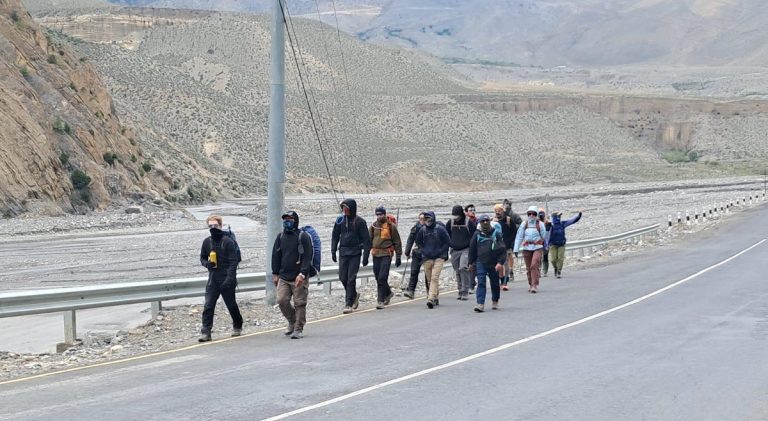
The Annapurna Conservation Area, Nepal’s most iconic trekking destination, witnessed a troubling increase in fatal altitude-related incidents in the last fiscal year. According to the Annapurna Conservation Area Project (ACAP), 18 tourists lost their lives due to altitude sickness (locally known as “lek lagne”) in various trekking destinations within the conservation area during the fiscal year 2080/81.
Among the deceased were six Nepalese nationals, eight Indian tourists, and one tourist each from the United States, Germany, South Korea, and Switzerland. ACAP Chief Dr. Rabin Kadariya confirmed that the majority of these fatalities occurred in the higher altitudes of Mustang and Manang districts, areas well known for their breathtaking Himalayan beauty, and equally notorious for rapid altitude gain.
Fatalities Beyond Altitude Sickness
In addition to deaths from altitude-related illness, four other tourists died from trekking accidents, including slips and falls during long and strenuous hikes. Dr. Kadariya emphasized that such incidents have become recurrent each year, especially in remote and rugged terrain.
“While trekking offers unmatched natural experiences, it also presents serious health and safety risks when proper precautions are not taken,” said Dr. Kadariya. He further added that the ACAP office has only started formally recording cases of altitude sickness and related fatalities in the past two years.
Sudden Ascent to Muktinath Raises Alarm
A concerning pattern noted by officials is the tendency of Indian tourists to drive directly to high-altitude destinations such as Muktinath, bypassing essential acclimatization stops. This abrupt elevation gain has proven to be dangerous.
“Travelers must not ascend to high-altitude areas in a single day,” warned Dr. Kadariya. “Proper acclimatization, including rest at intermediate altitudes, is critical. If symptoms of altitude sickness are felt, descending immediately to lower elevations is necessary for safety.”
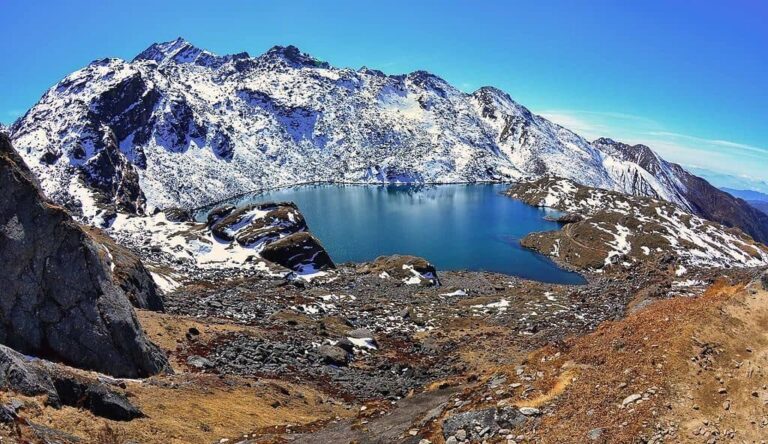
Supporting this view, Trekking Guide Diwas Gurung said, “Indian pilgrims especially tend to reach Muktinath by vehicle in a single day, and this is when symptoms start showing. Similar issues occur for those heading to Tilicho Lake in Manang, another high-altitude destination.”
Nepali Tourists Not Immune
Altitude sickness is not limited to foreign travelers. Gurung pointed out that Nepali tourists coming from the lowlands or Kathmandu Valley, especially first-time trekkers, also frequently suffer from altitude sickness when trekking to Tilicho Lake or the Thorong La Pass.
“Even domestic tourists need to understand that high-altitude travel is not just about physical strength but also about adaptation to new climatic and oxygen conditions,” he said. “The best way to prevent illness is by ascending slowly and resting frequently.” He advised trekkers not to exceed more than 500 meters of altitude gain per day.
Importance of Group Trekking and Physical Fitness
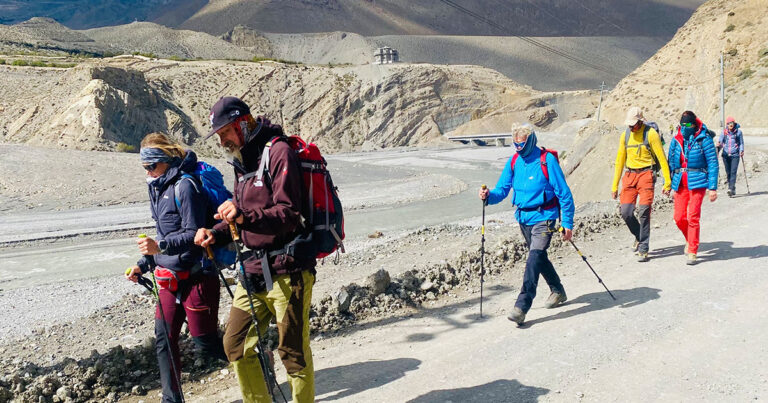
Experts emphasize that solo trekking to remote destinations is highly discouraged. Dr. Kadariya and guide Gurung both stressed the importance of trekking in groups or with a licensed guide, especially for long and unfamiliar routes.
“Whether you’re a seasoned trekker or a first-timer, having a professional trekking agency or guide enhances safety. Physical fitness, mental preparedness, and health checks are prerequisites for anyone planning a trek in the Annapurna region,” Gurung added.
A Premier Trekking Destination with Risks
The Annapurna Conservation Area continues to be a global hotspot for trekking tourism. In the last fiscal year alone, 278,113 foreign tourists visited the region. Popular destinations include Annapurna Base Camp, Mardi Himal, Sikles, Lwang, Ghandruk, Tilicho Lake, Thorong La Pass, Upper Mustang, Muktinath, and Ghorepani-Poon Hill.
Spanning 7,600 square kilometers, the Annapurna Conservation Area includes parts of Kaski, Lamjung, Manang, Myagdi, and Mustang districts, and covers 87 wards across 15 local levels. The region attracts both international and domestic tourists in large numbers annually, thanks to its stunning vistas, cultural richness, and legendary trekking routes.
A Call for Caution and Preparedness
While the Annapurna region offers an unmatched trekking experience, the rising number of fatalities due to altitude sickness and trekking accidents is a serious concern. The ACAP office, along with trekking professionals, urges all tourists to prioritize safety over speed and never underestimate the challenges of high-altitude travel.
With proper acclimatization, travel planning, group trekking, and health awareness, such tragedies can be avoided. As the Annapurna trails continue to welcome thousands each year, the goal remains clear: to make the Himalayas not only a destination of awe but also of safety and sustainability.