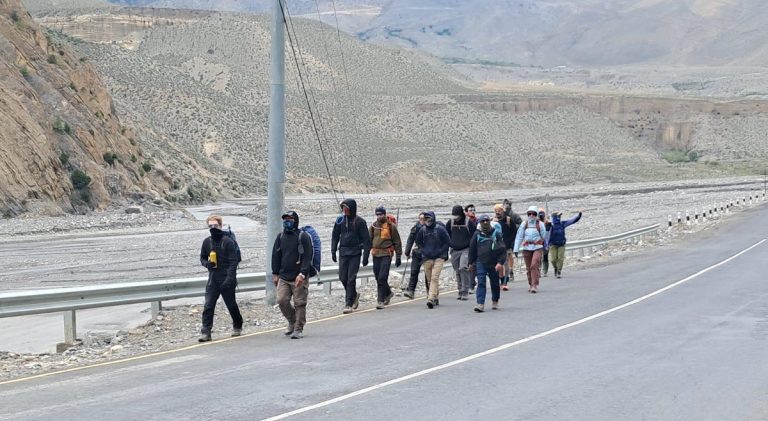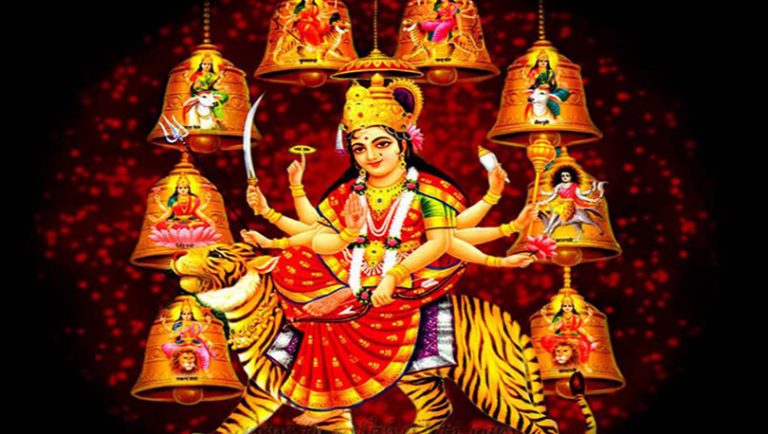
The sacred and picturesque religious sites of Badimalika and Budhinanda, located in the far-western region of Nepal, witnessed a grand spiritual gathering today as worship and festivals commenced simultaneously at multiple revered shrines. In a remarkable display of religious fervor and cultural unity, major spiritual sites including Badi Malika, Budhinanda, Sunanda, and Badalekh in Nepal’s far-western region saw a simultaneous surge of pilgrimages and ceremonial worship today. Recognized as sacred seats of faith and cultural heritage, these sites hosted thousands of devotees gathered to perform special rituals held annually on the Chaturdashi day, just before Janai Purnima.
Pilgrimage at Badi Malika Draws Massive Crowds
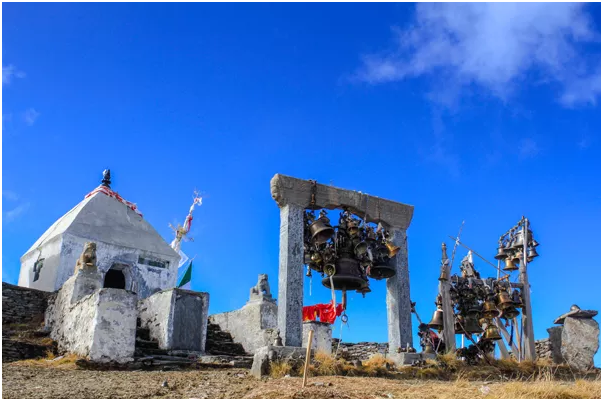
Located at a majestic altitude of 3,400 meters above sea level, the Badi Malika temple witnessed an overwhelming influx of devotees this year. Considered a highly revered Shakti Peeth, Badi Malika attracts pilgrims seeking blessings for wish fulfillment, including prayers for children by childless couples.
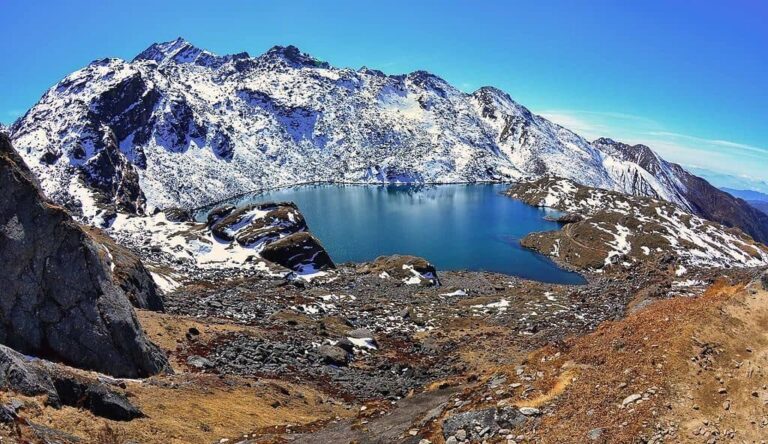
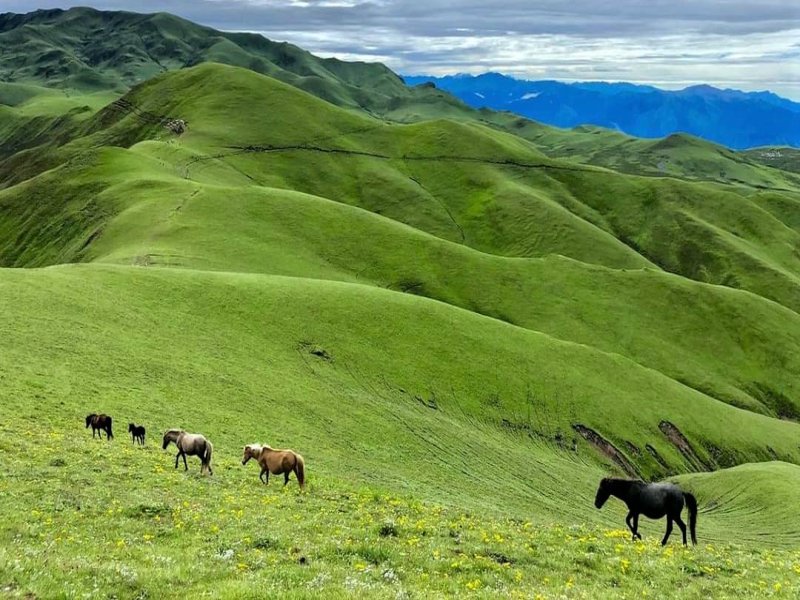
According to the temple priest, Bhanu Bhakta Padhya, the spiritual significance of the temple and its association with fulfilling desires leads to a massive crowd during this annual event. “People from different districts travel across challenging terrain to pay homage to Goddess Badi Malika. The serene highlands, alpine meadows, and panoramic landscapes also add to the spiritual experience,” he noted.
The priest further explained the unique bond between Badi Malika and Budhinanda, who are regarded as divine sisters. This sacred relationship is the reason both temples conduct joint worship on the same day.
Rich Natural and Spiritual Attractions
Badi Malika is home to 22 pastoral settlements and culturally rich landscapes such as Khetibeti and Triveni Dham. These areas serve as both pilgrimage and ecotourism destinations, offering scenic beauty alongside spiritual energy. Budhinanda, on the other hand, enchants visitors with its mythical Rakshas Lake, waterfalls, and expansive green fields.
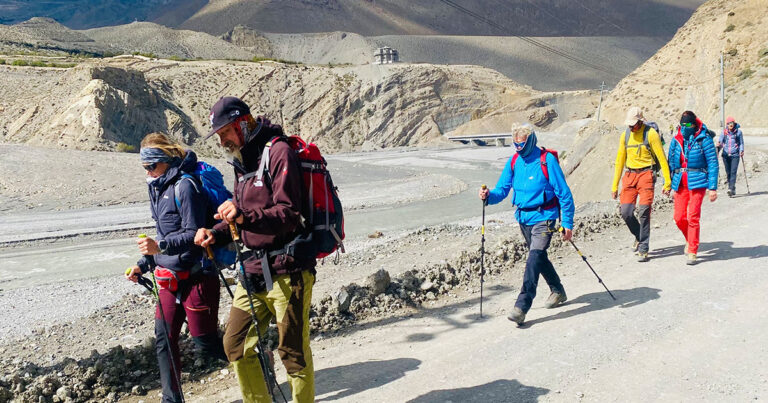
Such natural assets, combined with centuries-old spiritual customs, make these areas hubs of both religious significance and tourism potential. Each year, they draw not only devout Nepalis but also trekking enthusiasts and researchers exploring the blend of religion, culture, and ecology in the Himalayan region.
Government Rituals Representing Four Districts
Marking the cultural importance of the occasion, four districts, Doti, Jumla, Kalikot, and Bajura, performed official state-level rituals at Badi Malika today. It has become a long-standing tradition for these districts to send ceremonial delegations each year to perform the annual government worship.
These rituals, backed by local governments and traditional institutions, are aimed at preserving and promoting the spiritual legacy of Badi Malika while fostering regional unity and religious harmony.
Nepal Army’s Free Health Camps for Pilgrims
Recognizing the difficult journey and health challenges associated with high-altitude pilgrimages, the Nepali Army’s Ishwori Box Gulm (Barrack) stationed in Bajura has set up three free medical camps for the devotees. These are strategically located at Triveni Dham, the Badi Malika temple area, and along the trekking route.
Due to the temple’s high elevation, many pilgrims experience altitude sickness, dehydration, or fatigue. The army has provided free check-ups, first aid, and oxygen support to over 600 individuals so far, with services continuing until Thursday.
Rituals and Journey Back Home
Once the worship ceremonies conclude today, the pilgrims will begin their descent, stopping at Nateshwori Temple in Triveni Municipality to participate in the Janai Purnima fair. This ritual marks the conclusion of the spiritual journey, after which devotees return home with a deep sense of fulfillment and renewed faith.
These sacred events held across Badi Malika, Budhinanda, and related pilgrimage sites not only reflect Nepal’s rich spiritual heritage but also promote community bonding, local economy, and sustainable tourism. In a time when the modern world moves fast, such traditions stand as living symbols of timeless devotion and cultural resilience.