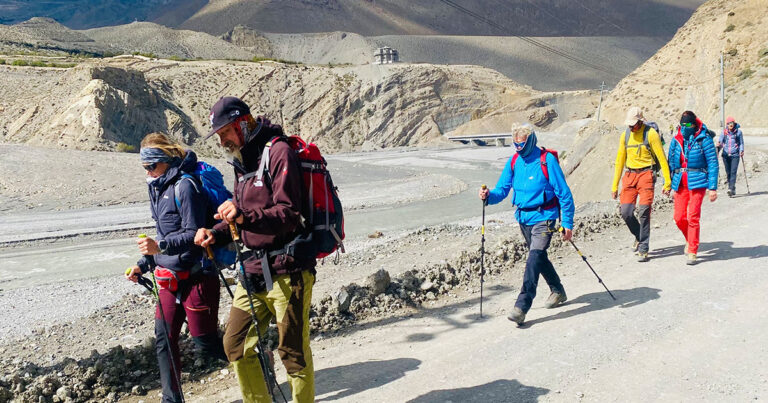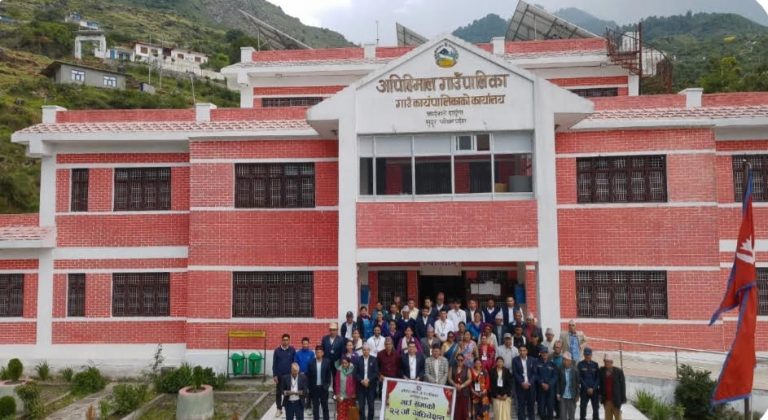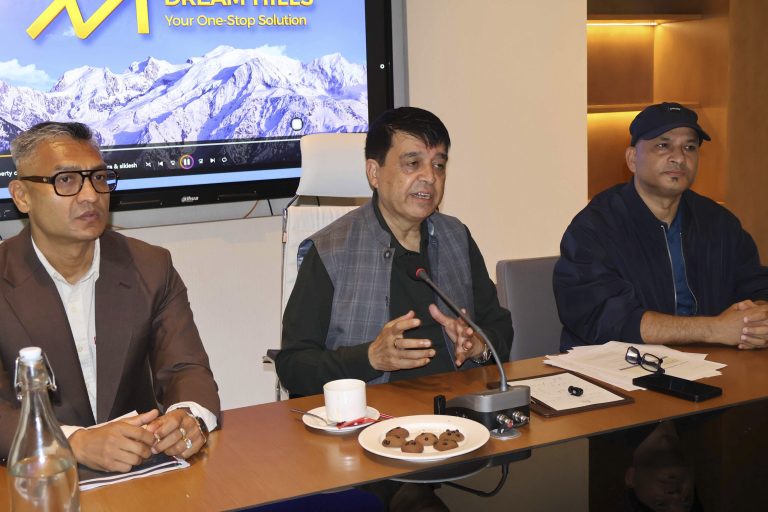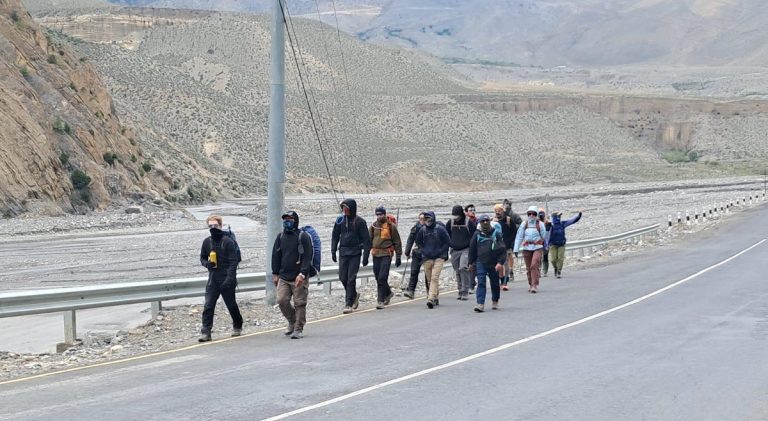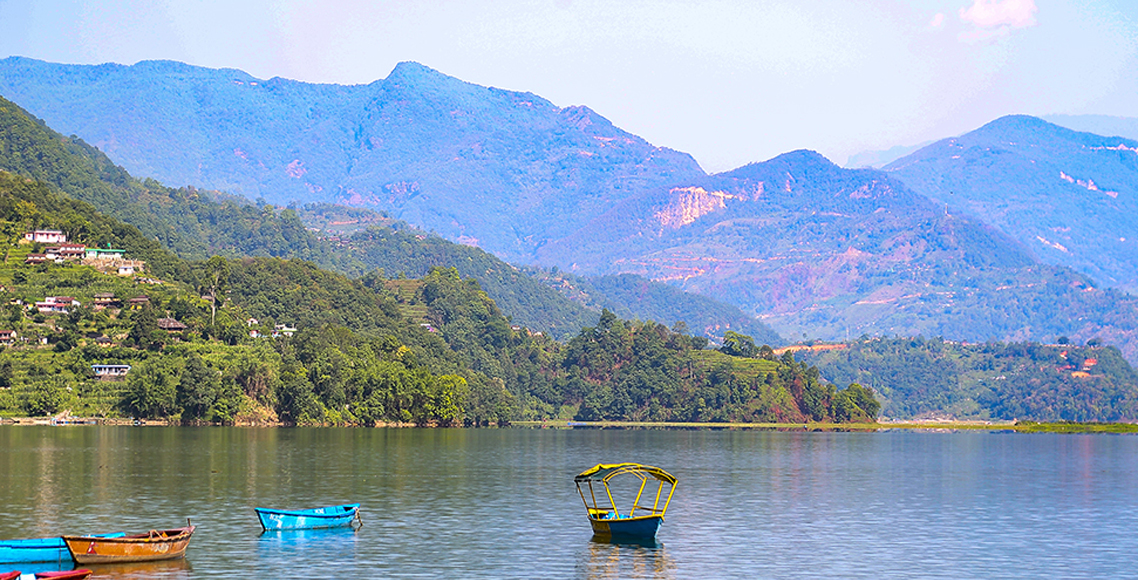
Chief Minister of Gandaki Province, Surendra Raj Pandey, has reaffirmed that the provincial government is fully committed to conserving Phewa Lake, one of Pokhara’s most iconic and valuable tourist attractions. Speaking at the closing ceremony of a 15-day training program for trekking guides and trekking porter guides, organized by the Trekking Agencies’ Association of Nepal (TAAN) Gandaki Province, Pandey highlighted the importance of protecting this natural treasure for the sustainable growth of tourism.
Phewa Lake as a National Tourism Jewel
Addressing the event in Pokhara today, Chief Minister Pandey described Phewa Lake as a “national tourism jewel” that requires collective attention from the government, tourism stakeholders, and local communities. He noted that as Pokhara has been declared the “Tourism Capital” of Nepal, the responsibility of protecting and developing its prime destinations lies heavily on the shoulders of the provincial government.
“The preservation of Phewa Lake is not just a local concern but a national priority,” Pandey said. He stressed that tourism-related organizations must also play an equally significant role in ensuring that the lake remains an attraction for generations to come.
Promoting Longer Tourist Stays
Pandey emphasized the need for collaboration between the government and tourism entrepreneurs to create promotional programs aimed at encouraging visitors to extend their stays in Pokhara and surrounding destinations. He explained that by developing better facilities, organizing cultural events, and promoting adventure activities, the tourism sector can generate greater economic benefits for the region.
The Chief Minister also revealed that the government is taking concrete steps to address land ownership issues within the lake’s designated conservation area. “We are currently working on demarcating the lake boundaries in accordance with the court’s directives,” he said. “For private lands that fall within the conservation standard, the owners will be provided with appropriate compensation.”
Land Compensation for Affected Owners
Pandey explained that this process involves both technical surveys and community consultations to ensure fairness and transparency. He stated that the land demarcation process is already underway, and once completed, compensation payments will be made to those whose registered property lies within the officially defined conservation area.
“This is a necessary step not only to implement the court’s order but also to maintain the environmental integrity of Phewa Lake,” he added.
Boosting Tourism Through Skilled Manpower
Minister for Forests and Tourism of Gandaki Province, Mitra Lal Basyal, also addressed the program, stating that such training initiatives are instrumental in improving the overall tourism experience. According to him, providing professional trekking guide and porter guide training will make it easier for both domestic and international tourists to explore trekking routes safely and enjoyably.
Basyal expressed optimism that with 300 individuals receiving training at once, the province would see a significant improvement in service quality along trekking routes. This, he noted, would help in both the promotion and development of tourism in Gandaki Province, ultimately leading to job creation and economic growth.
Stakeholders Call for Unified Effort
The closing ceremony brought together a range of tourism stakeholders, each stressing the importance of joint efforts in tourism development. Bishnu Bahadur Bhattarai, Ward Chairperson of Pokhara Metropolitan City-6, called for active participation of local communities in maintaining cleanliness and hospitality standards to strengthen Pokhara’s appeal.
Pokhara Tourism Council President, Taranath Pahari, highlighted the need for coordinated marketing campaigns to reach international markets. Former board member of the Nepal Tourism Board, Ganesh Bahadur Bhattarai, echoed this sentiment, stating that aligning the efforts of government bodies, tourism associations, and private entrepreneurs is the key to achieving sustainable growth.
Other notable figures, including TAAN Gandaki advisors Dambar KC, Ajay Dhakal, Maniraj Lamichhane, Indra Kaji Gurung, Tirtha Subedi, and Krishna Acharya, spoke about the potential of Gandaki Province as a hub for adventure tourism, cultural exploration, and natural heritage. They urged the government to continue investing in infrastructure, environmental conservation, and skill development programs for tourism professionals.
Pokhara’s Role as the Tourism Capital
Pokhara, already famed for its breathtaking landscapes, lakes, and proximity to the Annapurna mountain range, is increasingly being positioned as the gateway to Nepal’s adventure tourism. Declaring the city as the “Tourism Capital” of Nepal has raised expectations for world-class facilities, improved accessibility, and sustainable management of natural attractions like Phewa Lake, Begnas Lake, and Sarangkot.
The Gandaki provincial government has been working on various projects to enhance visitor experiences, including upgrading trekking trails, improving lakefront amenities, and promoting eco-friendly tourism practices. Pandey said that these initiatives will continue alongside conservation measures to ensure that development does not come at the cost of environmental degradation.
Balancing Development and Conservation
One of the recurring themes in the speeches was the need to strike a balance between tourism development and environmental protection. While there is a push to attract more visitors and extend their stays, stakeholders agreed that unchecked development could harm the very assets that draw tourists to the region.
Chief Minister Pandey concluded by reaffirming the government’s commitment to policies that foster both growth and sustainability. “Our goal is to make Pokhara and Gandaki Province not just a temporary travel stop but a lasting destination in the hearts of tourists worldwide,” he said.