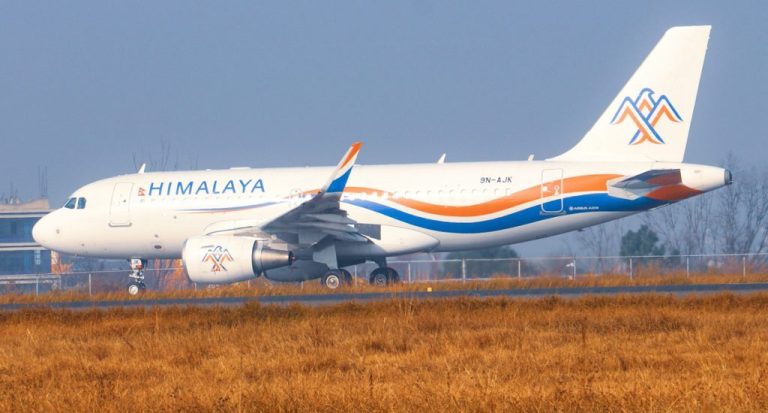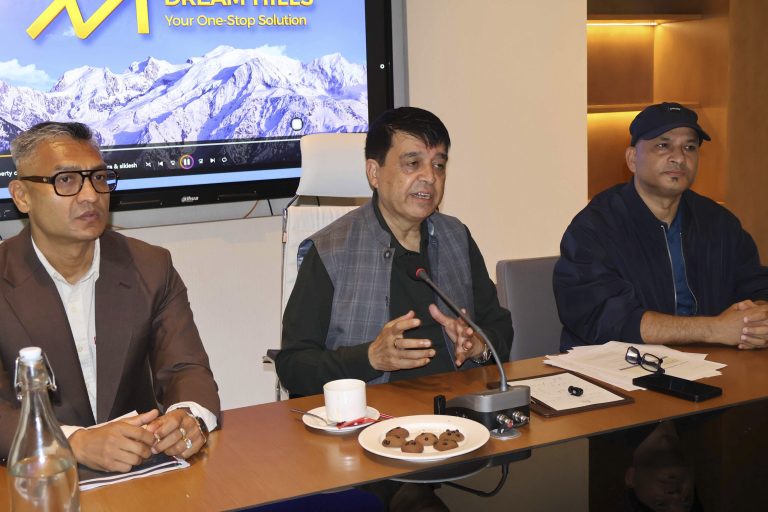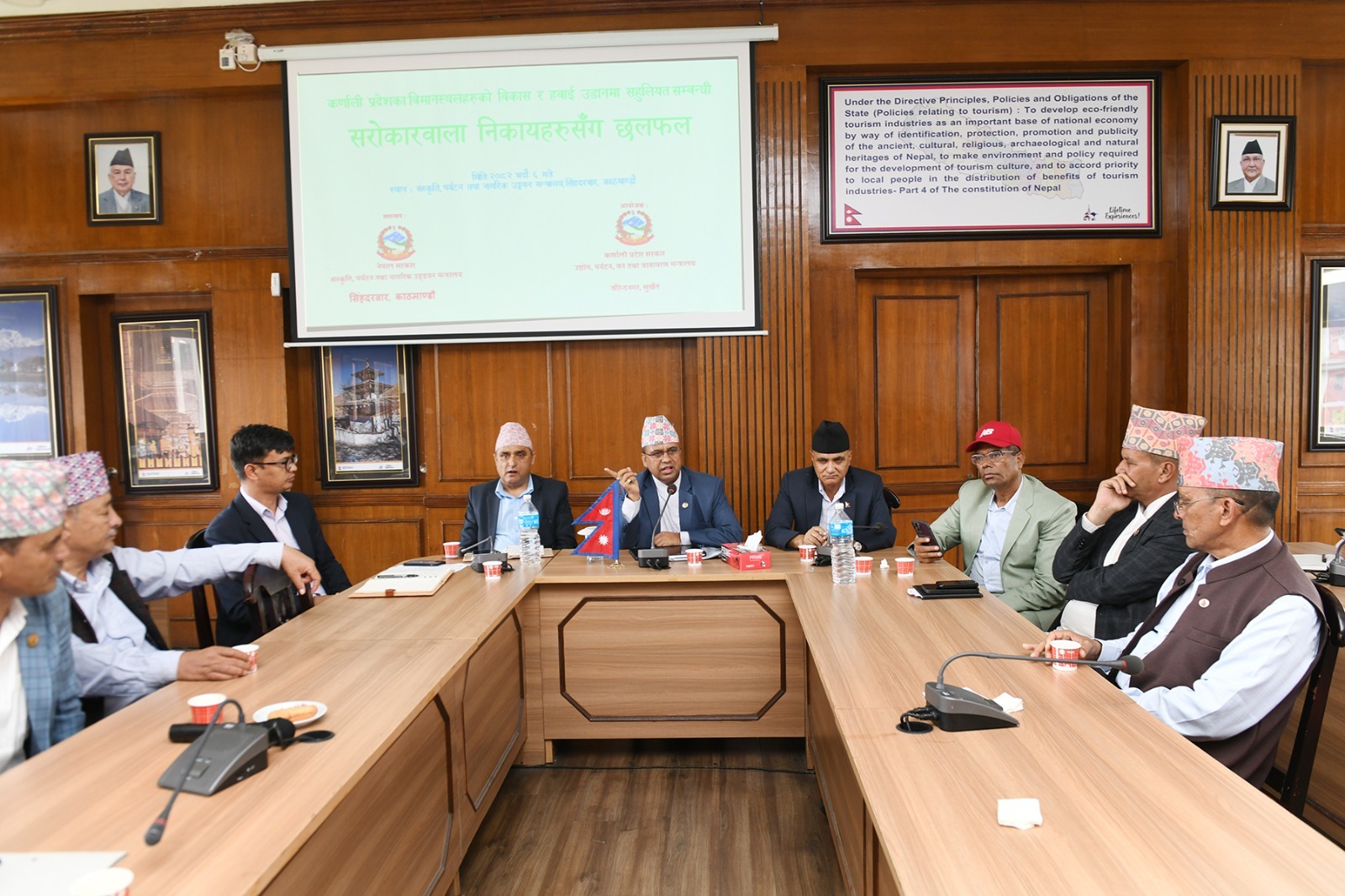
Culture, Tourism, and Civil Aviation Minister Badri Pandey has expressed concern over the shortage of Twin Otter aircraft, which has disrupted regular air services to Himalayan and hilly districts. Speaking at a high-level discussion program held at Surkhet Airport on Friday, Minister Pandey stressed that without adequate aircraft, it is difficult to ensure consistent connectivity to remote areas where air travel remains a necessity.
Karnali Leaders Call for Reliable Air Connectivity
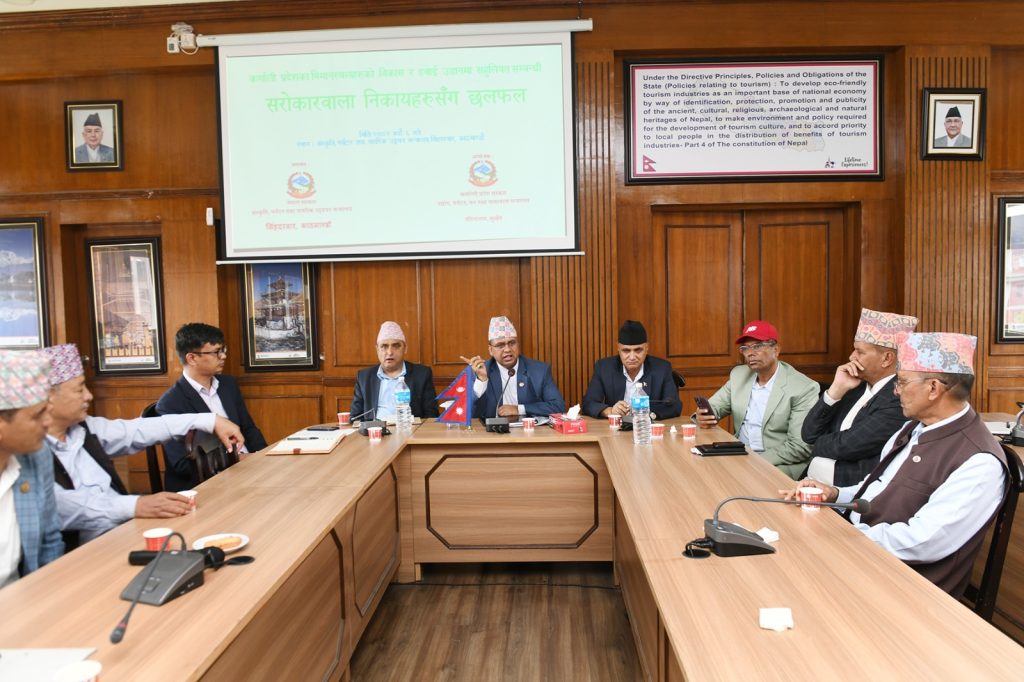
The event was organized to address the operation of flights from Surkhet to various districts in the Karnali Province. A team led by Karnali Province Chief Minister Yam Lal Kandel had drawn the federal government’s attention to the irregularity of flights operating from Surkhet as a base. The discussion was attended by Chief Minister Kandel, former Chief Minister Jeevan Bahadur Shahi, provincial ministers, and representatives from relevant agencies.
Participants highlighted that road networks have only recently reached some hilly districts of Karnali, and due to the challenging geography, air services remain indispensable. Chief Minister Kandel expressed the provincial government’s readiness to cooperate but urged for a concrete action plan to ensure consistent operations. He also emphasized the need to honor commitments made during licensing processes and proposed developing Surkhet Airport as a “Twin Otter Hub” to serve the region more efficiently.
Airlines Cite Passenger Shortages
Representatives from Sita Airlines noted that a lack of sufficient passengers has made it difficult to operate regular flights. While some flights are being conducted from Surkhet to destinations such as Jumla and Simikot, the airline indicated that they can only operate when there are enough passengers to fill the aircraft. The representative also urged the government to provide special subsidies for flights to remote destinations to ensure operational viability.
Civil Aviation Authority Sees Hub Potential
Civil Aviation Authority of Nepal (CAAN) Director General Pradeep Adhikari stated that Surkhet Airport has the potential to be developed into a regional hub. He suggested that regular flights to various remote districts could be made possible through cooperation between Nepal Airlines and private airlines, with Surkhet serving as the central base.
Minister Pandey Acknowledges Aircraft Shortage
Responding to the issues raised, Minister Pandey admitted that the lack of Twin Otter aircraft has been the main obstacle to expanding services to remote districts. “We will reach a conclusion on whether it is technically feasible to operate flights from Surkhet as a base only after discussions with the concerned authorities,” he said.
Minister Pandey revealed that the ministry has already proposed to the relevant parliamentary committee the purchase of seven new Twin Otter aircraft, one for each province, to address the shortage. The plan includes acquiring the aircraft through a transparent model and operating them in collaboration with the private sector to expand services. “The problem cannot be solved with only the two Twin Otters currently in Nepal Airlines’ fleet. We must think long-term and add more aircraft,” he emphasized.
Limited Fleet Amid Growing Needs
Highlighting the broader challenge, Minister Pandey pointed out that Nepal has 53 airports nationwide, yet only a limited number of aircraft are currently in operation. “Our country has 53 airports, but the number of Twin Otter planes is decreasing. If this continues, life for people in remote areas will become even more difficult,” he said. He also noted that apart from airports in Humla and Lukla, most other rural airports remain largely inactive due to limited flight availability.
Need for a Long-Term Aviation Strategy
Minister Pandey stressed that the situation requires a comprehensive long-term aviation strategy, not just short-term fixes. He underscored the importance of ensuring that people living in geographically isolated regions have reliable access to essential services, markets, and emergency transportation through air connectivity. He further stated that the government is committed to working with both state-owned and private operators to create a sustainable model for remote air service.
Way Forward
The discussion concluded with a shared understanding among stakeholders that Surkhet could play a pivotal role in improving connectivity for Karnali Province if developed into a Twin Otter hub. Provincial and federal authorities, along with airline operators and the Civil Aviation Authority, are expected to follow up with technical and financial planning to address the shortage and operational challenges.
Minister Pandey reiterated his ministry’s commitment to resolving the aircraft shortage and ensuring consistent service to remote districts. “We will move forward with clear planning, transparent procurement, and strong coordination with all stakeholders,” he assured.