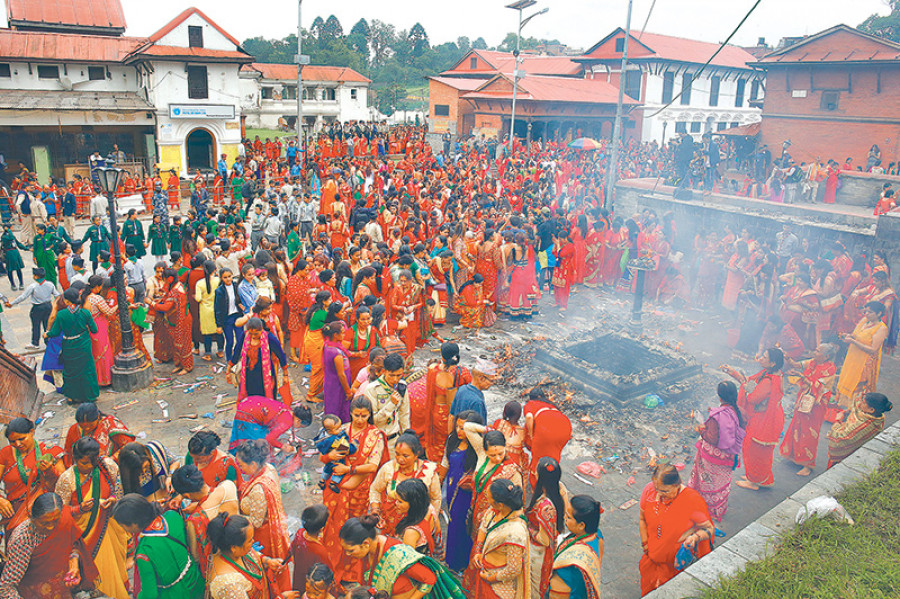
Haritalika Teej is one of the most vibrant and culturally significant festivals celebrated primarily by Hindu women in Nepal and parts of India, especially in the northern states. Known for its deep spiritual roots, colorful traditions, and communal bonding, this festival is dedicated to Goddess Parvati and her union with Lord Shiva. Haritalika Teej is more than just a celebration, it is a symbol of devotion, marital harmony, and the enduring power of faith.
Historical and Mythological Origins
The origin of Haritalika Teej is rooted in ancient Hindu mythology, particularly in the story of Goddess Parvati’s penance to marry Lord Shiva. According to legend, Parvati, the daughter of King Himavan, was destined to marry Vishnu as per her father’s arrangement. However, she desired to wed Lord Shiva, the ascetic god of the Himalayas. To escape the marriage arranged by her father, Parvati’s friends abducted her and took her into a dense forest. There, she performed severe penance without food or water, praying wholeheartedly for Lord Shiva’s acceptance.
Moved by her unwavering devotion, Lord Shiva appeared before her and granted her wish to become his consort. The term “Haritalika” comes from two Sanskrit words, Harit (abduction) and Aalika (female friend), referring to the act of her friends taking her away to fulfill her heart’s desire. This sacred union is celebrated annually as Haritalika Teej, reminding women of the importance of determination, faith, and self-respect.
Religious Significance
Haritalika Teej holds immense spiritual significance for Hindu women. On this day, married women fast and pray for the long life and prosperity of their husbands, while unmarried women observe the fast to be blessed with an ideal life partner, just as Goddess Parvati found Lord Shiva. The fast is strict, often observed without consuming food or even water (known as nirjala vrata), symbolizing discipline, dedication, and spiritual purity.
The festival also emphasizes the worship of the Shiva-Parvati bond, which is considered the epitome of marital love and fidelity in Hindu culture. Women visit temples, especially Shiva shrines, to offer prayers, flowers, and holy water. In Nepal, the Pashupatinath Temple becomes a major pilgrimage site during Teej, drawing thousands of devotees dressed in red saris and adorned with traditional jewelry.
Rituals and Celebrations
The celebration of Haritalika Teej typically spans three days and includes a blend of religious rituals, cultural performances, and social gatherings.
- Dar Khane Din (The Feasting Day):
The festivities begin a day before the fast, known as Dar Khane Din. Women gather with friends and family to enjoy a lavish feast that includes rice pudding, meat dishes, sweets, and fruits. This day is marked by singing, dancing, and storytelling, strengthening social bonds and spreading joy before the rigorous fasting day. - Fasting and Worship:
On the main day of Teej, women dress in bright red attire, symbolizing marital bliss and feminine energy. They adorn themselves with green bangles, glass beads (pote), and henna designs. The fast is observed with complete devotion, and women spend the day in temples offering prayers to Lord Shiva and Goddess Parvati. Bhajans (devotional songs) and dances are an integral part of the day, creating a spiritually uplifting atmosphere. - Rishi Panchami:
The third day of Teej is dedicated to Rishi Panchami, a day of ritual purification. Women perform bathing and worship to honor the sages (Rishis) and cleanse any ritual impurities. This is also considered a way of seeking forgiveness for any mistakes made in observing religious customs.
Cultural and Social Dimensions
Beyond its religious essence, Haritalika Teej is also a cultural event that strengthens community ties. It is a platform for women to express themselves through traditional songs and dances, many of which convey themes of love, separation, social issues, and women’s aspirations. In rural areas, these gatherings also serve as an informal space for women to discuss matters of family, rights, and empowerment.
The festival’s emphasis on fasting and devotion often becomes a metaphor for resilience and inner strength. In recent years, Haritalika Teej has also evolved to address contemporary issues, with women using the occasion to raise awareness about gender equality, domestic violence, and education for girls.
Haritalika Teej in Modern Times
While the essence of Haritalika Teej remains rooted in tradition, its form has adapted with time. In urban areas, the celebrations are more organized, with community halls, cultural programs, and coordinated temple visits. Media coverage and social media platforms have amplified the reach of the festival, making it not only a religious event but also a showcase of Nepali heritage to the world.
There is also a growing dialogue on the health aspects of fasting, with some women choosing a milder form of the ritual due to medical concerns. Yet, the festival’s popularity continues to grow, transcending religious boundaries and attracting even non-Hindus to participate in its vibrant celebrations.
The Timeless Message of Haritalika Teej
At its heart, Haritalika Teej is more than a religious observance, it is a celebration of devotion, loyalty, friendship, and the unyielding strength of women. The story of Goddess Parvati’s determination serves as a timeless reminder that personal willpower and unwavering belief can overcome societal pressures.
For married women, it reinforces the bond of love and mutual respect with their spouses; for unmarried women, it symbolizes hope and aspiration for a fulfilling relationship. And for society as a whole, it represents the importance of preserving traditions while adapting to changing times.
Haritalika Teej is a festival that bridges mythology and modernity, faith and culture, personal devotion and collective celebration. Its vibrant colors, soulful songs, and deep spiritual resonance make it a cherished event in the Hindu calendar. Whether observed in the serene hills of rural Nepal or the bustling cities, Haritalika Teej continues to inspire generations with its rich history, profound symbolism, and unbreakable spirit of womanhood.