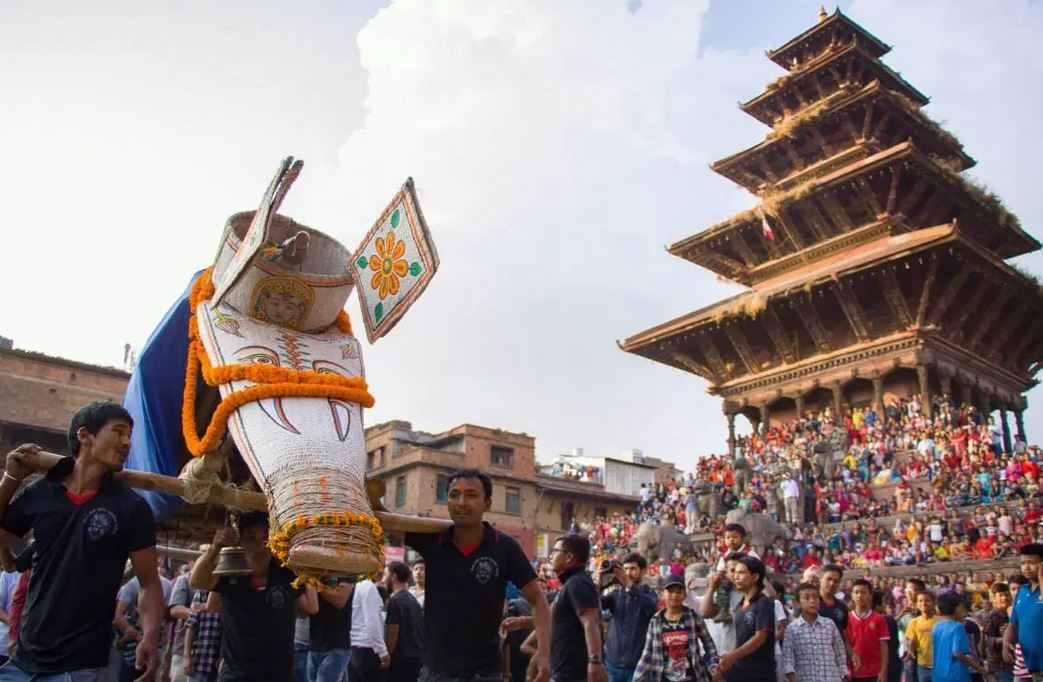
Indra Jatra, one of the most significant festivals in the Kathmandu Valley, has officially begun in Bhaktapur district from today. Celebrated for eight days, the festival holds deep religious and cultural significance, particularly among the Newar communities. Known as the festival of rain and good harvest, Indra Jatra is observed with grandeur, colorful rituals, and lively public participation. The festival traditionally starts on Bhadra Shukla Dwadashi with the installation of a towering wooden pole, locally known as the lingo, in various towns of Bhaktapur. This pole symbolizes Lord Indra, the god of rain, and is called Yambo:Dho in Nepal Bhasa, the Newar language.
Symbolism of the Lingo and Rituals
The erection of the lingo marks the official commencement of the festivities. The pole, often prepared from a single tree trunk, is carefully selected, transported, and ritually purified before being raised in a ceremonial event that draws large crowds. The act of installing the lingo is believed to invite blessings from Lord Indra for timely rain, ensuring good harvests for the year ahead. This symbolic gesture also pays homage to ancient agrarian traditions, linking the festival to the livelihood and prosperity of the community.
Cultural Performances: Lakhe Naach and Pulu Kisi Procession
Throughout the eight days of celebration, Bhaktapur comes alive with traditional dances, music, and processions. One of the most captivating performances is the Lakhe Naach, a mask dance performed by dancers portraying the demon Lakhe. This dance symbolizes the triumph of good over evil and is performed along the main streets to entertain and bless the spectators. Another highlight is the Pulu Kisi procession, where a person disguised as a white elephant roams the city, symbolizing the celestial elephant Airavata, which is associated with Lord Indra. The playful antics of Pulu Kisi delight the crowd, particularly children, and add a vibrant, joyful spirit to the festival.
The Majestic Chariot Processions
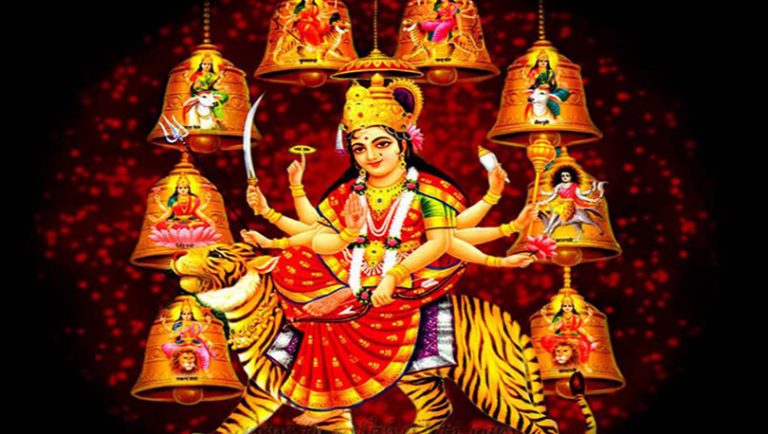
The chariot procession is the centerpiece of Indra Jatra celebrations. It features a large chariot carrying the living goddess Kumari, accompanied by two smaller chariots of Lord Ganesh and Lord Bhairab. These chariots are pulled through the narrow streets and open squares of Bhaktapur, with thousands of devotees and onlookers participating in the event. The chariot of Kumari, adorned with flowers and traditional decorations, is a major attraction, symbolizing purity, power, and divine protection. The pulling of the chariots is considered an act of devotion, believed to bring good fortune to those who take part.
Tradition of State Participation
Historically, the festival has been marked by the participation of the head of state, who visits and offers worship to the living goddess Kumari, along with Lord Ganesh and Lord Bhairab. This tradition underscores the importance of Indra Jatra not only as a cultural celebration but also as an event of national and spiritual significance. It reflects the deep interconnection between religion, governance, and culture in Nepal’s historical context.
Mythological Significance and Origins
According to cultural expert Om Dhaubhadel, Indra Jatra commemorates the victory of the gods over demons in their quest to rescue Jayanta, the son of Lord Indra. The festival also serves as an expression of gratitude to Lord Indra for his benevolence in providing rain, which sustains life and agriculture. Mythological tales surrounding Indra Jatra are passed down through generations, enriching the festival with stories of divine intervention, heroism, and community solidarity.
Celebration Beyond Bhaktapur
While Bhaktapur is renowned for its grand observance of Indra Jatra, the festival is also celebrated in other districts such as Kavrepalanchowk and Dolakha. In these regions, similar rituals are performed, though on a smaller scale, keeping alive the shared cultural heritage of the Newar community and the broader Nepali society.
The Main Day: Indra Jatra Proper
The most important day of the festival, known as Indra Jatra proper, falls on Bhadra Shukla Chathurdashi, the fourth day of the waxing moon in the month of Bhadra according to the lunar calendar. On this day, processions, rituals, and offerings reach their peak. The streets are filled with devotees carrying offerings, musicians playing traditional instruments, and performers enacting age-old rituals. It is a day when spiritual devotion, cultural pride, and communal harmony merge into one grand celebration.
A Blend of Faith, Culture, and Community Spirit
Indra Jatra is not merely a festival; it is a living testament to the enduring traditions of the Newar people and the rich cultural tapestry of Nepal. It strengthens social bonds, fosters a sense of belonging, and bridges the past with the present through ritual continuity. For residents and visitors alike, the festival offers a captivating glimpse into Nepal’s intangible cultural heritage—where every dance, song, and offering carries a story that has survived the passage of centuries.
As Bhaktapur embarks on another year of Indra Jatra festivities, the city becomes a stage where myth, history, and community spirit converge, reaffirming the timeless relevance of this festival of rain and good harvest.