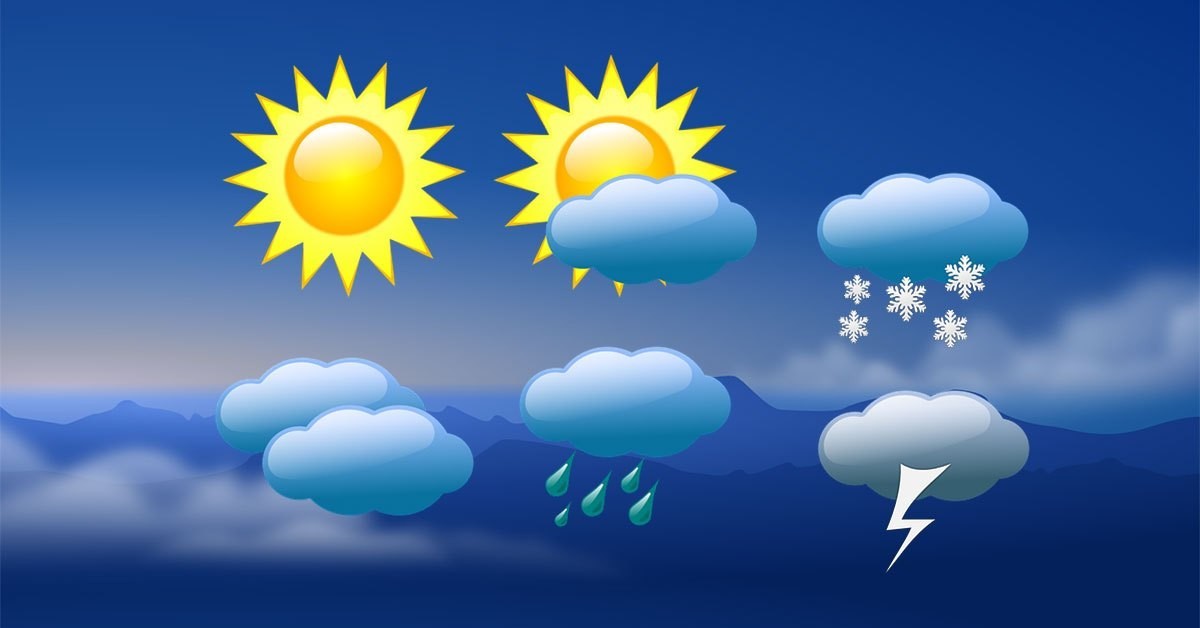
Heavy rainfall is forecasted in most parts of Gandaki, Lumbini, and Karnali provinces, with additional chances of heavy rain in one or two locations in Koshi and Bagmati provinces. The Weather Forecasting Division has reported that the low pressure monsoon trough is currently positioned in its average alignment across the region. In addition, Nepal is experiencing the impact of moisture-laden winds from both the Arabian Sea and the Bay of Bengal, which has intensified cloud cover and rainfall activity.
According to the Division, the combined effect of these systems will keep the weather generally cloudy nationwide throughout the day. While scattered light showers have already been reported in several areas, forecasts indicate that different regions of the country are likely to see moderate to heavy rainfall in the next 24 hours.
Chances of Moderate Rainfall
Forecasters have highlighted that there are chances of moderate rainfall at one or two places across the hilly and Tarai regions. Such rainfall is expected to bring some relief from the heat in the plains, but it could also contribute to waterlogging in urban areas where drainage remains poor.
Moderate rain will also play a crucial role in maintaining soil moisture levels, which is beneficial for ongoing agricultural activities. However, the Division has cautioned that sudden downpours could affect road transport, especially along hillside highways prone to landslides.
Heavy Rainfall Expected in Several Provinces
The Division has issued alerts for heavy rainfall across multiple provinces. According to the forecast, most parts of Gandaki, Lumbini, and Karnali provinces are likely to witness heavy showers. In addition, one or two places in Koshi and Bagmati provinces are also expected to receive intense rainfall.
Such weather conditions may increase the risk of landslides in mountainous areas and flash floods in river-fed plains. Authorities have urged residents in vulnerable settlements to remain cautious and follow local disaster management instructions.
Very Heavy Rainfall in Gandaki Province
Adding to the warning, the Division has specifically pointed out that one or two locations within Gandaki Province are at high risk of experiencing very heavy rainfall today. This means that isolated areas could receive downpours exceeding the typical heavy rainfall threshold, which could lead to rapid river swelling, flash floods, or landslides.
Districts such as Kaski, Gorkha, and Lamjung, already prone to monsoon-related disasters, may need to prepare for heightened risks. The Division has advised local authorities to monitor rivers and vulnerable slopes closely.
Weather Outlook for Tonight
As the day progresses, the weather pattern is expected to remain generally cloudy across the country. During the night, moderate rain is likely to occur in different parts of the hilly and Tarai regions, while heavy showers may persist in some pockets.
The forecast suggests that Koshi, Madhesh, Bagmati, Gandaki, and Lumbini Provinces will continue to see widespread rainfall. Meanwhile, a few places in the remaining provinces are also likely to receive moderate showers.
Extended Warnings for Provinces
The Weather Forecasting Division further clarified that heavy rainfall remains possible in Gandaki, Lumbini, and Karnali provinces, as well as one or two places in Koshi and Bagmati provinces. This extended warning highlights that several areas will remain under close watch for possible flood or landslide triggers.
Residents living near riverbanks or in flood-prone regions have been urged to exercise caution. Similarly, long-distance travelers are advised to stay updated on road conditions, as heavy rainfall could lead to traffic disruptions, particularly along highways connecting the hills and plains.
Implications for Agriculture and Daily Life
While heavy rainfall carries disaster risks, the forecast also holds some positive implications for agriculture. Consistent showers across Nepal’s farmlands help sustain paddy fields and other seasonal crops during this peak monsoon period. Farmers in the Tarai, who rely heavily on timely rainfall, may see improved crop yields due to adequate soil moisture.
On the other hand, urban centers such as Kathmandu, Pokhara, and Butwal may face waterlogging and traffic congestion as rainfall continues. Municipal authorities have been requested to clear drainage systems and respond promptly to flood complaints from residents.
Preparedness and Caution Advised
Meteorologists emphasize that Nepal is in a sensitive phase of the monsoon season, when both beneficial and destructive impacts of rainfall are at play. The public has been urged to remain prepared for rapid weather changes, stay alert to official updates, and avoid unnecessary travel during heavy showers.
The National Disaster Risk Reduction and Management Authority (NDRRMA) has already circulated notices to provincial and local authorities, advising them to remain vigilant and ready to mobilize emergency response teams if required.
With the monsoon trough in its average position and moisture inflows from both the Arabian Sea and the Bay of Bengal, Nepal is set to experience widespread rainfall over the next 24 hours. While this supports agriculture and relieves heat, the forecast of heavy to very heavy rainfall in provinces such as Gandaki, Lumbini, and Karnali underlines the risk of floods and landslides. Residents across the country are advised to stay updated on weather bulletins, remain alert in vulnerable areas, and prioritize safety as Nepal navigates the peak of its monsoon season.