The Nepal Rastra Bank (NRB) has issued a directive requiring casinos and similar institutions to obtain formal authorization before conducting any foreign currency transactions, including dealings in Indian currency. The announcement, released by the Foreign Exchange Management Department on Friday, emphasizes that operating without proper licensing is against the law under the Foreign Exchange (Regulation) Act, 2019 (B.S.).
Licensing Requirement for Casinos
Under the Foreign Exchange Transaction License and Inspection Regulation, 2077 (Second Amendment), casinos intending to conduct currency-related transactions must secure a license from NRB. The regulations specify that each casino must submit a bank guarantee of Rs. 25 lakhs per transaction location for a period of two years and pay a license fee of Rs. 100,000. For license renewal, an additional bank guarantee of Rs. 25 lakhs is required, ensuring continued compliance with NRB regulations.

Casinos operating games solely through electronic or mechanical equipment fall under a separate provision, which requires a bank guarantee of Rs. 10 lakhs per location and a license fee of Rs. 50,000. Licenses must be renewed before the two-year period expires, and failure to do so can result in legal penalties and suspension of operations.
Ensuring Compliance and Financial Integrity
The NRB notice emphasizes that these measures aim to strengthen regulatory oversight and ensure that all institutions engaging in foreign exchange activities operate within the legal framework. The central bank has urged all concerned institutions to strictly follow these regulations and refrain from conducting any form of foreign currency transactions without proper authorization.
“This directive is intended to promote financial transparency and integrity, prevent unauthorized currency dealings, and align casino operations with Nepal’s broader foreign exchange management policies,” an NRB spokesperson said.
Implications for the Casino Industry
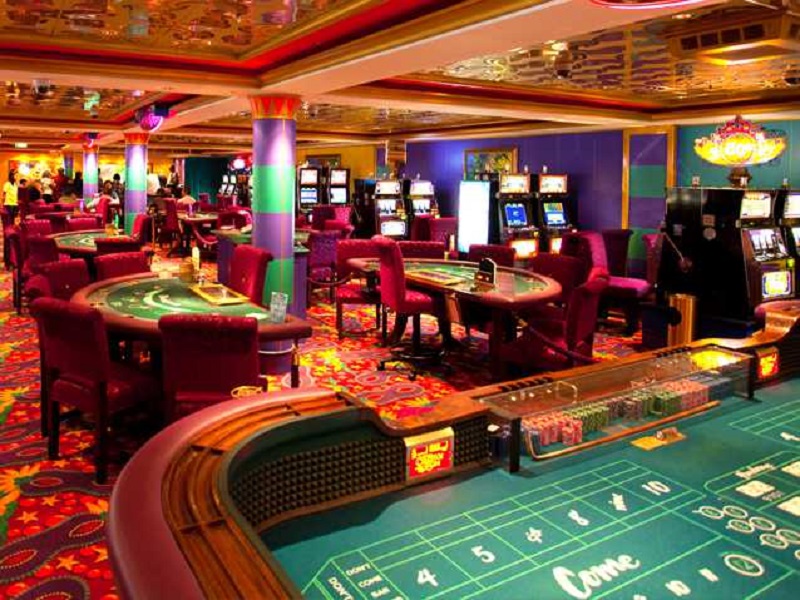
Casinos, which increasingly handle foreign currency transactions due to international clientele and tourism, now face the responsibility of securing NRB licenses and maintaining bank guarantees. This move is expected to enhance monitoring of foreign currency flows in the sector and prevent any misuse of foreign funds.
By requiring substantial bank guarantees, the NRB ensures that institutions remain financially accountable while engaging in foreign exchange activities. The license provisions also allow the central bank to inspect and regulate operations effectively, safeguarding both institutional interests and national financial stability.

Moving Forward
The NRB’s instruction highlights the importance of legal compliance for businesses operating in financial sectors that involve foreign currencies. Institutions that fail to adhere to these regulations may face strict penalties, including fines and operational restrictions.
The central bank has reminded all casino operators and similar institutions to initiate the licensing process promptly and ensure that foreign exchange activities are conducted only after securing the necessary approvals. By implementing these regulations, NRB aims to maintain orderly foreign exchange practices, protect national currency interests, and foster a transparent and accountable gaming industry in Nepal.