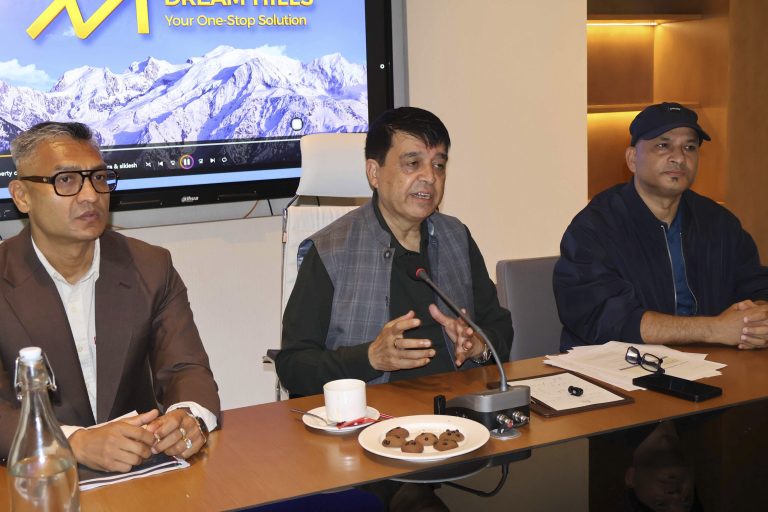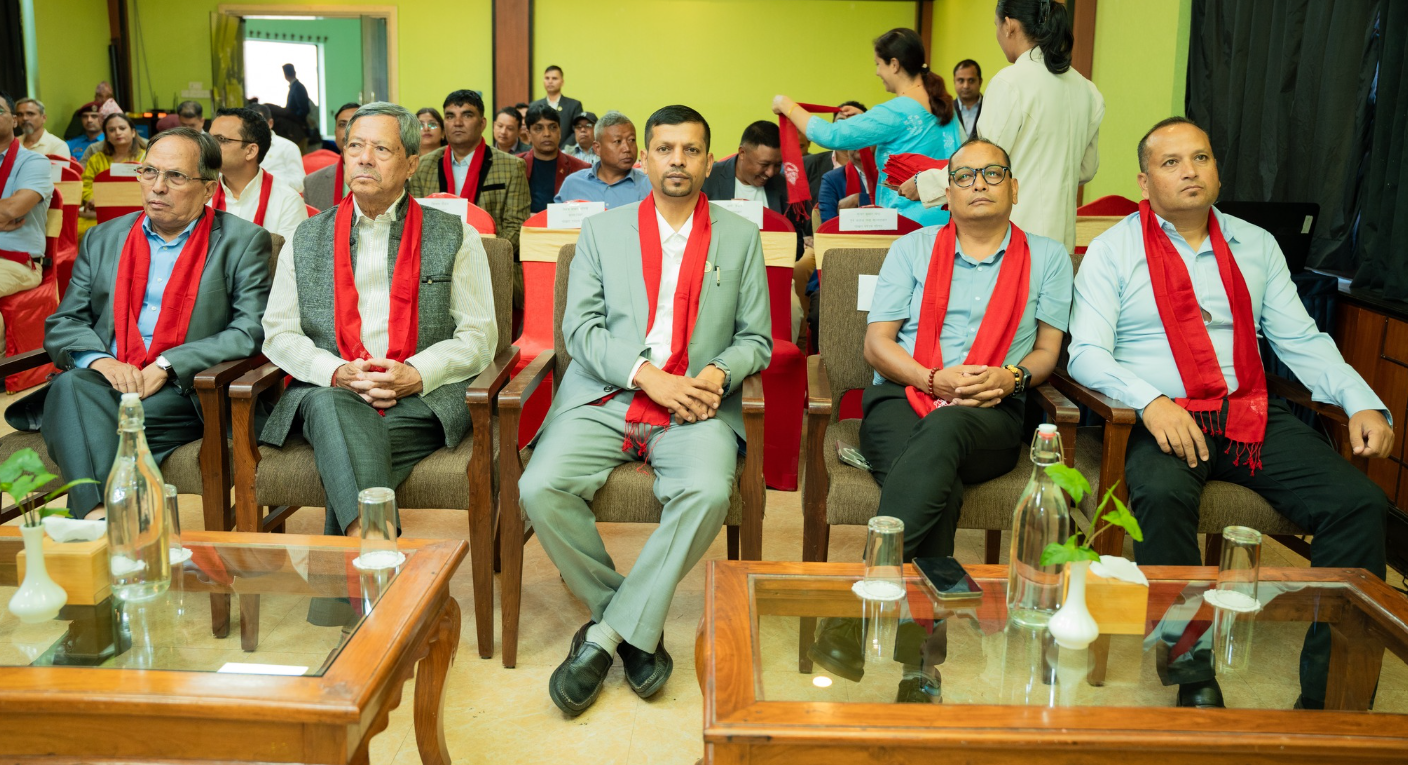
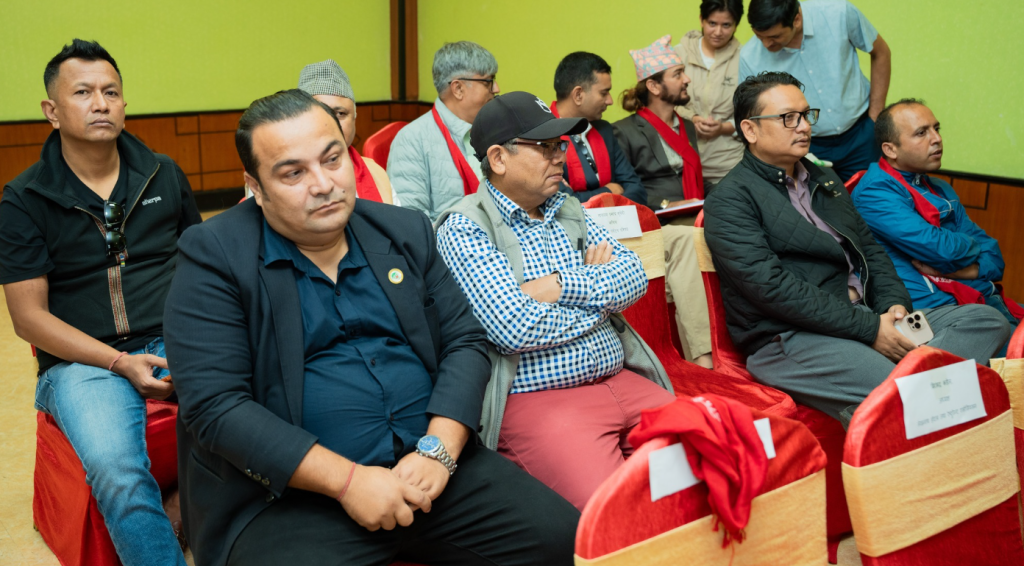
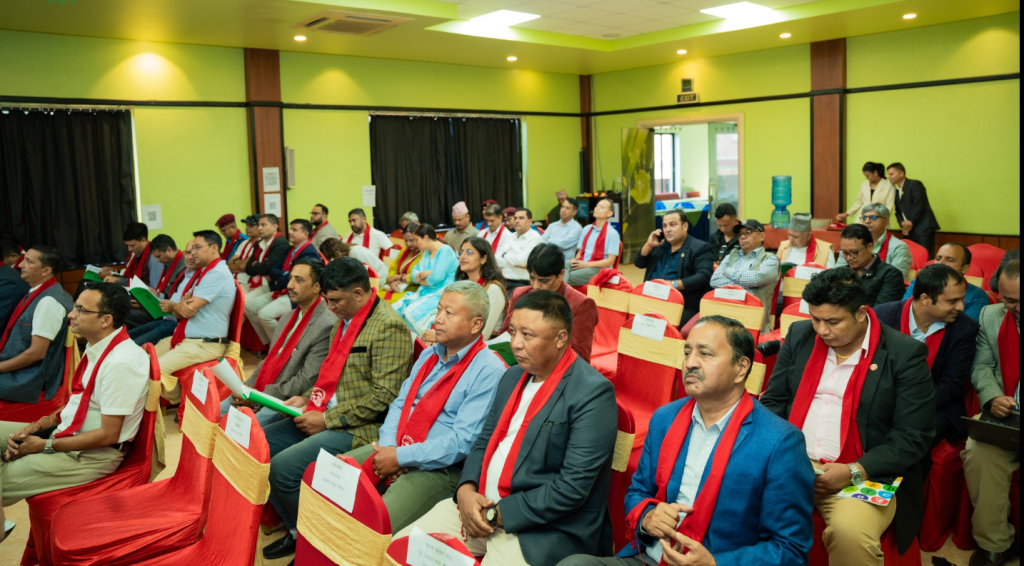
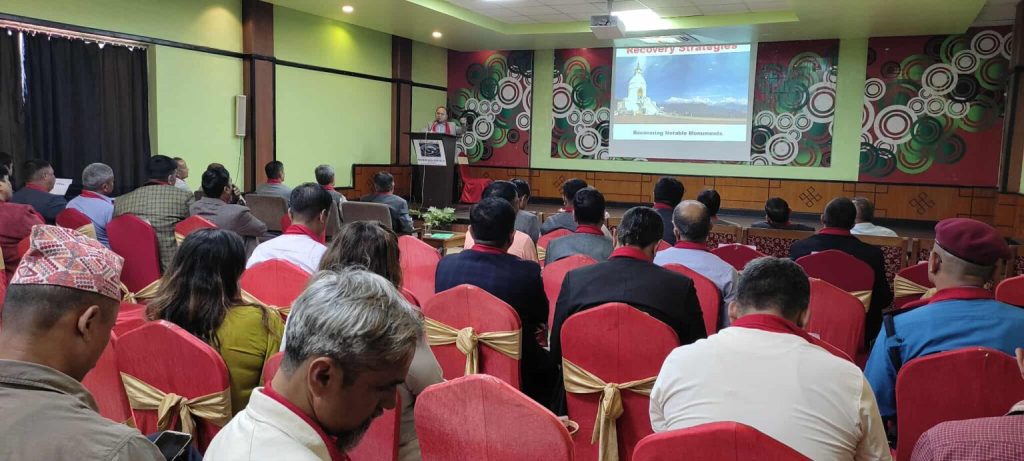
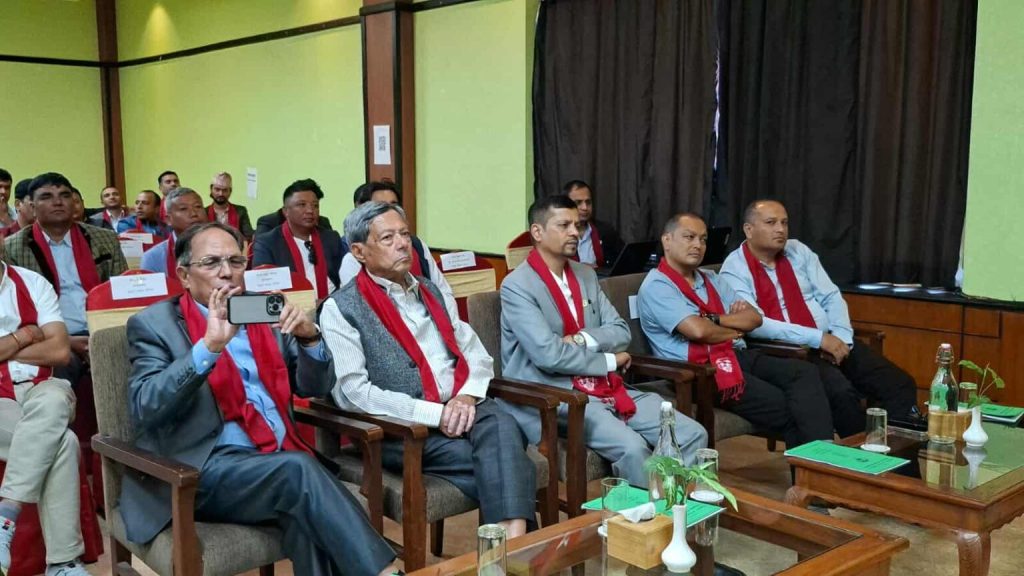
Pokhara, widely regarded as Nepal’s tourism capital, faces an urgent need to identify and promote new tourist destinations around the city to ensure sustainable tourism development. This was the key message from speakers at the 25th Annual General Meeting of the Pokhara Tourism Council, held on Thursday at a local resort. The speakers highlighted that while Lakeside remains a primary hub for tourism, relying solely on it is insufficient to meet growing demands and achieve long-term sustainability.
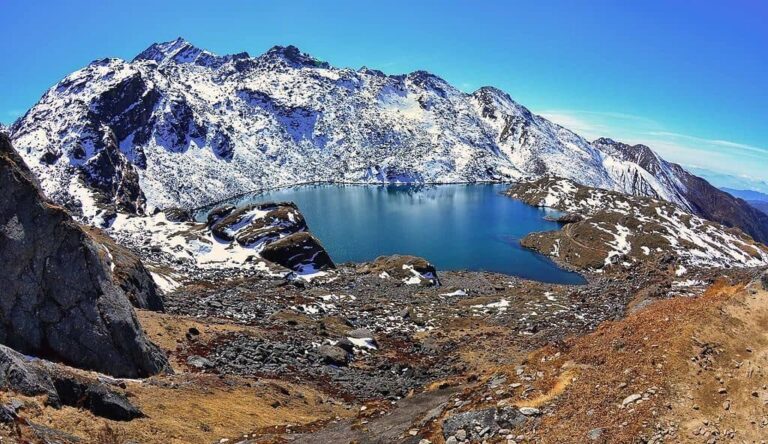
During the inauguration session, chaired by Council President Taranath Pahari, participants emphasized the importance of extending tourism infrastructure and promoting attractions beyond the city center. The Greater Pokhara concept was discussed as a framework for holistic development, integrating surrounding areas such as Lekhnath, Ghandruk, Sikles, Khumai Danda, and Mardi Himal.
Broadening Tourism Horizons
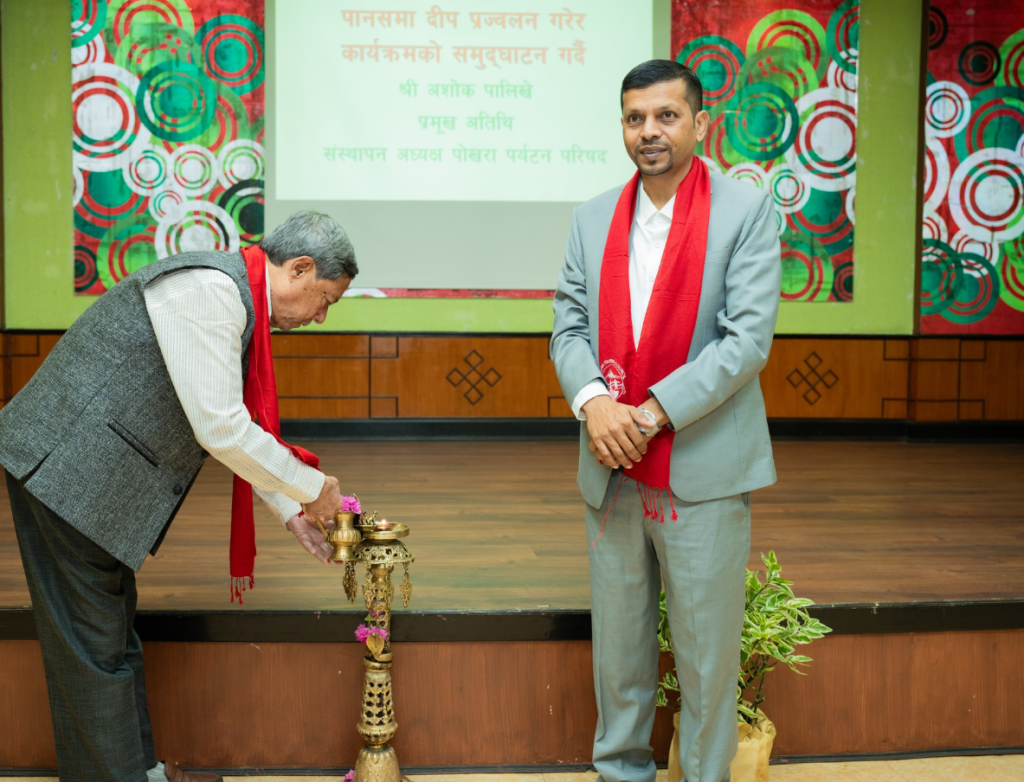
Ashok Palikhe, founding president of the council, urged stakeholders to move beyond a limited focus on Phewa Lake and Himalayan vistas. “We must develop new tourism products by connecting Lekhnath, Ghandruk, Sikles, Khumai Danda, and Mardi Himal. This is the path to sustainable tourism,” he said. Palikhe also expressed concern over the negative impact of the recent Gen-Z movement on tourism and called for strict action against those seeking unlawful benefits in its name. He further highlighted the need to simplify bureaucratic procedures for businesses willing to pay taxes and cautioned against the risks of counterfeit land documents following recent incidents at the land revenue office.

Challenges in Promotion and Infrastructure
Gopi Bahadur Bhattarai, coordinator for Pokhara Tourism Year 2025, acknowledged that the country’s current situation has posed challenges in promoting tourism. With only two months left in the campaign, he cited difficulties in coordination with government agencies and delays in budget utilization, which have affected planned projects. Bhattarai informed that CCTV cameras, installed at a cost of approximately Rs 8–10 lakh in the Lakeside area, aim to enhance tourist security, urging all business owners to remain vigilant.
Former Council President Dambar Bahadur KC stressed the importance of promoting mountain tourism internationally while ensuring conservation. Hema Pokhrel, Chief of the Industrial and Tourism Division of Gandaki Province, highlighted the need for all stakeholders to work collectively in executing strategic plans. Sagar Shrestha, Senior Officer at Nepal Tourism Board (Gandaki), suggested the effective use of social media to broadcast messages that Pokhara remains a safe and attractive destination for tourists.
Prioritizing Wellness Tourism and Infrastructure
Several experts, including Madhav Baral, President of the Nepal Journalists’ Association Kaski, tourism specialist Subash Malla, Council First Vice President Hari Bahadur Bhujel, and General Secretary Jeevan Raj Sapkota, stressed the importance of prioritizing wellness tourism and strengthening internal infrastructure. They highlighted that while promotional campaigns are essential, developing tangible tourism products and enhancing basic facilities is critical to attract and retain visitors.
Tourism consultant Subash Malla emphasized that Pokhara’s promotion alone is insufficient without the preparation of supporting products and infrastructure. He pointed out the lack of public toilets as a serious concern for tourists, along with transportation issues such as insufficient taxi services. “Pokhara cannot rely solely on Lakeside anymore. We need to expand, develop home-stays and resorts in themed areas outside Lakeside, and enhance local capacities to sustain tourism growth,” he said.
Strategies for Sustainable Tourism
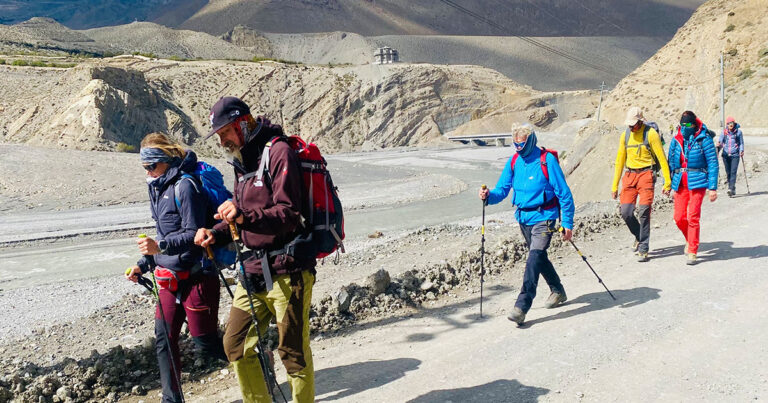
The council’s discussions underscored the need to diversify tourist attractions and integrate nearby regions into a larger tourism network. By developing new trekking routes, adventure tourism products, and community-based homestays, stakeholders aim to extend tourist stays and enhance economic benefits for surrounding communities.
Palikhe reiterated that moving beyond a Lakeside-centric approach is crucial for sustainable growth. He called for immediate reforms to reduce bureaucratic hurdles for compliant businesses and ensure that tourism development is inclusive and equitable.
Promotion and Safety Measures
During the session, Bhattarai shared efforts to increase tourist safety and confidence through strategic measures such as CCTV surveillance and better coordination with security agencies. These initiatives are part of a broader plan to provide visitors with a safe and enjoyable experience while exploring both urban and rural attractions around Pokhara.

Regional Collaboration and International Outreach
The council also revealed plans to organize a Nepal–India Tourism Meet this year to foster cross-border tourism promotion. By highlighting Pokhara and its surrounding regions to international markets, stakeholders hope to attract a larger number of foreign visitors and boost the local economy.
The 25th Annual General Meeting of the Pokhara Tourism Council highlighted a consensus among tourism stakeholders: Lakeside alone cannot sustain the city’s growing tourism demand. Expanding tourism products to Greater Pokhara, developing infrastructure, promoting wellness tourism, and ensuring safety are essential for achieving sustainable tourism growth.
Experts and council leaders emphasized the need for integrated planning, collective action, and strategic promotion to ensure that Pokhara continues to thrive as Nepal’s tourism capital. By leveraging its natural beauty, surrounding landscapes, and local culture, Pokhara can offer diverse experiences to visitors while creating long-term economic and social benefits for the region.