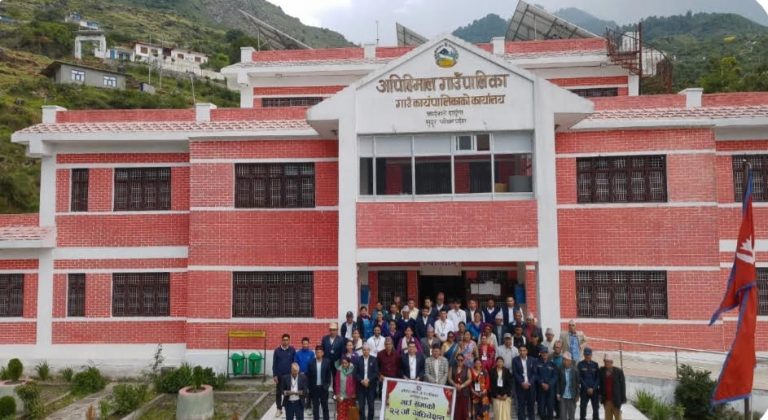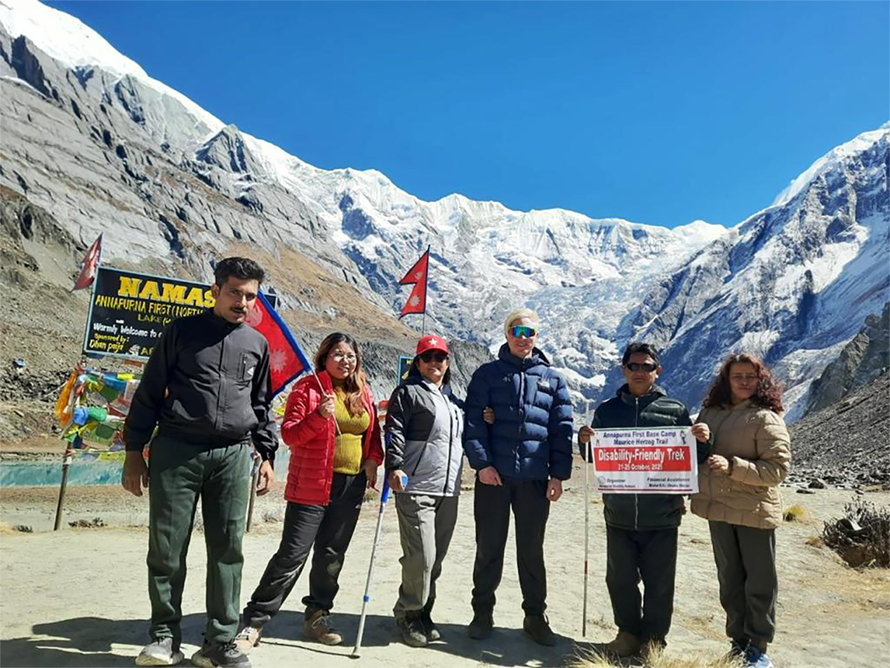
In a remarkable display of determination and inclusivity, a group of differently-abled individuals successfully completed a trek to the Annapurna Base Camp (ABC) in Myagdi district. The initiative, organized by Disabled Network Annapurna Rural Municipality, aimed to spread awareness about accessible tourism and the importance of disability-friendly infrastructure in Nepal’s trekking regions.
Trek from Narchyang to Annapurna Base Camp
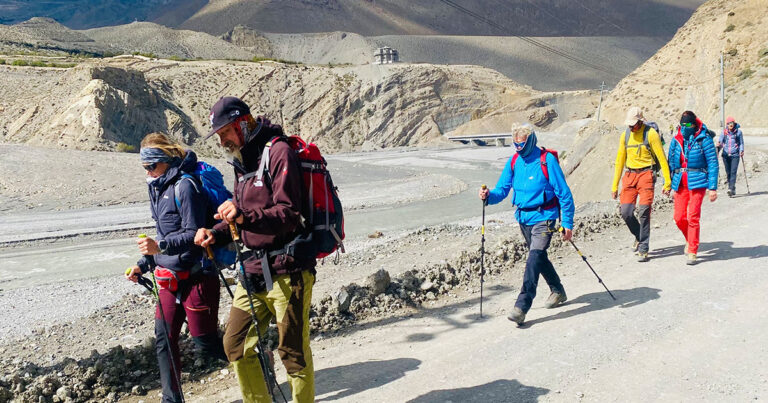
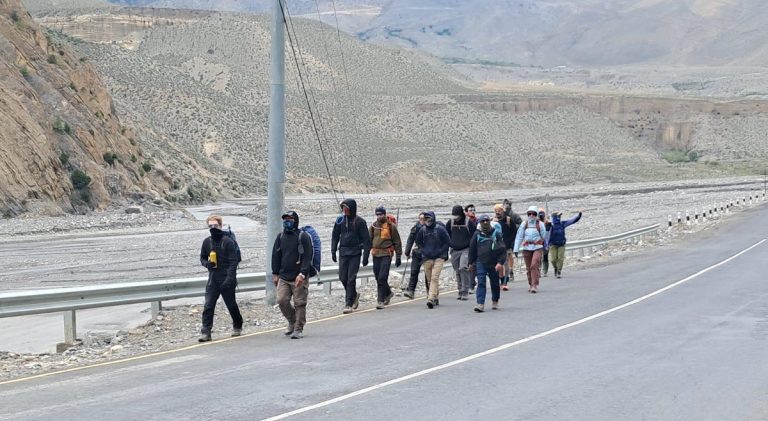
The inspiring journey began on Kartik 5, when nine individuals with six different types of disabilities set off from Humkhola in Narchyang, embarking on the 22-kilometer trek along the historic Maurice Herzog Trail. After days of effort, the team reached the Annapurna Base Camp, a feat that symbolizes the limitless potential of people with disabilities when given opportunity and support.

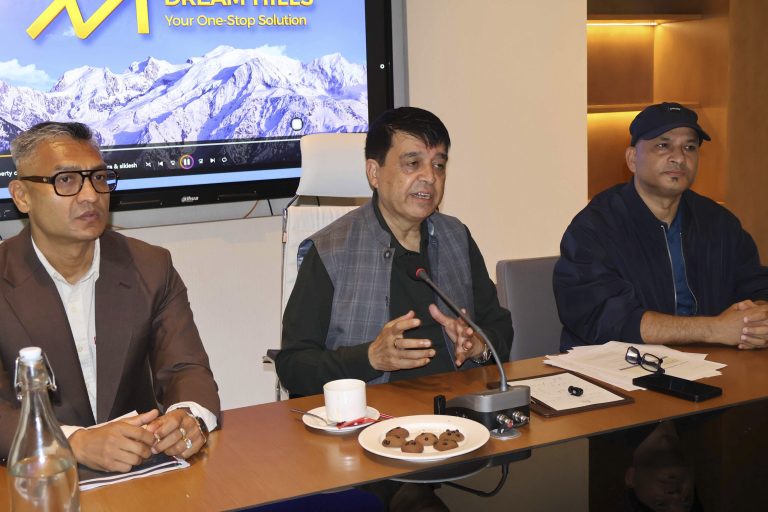
According to network secretary Bishal BK, the trekking team successfully concluded their journey today. “Our goal was to promote the message that people with disabilities can also explore the Himalayas,” BK said. “The journey was thrilling and deeply inspiring. Although we faced challenges along the way, especially with trails and hotels that were not disability-friendly, our team’s determination made it possible.”
Participants Representing Strength and Inclusion
The team comprised notable members including Chomu Sherpa Khushi, Ishwor Bastola, Rajesh Bhandari, Sangita Sharma (who lives with cerebral palsy), Bishal BK, Bhim Gurung, and Basu Thakali. They were supported throughout the trek by Bandana Rai, who assisted them as a guide and companion.
Each participant’s journey reflected resilience, teamwork, and the power of inclusivity in adventure tourism. Their participation also highlighted the urgent need for Nepal’s major trekking routes to adopt universal accessibility standards, ensuring that no one is left behind in the growing tourism economy.
Promoting Disability-Friendly Tourism
According to BK, the primary aim of the trek was to advocate for disability-friendly policies, infrastructure, and representation in the tourism sector. “This experience has shown that people with disabilities can equally enjoy Nepal’s mountains if accessible trails, accommodations, and transport facilities are developed,” he said.
The Annapurna Base Camp trek, which lies at an elevation of 4,190 meters, is one of Nepal’s most popular destinations, attracting thousands of domestic and foreign trekkers every year. The group’s successful expedition is expected to inspire similar initiatives in other trekking regions, promoting accessibility and equality in tourism.
Beauty and Challenge of the Journey
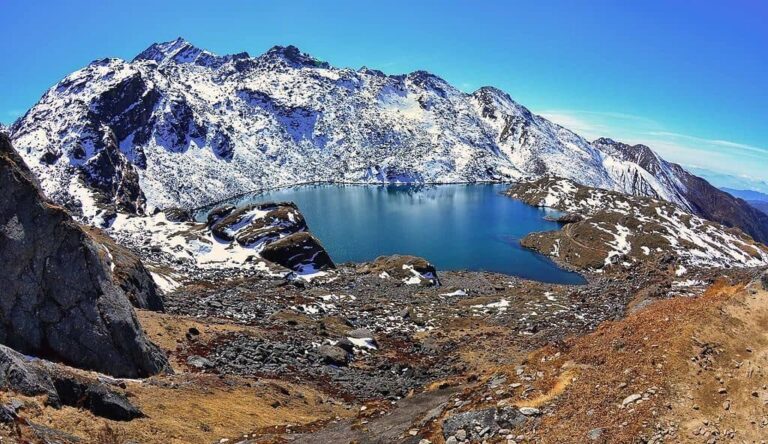
The route followed the scenic Mistri Khola River, passing through dense forests, stunning waterfalls, and the breathtaking snow-capped peaks of Annapurna and Nilgiri. Along the way, trekkers also observed unique Himalayan flora and fauna, adding a layer of ecological appreciation to the spiritual and physical journey.
Despite the physical challenges of uneven terrain and limited infrastructure, the group completed the trek safely, proving that with proper support, differently-abled adventurers can participate in Nepal’s mountain tourism. Their success story is a significant step toward redefining inclusivity within the country’s adventure tourism industry.

Call for Infrastructure Development
Local authorities and tourism experts have emphasized the need to improve trail accessibility, accommodation facilities, and transportation services for differently-abled visitors. With improved infrastructure, the Annapurna region could serve as a global example of inclusive mountain tourism.
Disabled Network Annapurna plans to continue organizing similar expeditions in the future, expanding awareness and encouraging policy action at local and national levels. The group’s achievement has been widely praised by tourism stakeholders, disability rights activists, and local residents alike. As the autumn trekking season continues, the success of this campaign not only inspires inclusivity but also boosts confidence that Nepal’s mountains can be for everyone, regardless of physical limitations.