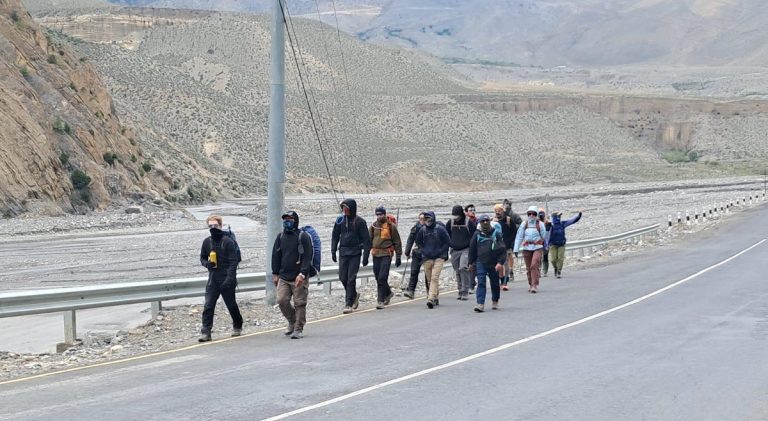
The Kanchenjunga Conservation Area (KCA) has successfully launched a community-driven biodiversity monitoring system, marking a significant milestone in safeguarding one of Nepal’s most ecologically important regions. This initiative focuses on endangered species, such as the red panda and snow leopard, demonstrating how inclusive, community-led conservation can be a sustainable and effective approach to protecting biodiversity hotspots.
The eight-month project, led by UNESCO, is designed not only to gather scientific data but also to mobilize local communities into active participants in nature protection. By empowering residents as stakeholders in conservation, the program underscores that sustainable environmental stewardship is best achieved when local voices are central to the process.

Partnerships and Project Framework
The project was implemented in collaboration with the International Union for Conservation of Nature Nepal (IUCN), and in close coordination with the Department of National Parks and Wildlife Conservation (DNPWC), the Kanchenjunga Conservation Area Management Council (KCAMC), and the Samriddha Pahad initiative. The primary objective was to equip local stakeholders with the knowledge, skills, and tools required to monitor biodiversity effectively while fostering a sense of ownership and accountability in conservation efforts.
A key innovation of the project was the integration of modern scientific monitoring tools with the traditional ecological knowledge of Indigenous Peoples and Local Communities (IPLCs). This approach saw the installation of trail cameras and GPS devices across critical areas of the KCA, enabling real-time monitoring of species and habitats.
Capacity Building and Local Empowerment
Prior to deploying these tools, the project organized extensive capacity-building workshops in Phungling, focusing on hands-on training for local communities, women’s groups, IPLCs, and students. Participants learned how to operate, manage, and interpret data from scientific monitoring equipment, equipping them with practical skills for biodiversity conservation.
These workshops have proven instrumental in identifying key biodiversity hotspots and gathering critical data on species presence and movement patterns within the KCA. By training local residents in these techniques, the project ensures that monitoring and conservation efforts continue sustainably, even beyond the project’s duration.
Dissemination Workshop and Stakeholder Engagement
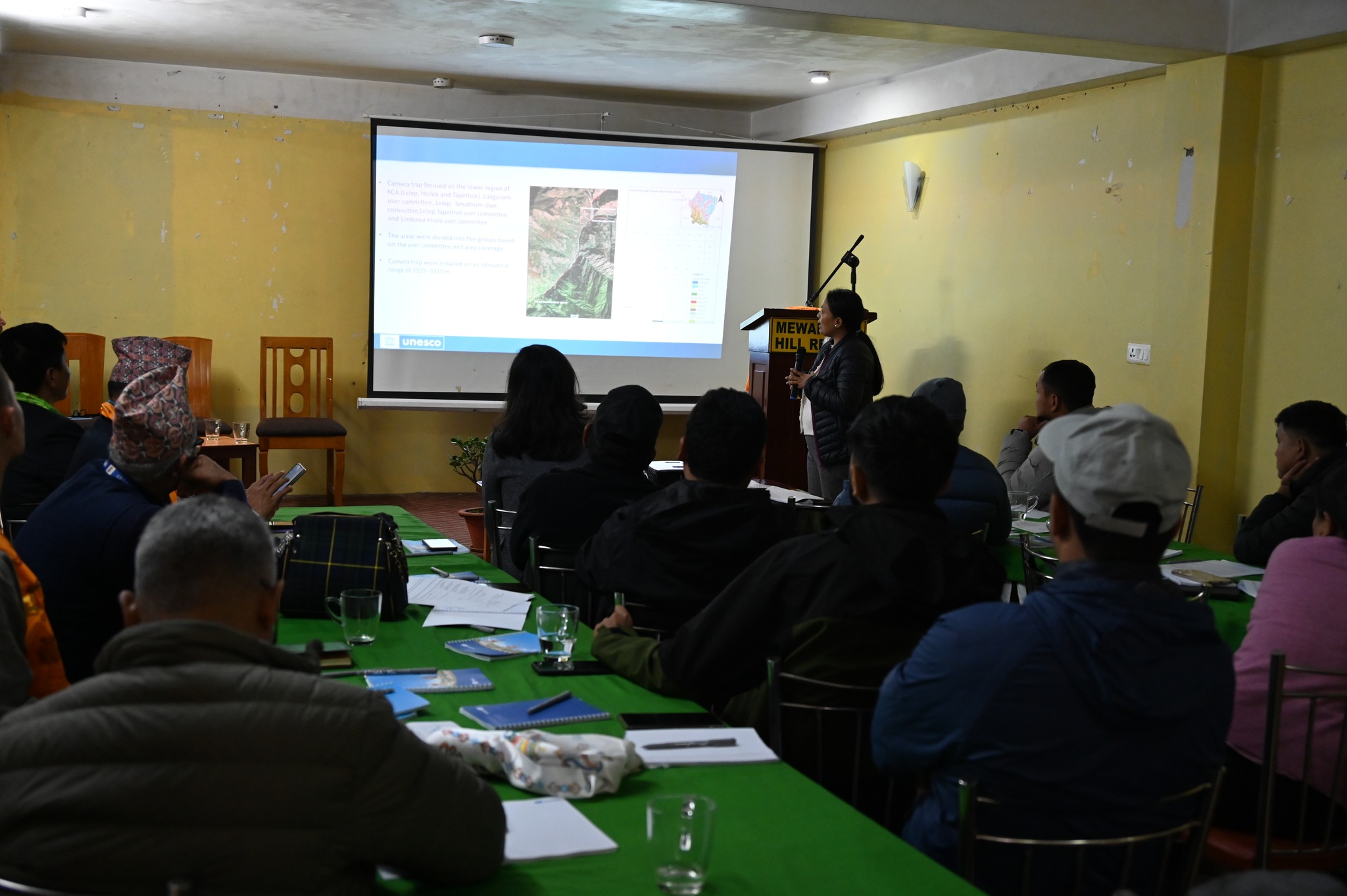
The project culminated in a dissemination workshop, which provided a platform to present key findings and lessons learned. The results from trail camera monitoring and assessments against IUCN Green List standards were shared with stakeholders, particularly the local communities who have been actively involved throughout the project.
During the workshop, IPLC members, women’s groups, and students shared personal experiences and insights from their fieldwork, illustrating the social and ecological benefits derived from community-led conservation. This participatory approach reinforced the value of inclusive decision-making in achieving sustainable biodiversity protection.
Recommendations for Future Conservation
Another major objective of the workshop was to engage key authorities, including DNPWC and KCAMC, in validating the project results and collaboratively designing practical, stakeholder-driven recommendations. These recommendations aim to guide future conservation strategies both within KCA and in other regions of Nepal, aligning with national biodiversity goals.
The project also contributes to KCA’s long-term vision of securing international recognition, including potential IUCN Green List certification and UNESCO Biosphere Reserve designation, further highlighting Nepal’s commitment to preserving its natural heritage.
Education and Legacy
As part of the project’s legacy, a resource booklet for secondary schools was handed over to KCAMC. This booklet, designed to promote biodiversity conservation education, aligns with the national curriculum and the UNESCO Man and Biosphere (MAB) Program, ensuring that environmental awareness is nurtured among future generations.
By integrating technology, local knowledge, and education, the KCA project provides a model for community-driven conservation that other regions can emulate. The initiative highlights the critical role of local communities in safeguarding ecosystems while building capacity, resilience, and environmental stewardship for generations to come.

A Model for Collaborative Conservation
The Kanchenjunga Biodiversity and Forest (KBF) Project stands as a testament to the power of collaboration. By combining cutting-edge monitoring technologies with the dedication and deep ecological understanding of local communities, the project has achieved tangible results in protecting endangered species and ecosystems.
Through this approach, the KCA has demonstrated that inclusive, science-based, and community-led conservation is not only effective but also sustainable. It sets a benchmark for future initiatives in Nepal and globally, proving that conservation efforts succeed when local communities are empowered, engaged, and at the forefront of protecting their natural heritage.