Stakeholders in Panchthar have urged authorities to significantly increase investment in tourism infrastructure, expressing concerns that many of the district’s potential tourist attractions remain overshadowed due to the lack of essential facilities. At a time when tourism could play a transformative role in local development, representatives from various sectors stressed that inadequate infrastructure is restricting visitor flow and preventing Panchthar from emerging as a competitive tourism destination.
Inadequate Coordination and Budget Constraints Raise Concerns
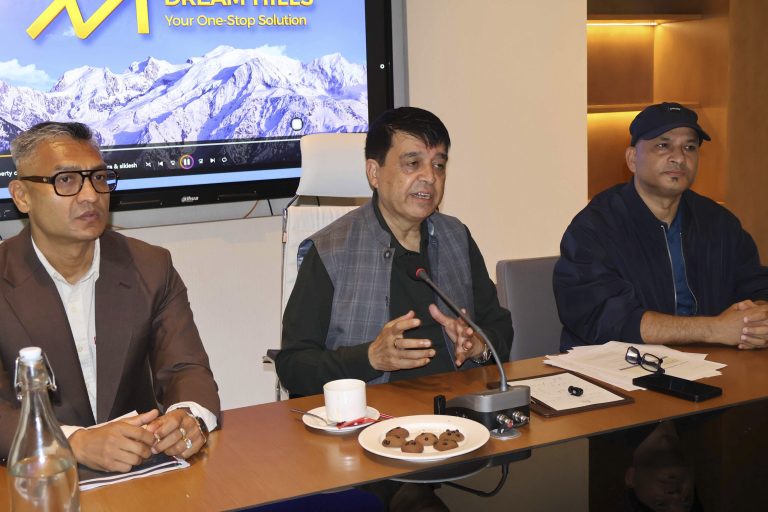
During a district-level tourism interaction program organized by the Tourism Office in Phidim, elected representatives, entrepreneurs, and leaders of tourism-related organizations unanimously echoed the need for stronger financial commitment from provincial and federal governments. Mitra Prasad Kafle, Mayor of Phidim Municipality, criticized the limited coordination and insufficient budget allocation from higher authorities. According to him, local governments alone lack the financial capacity to carry out large-scale infrastructure development.

Mayor Kafle argued that despite the municipality’s eagerness to develop tourism sites, progress has stalled due to chronic underfunding. “Local governments do not have enough budget to undertake major infrastructure work,” he said. “Neither have we received adequate coordination from the provincial and federal governments, nor have we received the required resources.” His remarks reflect a growing sentiment that sustainable tourism development in Panchthar demands stronger intergovernmental collaboration.
Local Bodies Struggle to Secure Funding
Similar concerns were raised by Brijahang Angdembe, Chairperson of Falgunanda Rural Municipality. He expressed frustration that, despite continuous appeals for financial support, the rural municipality has not received the promised budget allocations. He noted that while the Koshi Province Government has verbally committed to supporting development in the Falgunanda tourism region, concrete budgetary action has not followed.
Angdembe emphasized that the province must prioritize developing and promoting the Falgunanda tourism zone, as previously announced. He highlighted that better roads, improved accommodation facilities, and proper promotional campaigns are crucial to attract domestic and international visitors. Without these investments, he warned, the region’s unique cultural and natural assets would remain underutilized.
Growing Attractions Linked to Kirat Spiritual Sites
Representatives from cultural and religious organizations emphasized the spiritual significance of several key heritage sites in Panchthar. Subash Tumbapo, Secretary of the Kirat Religion and Literature Promotion Association, pointed out that visitor numbers at Silauti and Labrekuti, both revered spiritual destinations for Kirat followers, have been increasing every year. He argued that these sites hold deep cultural importance not only for Kirat adherents but also for those interested in indigenous spirituality.
Tumbapo stressed that rising interest in spiritual tourism makes it crucial to invest in preservation, promotion, and infrastructure around these sacred places. “These sites have become centers of attraction for Kirat devotees and those curious about Kirat culture,” he said. “With the growing global interest in spirituality, the need to promote and develop these destinations has increased even more.”
Tourism Entrepreneurs Cite Declining Tourist Arrivals
Tourism entrepreneurs also shared their challenges, particularly those operating homestays. Trishna Rai, a homestay operator in Phidim, stated that low tourist arrival numbers have made it difficult to sustain homestay businesses. She called for skill-based training, financial assistance, and targeted infrastructure development to help revive the sector.
Rai explained that homestays serve as an important component of rural tourism by offering authentic local experiences. However, poor road networks, limited market exposure, and lack of promotional activities have hindered their growth. She appealed for capacity-building programs and government-backed promotional campaigns to restore confidence among tourism entrepreneurs.
Private Sector Hesitant Amid Political Instability
The business community also highlighted broader challenges facing the tourism industry. Narendra Prasad Adhikari, Chair of the Panchthar Chamber of Commerce and Industry, remarked that the country’s ongoing political instability has weakened the tourism sector and discouraged private investment. He noted that without a stable policy environment and long-term commitment from the government, investors remain reluctant to commit funds to tourism-related projects.

Province Plans to Attract Tourists from Neighbouring Countries
Despite these concerns, the provincial administration has outlined plans to attract foreign tourists. Krishna Shah, Deputy Director of the Koshi Province Tourism Year Management Committee, shared that the province aims to draw visitors from Bhutan, Bangladesh, and India. He indicated that strategic promotional campaigns and regional partnerships could play a key role in expanding the province’s international tourism footprint.
Overall, the interaction program highlighted that while Panchthar holds immense tourism potential, from cultural heritage sites to natural landscapes, realizing this potential requires robust investment, strengthened coordination, and proactive promotion at all government levels. Stakeholders agree that only through well-planned infrastructure development can Panchthar emerge as a thriving tourism destination in eastern Nepal.