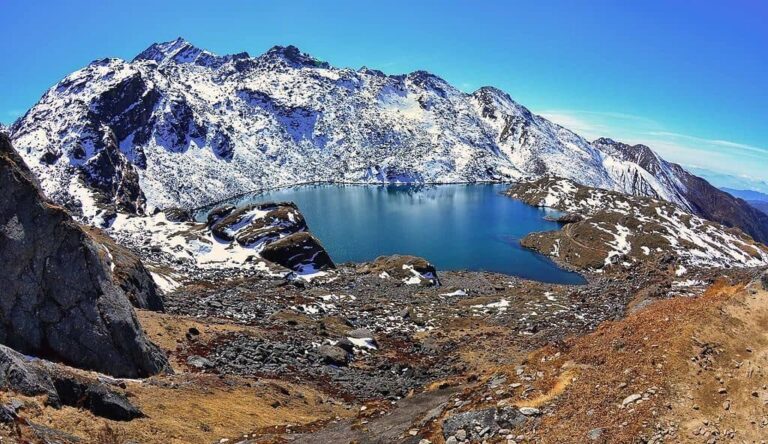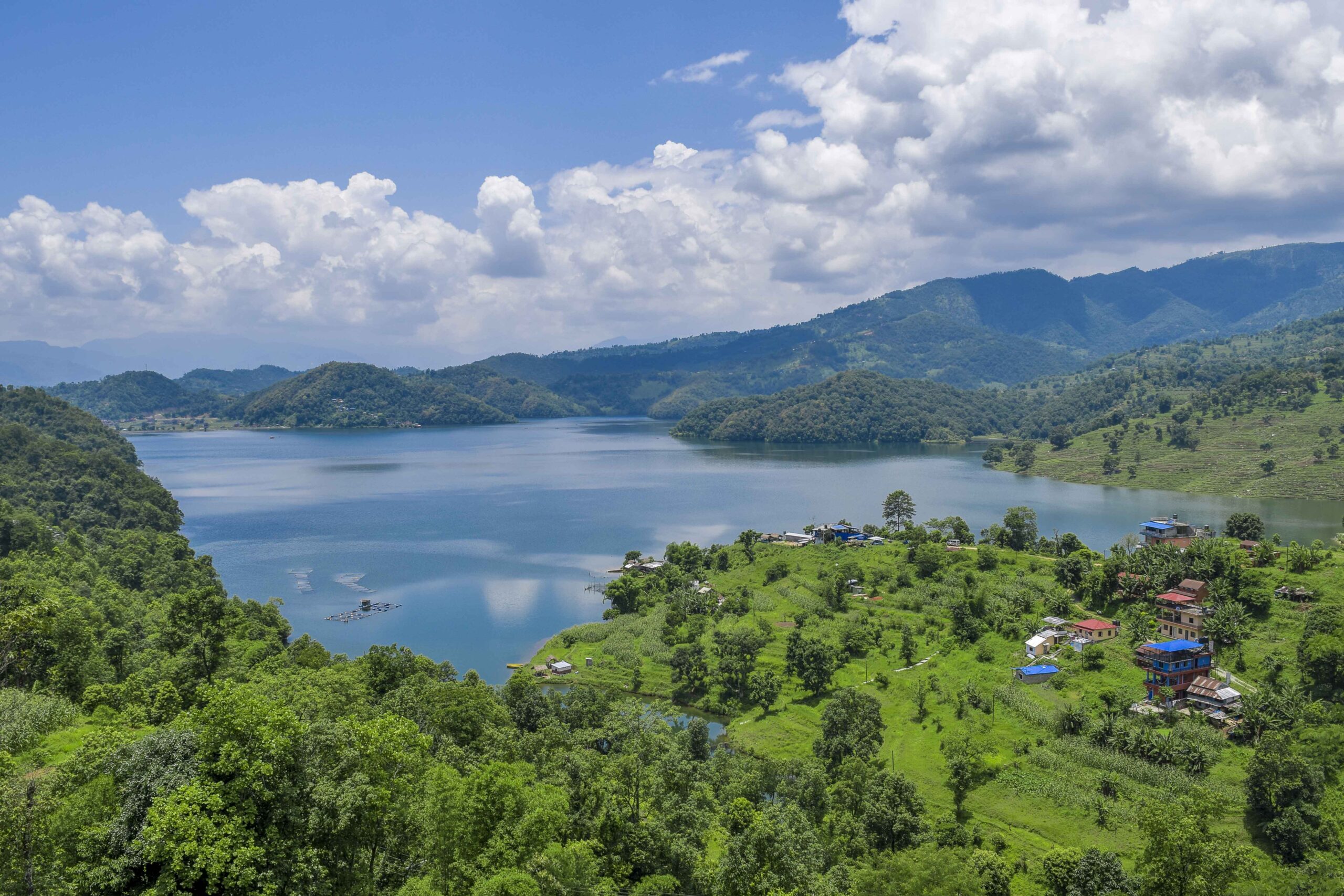
Begnas Lake, one of Pokhara’s most scenic and culturally significant destinations, has witnessed a steady decline in domestic and foreign tourist arrivals over the past decade, leaving local tourism entrepreneurs deeply concerned. While Phewa Lake in Baidam continues to attract large crowds, only a small fraction of those visitors make their way to Begnas, pushing boat operators into financial distress.
According to Meghnath Tiwari, who has been operating boats at Begnas Lake for the past 37 years, the downturn began after the 2015 earthquake and worsened due to COVID-19, road construction, and various socio-economic disruptions. “On public holidays, we see some domestic tourists, but only two or three foreign visitors come. The numbers simply haven’t recovered,” he said.

Road Construction Further Impacts Tourist Flow
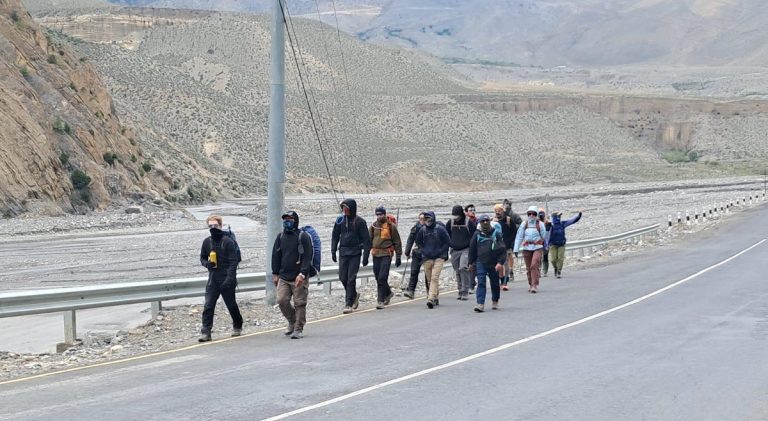
Despite hopes of revival in recent years, ongoing reconstruction work along the Muglin–Pokhara and Talchowk–Begnas roads has further reduced tourist inflow. Boat operator Somraj Kandel said the dusty, lengthy travel detours discourage many visitors, worsening their already fragile business situation.
Former chairman of the Begnas Lake Boat Operators Committee, Dhaknath Kandel, revealed that around 30% of boat operators have abandoned the profession due to insufficient income. “Those who remain are also seeking additional jobs because the boat business alone cannot ensure survival,” he added.
Boat Operations Reduced as Earnings Plummet
Located in Pokhara Metropolitan City–31, Begnas Lake has long been popular among domestic tourists for boating and enjoying fresh fish delicacies. However, with the drop in visitors, not all boats are currently operating. Operators run boats on a rotational basis to distribute limited income.
Begnas Lake spans 373 hectares, with 280 boats and around 200 boat operators registered. Yet, due to low demand, operators sometimes must wait a full week for their turn to operate a boat, leaving them with monthly earnings as low as NPR 3,000. “How can a family survive on that?” questioned former chairman Kandel.
According to committee chairperson Rabiraj Kandel, the current rates are NPR 700 for an hour of rowing boat ride and NPR 1,500 for pedal boats. The lake also has three motorboats, but they are exclusively used for travelling to and from the Baraha Temple area.
From the lake, visitors can enjoy views of lush forests, Begnas and Majhthana villages, the Annapurna range, Kalika’s Thulakot hill, and the picturesque Sundaridanda ridge. Boat services have been operating commercially since 1980 (BS 2037).
Before roads were developed, Begnas Lake served not only tourism but also as a vital transportation route, connecting villages in Kaski such as Begnas, Majhthana, Saimarang, Bhachok, Mijure, and Pasgaun of Lamjung.

Hotel Businesses Also Feeling the Strain
Local hotel entrepreneur Som Bahadur Lalchan confirmed a ten-year decline in tourist numbers at Begnas. “The tourism industry here is now sustained almost entirely by domestic visitors. Only one or two Israeli tourists come occasionally, and they spend very little,” he said.
Lalchan believes that if even 25% of the tourists who visit Phewa Lake could be encouraged to visit Begnas, the local tourism economy would revive. “How long can we sit waiting for tourists who don’t come?” he asked. “We now have to go out searching for guests just to fill our hotel rooms.”