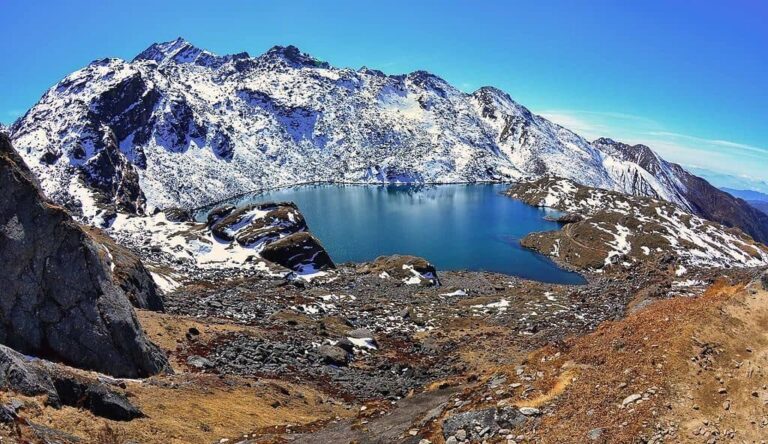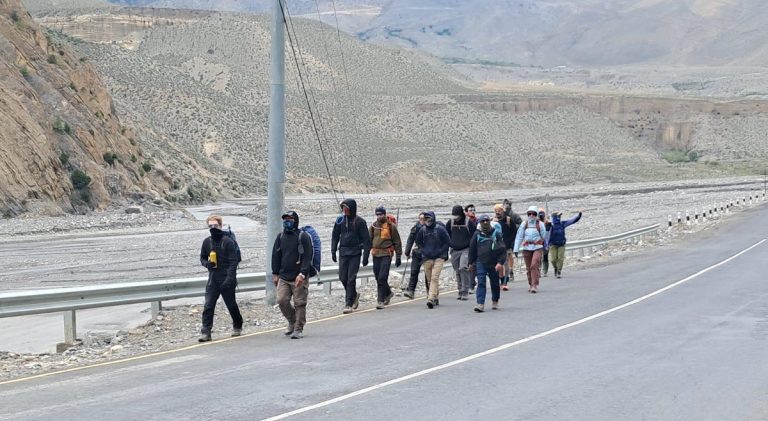
Activists and climate experts have issued an urgent call for collective action to protect glaciers, underscoring their vital role in ensuring water security, food production, and sustainable livelihoods for communities living in mountainous regions and downstream areas. They emphasized that both mitigation and adaptation measures are essential to cope with the rapidly accelerating impacts of global warming, particularly in climate-vulnerable countries like Nepal.
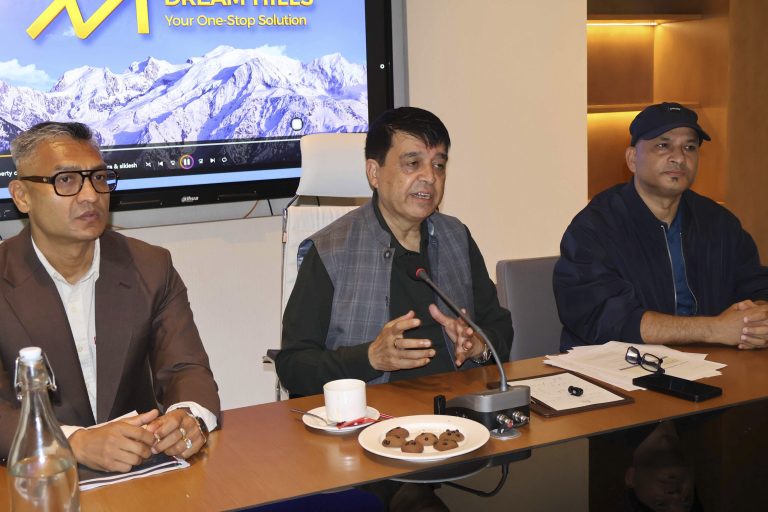
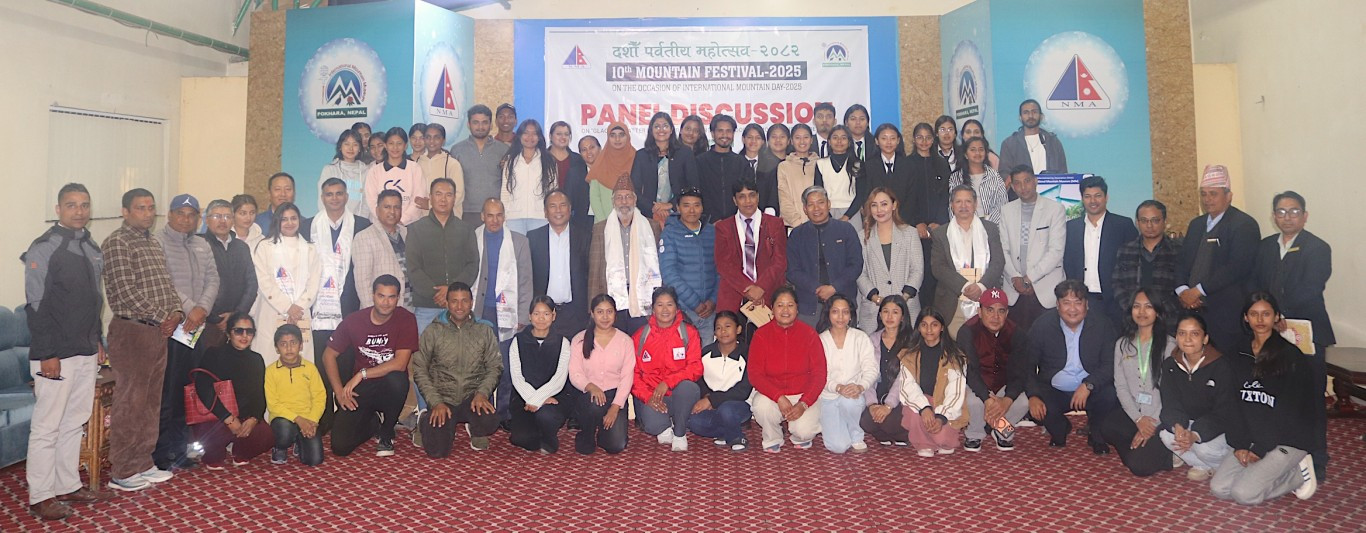
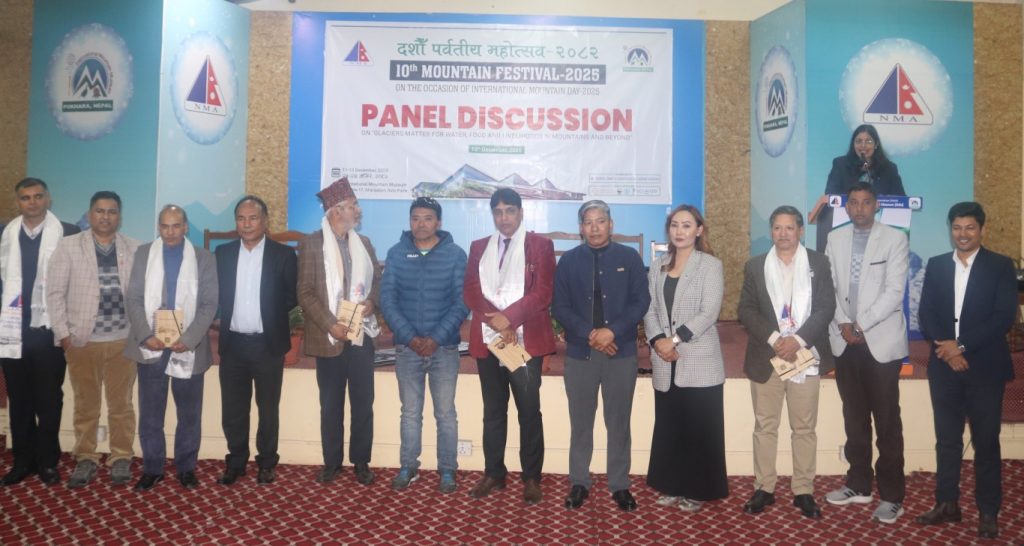
The appeal was made during a panel discussion titled “Glaciers Matter for Water, Food, and Livelihoods in Mountains and Beyond,” organized by the Nepal Mountaineering Association (NMA) as part of the 10th Mountain Festival, held on Friday. Participants warned that Nepal’s glaciers are retreating at an alarming pace, posing serious risks to fragile ecosystems, agriculture, tourism, and overall human well-being.

Glacier Melt Triggering Water and Food Insecurity program led by Activists
Speaking at the event, WWF Nepal biodiversity expert Rajendra Suwal highlighted the growing consequences of glacier melt across different regions of the country. He pointed out that water scarcity has already become a reality in several parts of Nepal.
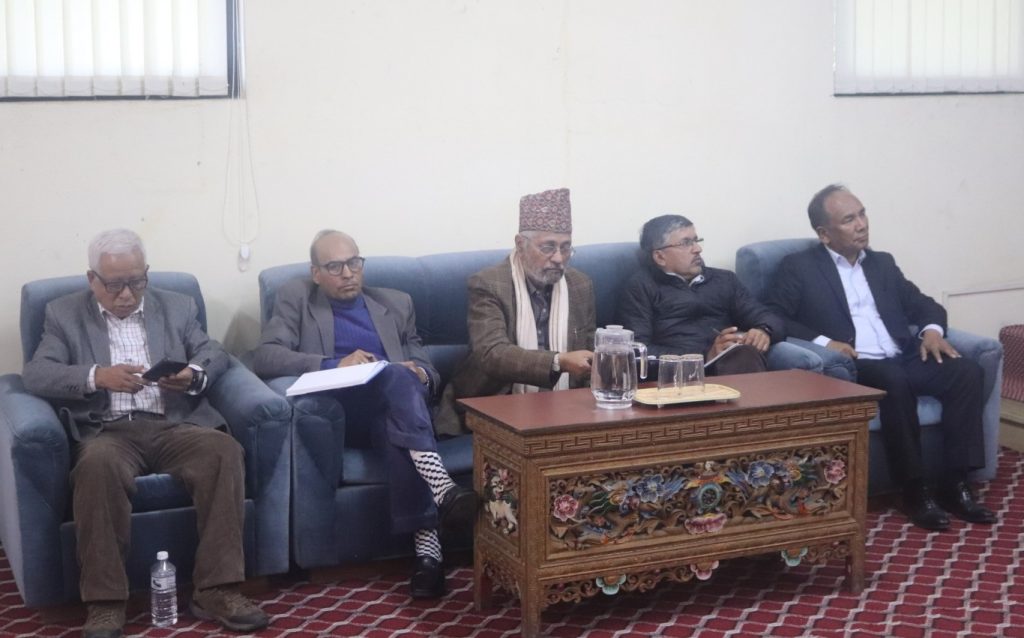
“In some areas, water curfews have already been imposed, and this has directly contributed to food insecurity,” Suwal said. “Glaciers are the lifeline of our water systems, and their rapid disappearance demands immediate and coordinated action.”
He stressed that protecting mountain glaciers is not only an environmental concern but also a socio-economic necessity, as millions of people depend on glacier-fed rivers for drinking water, irrigation, and hydropower.
Changing Climate Disrupting Mountain Communities
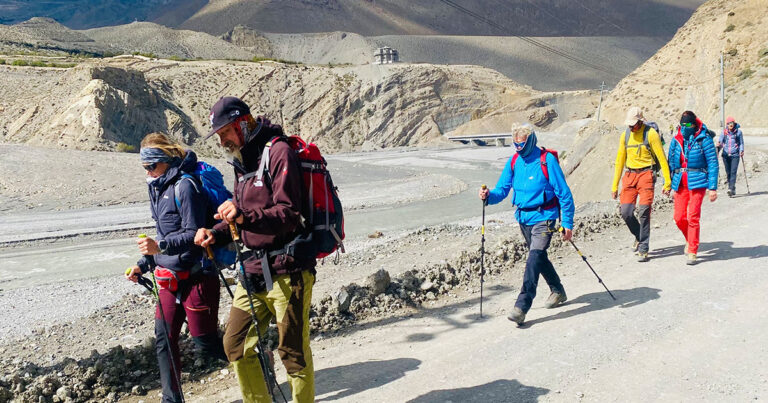
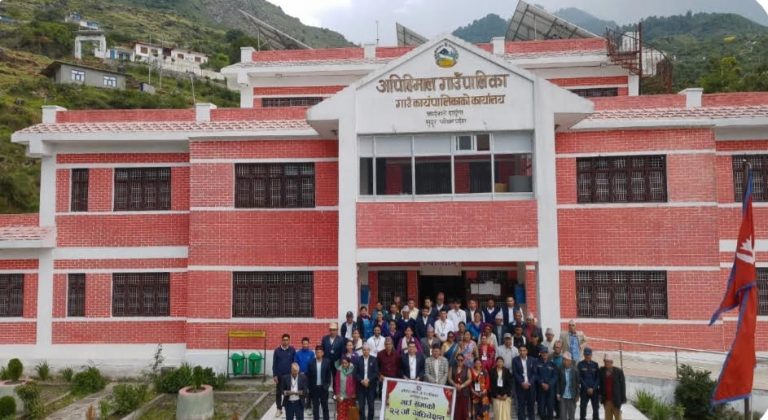
Chief of the Annapurna Conservation Area Project (ACAP) Pokhara, Dr. Rabin Kadariya, shared on-the-ground observations from high-mountain districts such as Manang and Mustang. According to him, prolonged and unseasonal rainfall caused by climate change is forcing households to replace traditional rooftops, increasing economic burdens on already vulnerable communities.
“Regions that were once famous for apple production are no longer suitable for the crop,” Dr. Kadariya said. “Farmers in Mustang are facing serious hardships as traditional livelihoods become unsustainable. Without timely intervention to save our glaciers, these challenges will only intensify.” He added that climate-induced changes are reshaping mountain agriculture and settlement patterns, demanding urgent adaptation strategies.
Promoting Indigenous Solutions for Climate Adaptation
FAO Representative Poonam Bista highlighted the role of indigenous knowledge and local solutions in addressing the impacts of global warming. She stated that the Food and Agriculture Organization (FAO) is promoting indigenous seed varieties in Nepal to enhance climate resilience.
“We need to promote high-value mountain products and climate-resilient farming practices,” Bista said. “FAO is actively working toward this goal in Nepal, and we are hopeful that these efforts will help communities adapt to changing climatic conditions.” She emphasized that strengthening local food systems is crucial for ensuring long-term food security in mountain regions.
Glacier Loss a Threat to National Water Security
Tourism expert Dr. Ramji Sharma warned that unchecked glacier melting could soon lead to severe water insecurity across Nepal. He cautioned that declining water availability could trigger social and economic tensions in the future. “If the current trend continues, a time may come when people are forced to fight over water,” Sharma said, stressing that glacier conservation must be treated as a national priority.

Call for Unified Action
Delivering the vote of thanks, NMA President Fur Gelje Sherpa urged government bodies, development partners, civil society, and local communities to unite in the fight against climate change. He emphasized that isolated efforts will not be sufficient to address the scale of the crisis.
“Collaborative efforts are the only effective tool we have in this urgent struggle,” Sherpa said. “We are already engaged, and we call on partner organizations and individuals to join us in this collective journey to protect our glaciers and secure our future.”
The panel concluded with a strong message that safeguarding glaciers is essential not only for mountain ecosystems but also for national and regional stability, making immediate and coordinated climate action imperative.