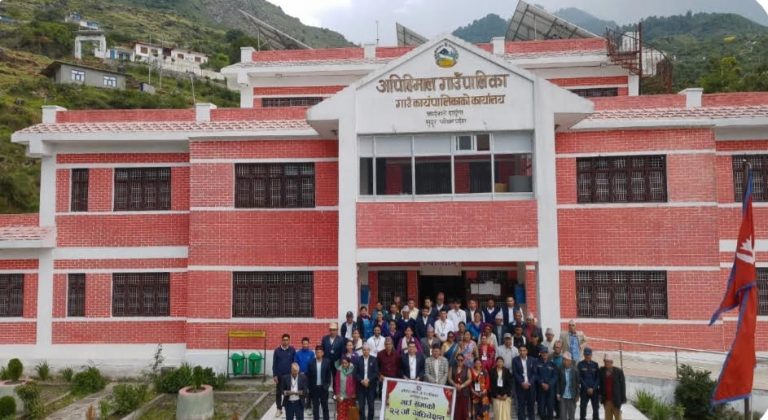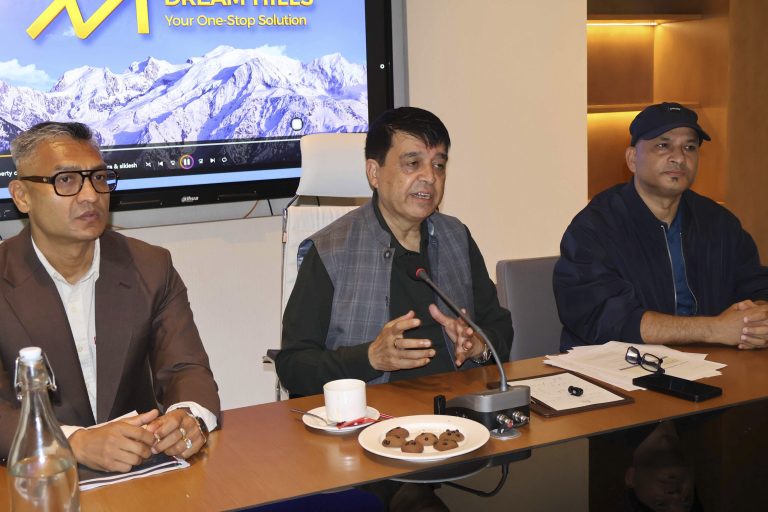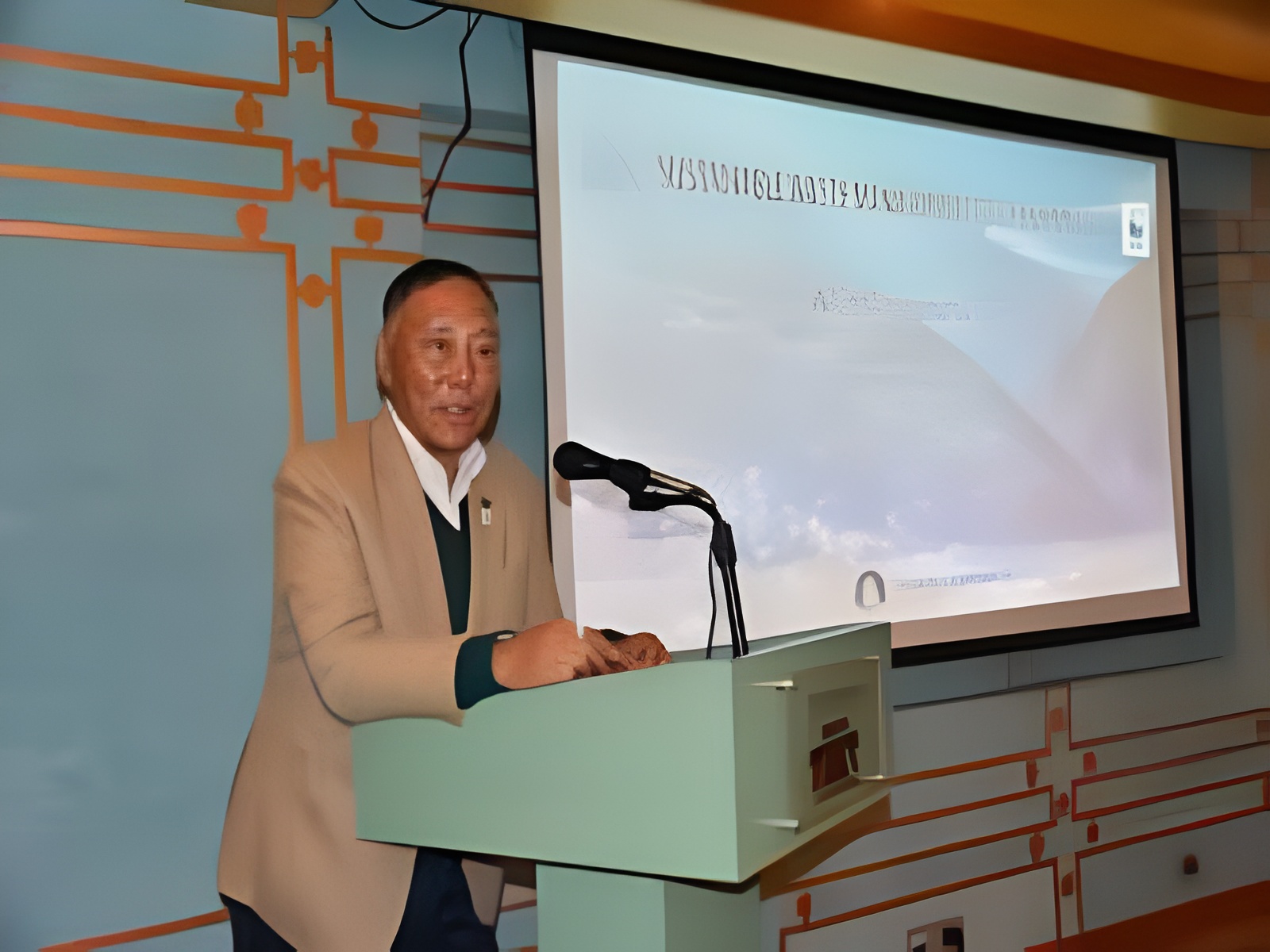
An inception workshop for the sustainable waste management project titled ‘Clean Sagarmatha’ has been organized in the Everest region with the aim of addressing growing waste-related challenges. The workshop was jointly organized by the World Wide Fund for Nature (WWF) Nepal and the Sagarmatha Pollution Control Committee (SPCC), bringing together representatives from government agencies, local governments, development partners, and community-based organizations. The workshop served as a platform for discussion, coordination, and knowledge sharing among stakeholders to ensure effective implementation of the project in the Sagarmatha region.
‘Clean Sagarmatha’ is a three-year initiative designed to strengthen sustainable waste management systems in Sagarmatha National Park and its buffer zone. A key focus of the project is the improvement of electronic waste (e-waste) management, which has emerged as a growing concern due to increased tourism activities and modernization in the region. The initiative aims to develop long-term, environmentally responsible waste solutions that align with both conservation goals and local development priorities.

Partnership-Based Implementation
WWF Nepal will implement the project in close collaboration with the Sagarmatha Pollution Control Committee, Khumbu Pasang Lhamu Rural Municipality, the Sagarmatha National Park Office, the Buffer Zone Management Committee, and local waste management groups. The project is funded by the Thomas L. Kempner Jr. Foundation and will be implemented in alignment with the Rural Municipality’s 2023 Environmental Pollution Control and Sustainable Waste Management Plan. Organizers emphasized that strong coordination among local authorities, conservation bodies, and communities will be essential for achieving the project’s objectives.
Sagarmatha as National Pride and Shared Responsibility
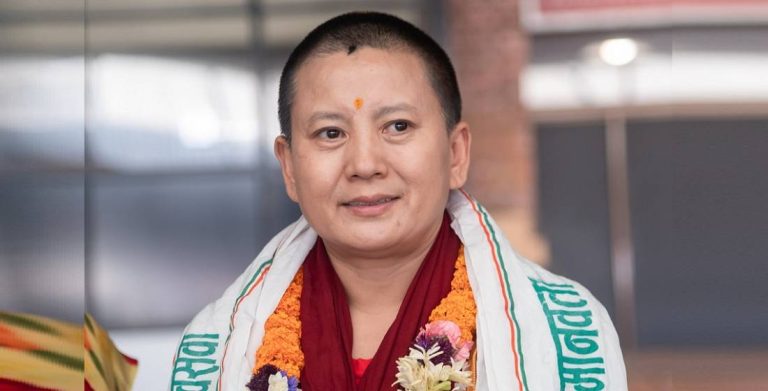
Addressing the workshop, Sonam Gyalzen Sherpa, Chairperson of the National Assembly Committee on Federalism Strengthening and National Concerns, highlighted the national and global significance of the Everest region. He stated that Sagarmatha is not merely a mountain, but a symbol of national pride and a shared responsibility. Sherpa stressed that protecting the natural and cultural heritage of the Sagarmatha region is a national duty and requires collective action from all stakeholders.
Rising Tourist Numbers, Rising Challenges
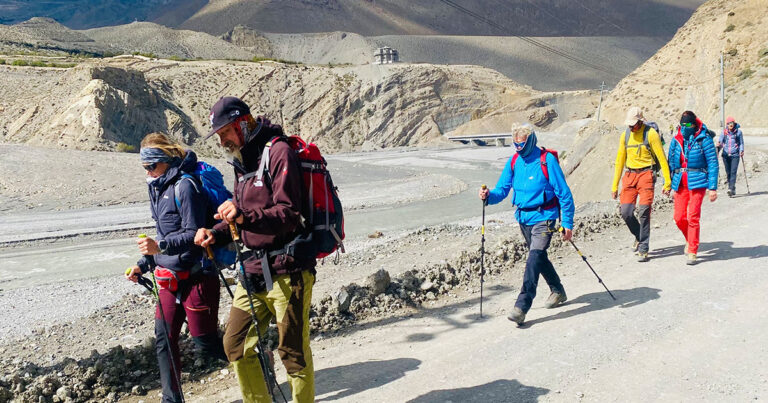
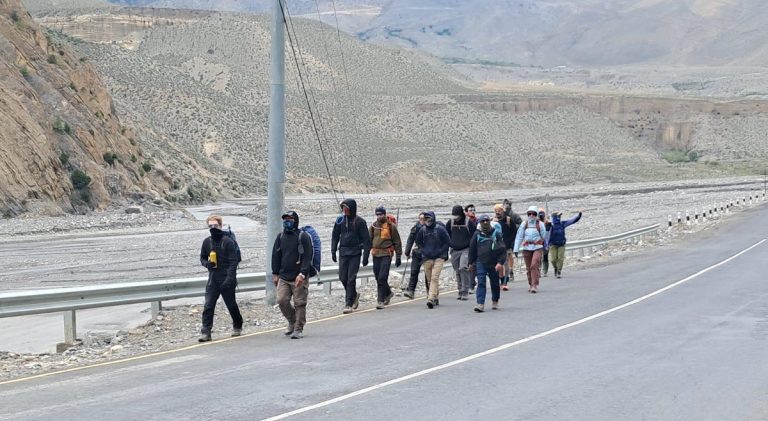
Tourism growth has significantly increased pressure on waste management systems in the Khumbu region. While approximately 20,000 tourists visited the area in 1998, the number exceeded 50,000 in 2023. This sharp rise has turned waste management into a serious and complex challenge for the region. Experts at the workshop noted that unmanaged waste poses risks to fragile mountain ecosystems, public health, and the long-term sustainability of tourism in the Everest region.
WWF Nepal’s National Representative, Dr. Ghanashyam Gurung, emphasized that the Sagarmatha region represents more than Nepal’s natural heritage. He described it as a global symbol of resilience, environmental conservation, and coexistence between nature and people. Dr. Gurung highlighted the importance of innovative and sustainable approaches to waste management in safeguarding this globally significant landscape.
Three Decades of Waste Management Efforts
SPCC Chief Executive Officer Chhiring Sherpa shared that the committee has been actively involved in waste management in the Everest region for over three decades. However, he noted that both the volume and complexity of waste have increased rapidly in recent years, requiring more systematic, technology-driven, and community-supported solutions.
He expressed confidence that the ‘Clean Sagarmatha’ initiative would strengthen existing efforts and introduce improved practices, particularly in managing emerging waste streams such as e-waste.

Stakeholder Engagement and Feedback
The workshop was organized to inform federal ministries, development agencies, representatives of Sagarmatha National Park and its buffer zone, the private sector, media, and other beneficiaries about the project. Participants were also invited to provide suggestions and feedback to support the successful and inclusive implementation of the initiative.
Organizers concluded that the inception workshop marks an important step toward cleaner, more sustainable management of the Everest region, reinforcing Nepal’s commitment to protecting Sagarmatha for future generations.