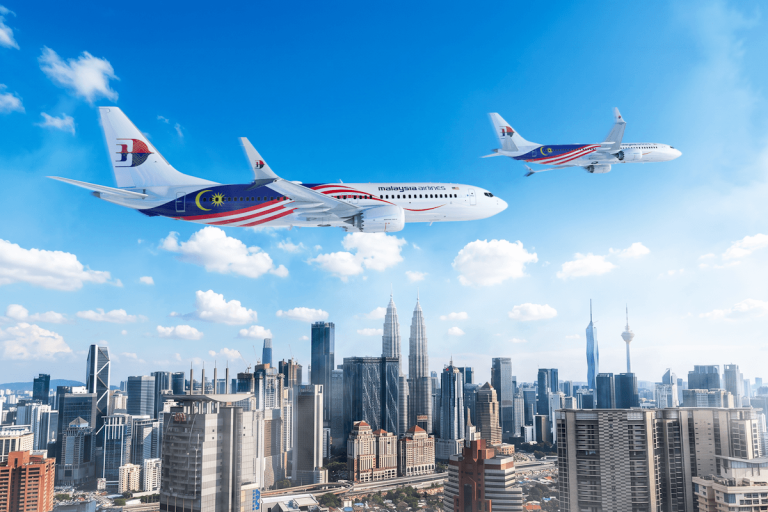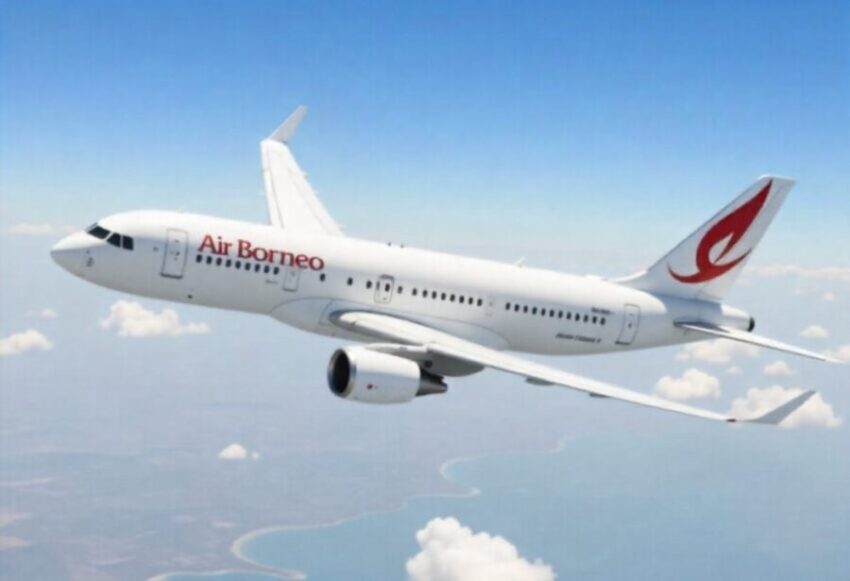
Starting January 2026, Sarawak-owned AirBorneo will officially assume control of MASwings operations, signaling a major transformation in East Malaysia’s regional air travel sector. The move is designed to enhance service quality, operational efficiency, and passenger experience, ensuring smoother and more reliable travel across Sabah, Sarawak, and Labuan. With AirBorneo’s leadership, regional aviation is expected to see improved connectivity, modernized services, and higher standards for travelers.
Transition of Ownership and Operations
AirBorneo will take full responsibility for all operations currently managed by MASwings, including flight services, reservations, customer support, and passenger-related functions. The transition follows the ownership transfer finalized under a sale agreement between the Malaysia Aviation Group (MAG) and the Sarawak government. On February 12, 2025, the sale was completed, officially transferring MASwings to the Sarawak government, paving the way for AirBorneo to manage operations starting January 1, 2026.

Gradual Rebranding and Continuity of Services
During the initial phase of the transition, MASwings branding may still appear as AirBorneo gradually introduces its corporate identity. This phased approach ensures passengers experience minimal disruption, maintaining familiar services while gradually integrating new systems and standards. AirBorneo plans to enhance operational efficiency, upgrade service delivery, and modernize customer support channels during this period.
MASwings: A Legacy in East Malaysian Aviation
MASwings, which commenced operations on October 1, 2007, was East Malaysia’s first dedicated commuter airline, created to serve Sabah, Sarawak, and Labuan, regions heavily reliant on air transport due to geographical isolation. The airline began with a fleet of four 50-seat Fokker 50 aircraft and four 19-seat Twin Otters, serving 22 destinations and connecting remote communities.
Over the years, MASwings adapted to growing passenger demand and operational requirements. In 2009, the airline upgraded to ATR 72-500 aircraft, enhancing operational efficiency, passenger comfort, and network reliability. By the time of its transfer to the Sarawak government, MASwings had operated over 430,000 flights and carried more than 19 million passengers, highlighting its pivotal role in regional connectivity.
Preparing for AirBorneo Operations
AirBorneo has been actively preparing to take over MASwings operations, focusing on passenger-centric improvements. These include modernized services, upgraded online booking systems, and enhanced customer support channels. A smooth transition is a priority, with particular attention to minimizing service disruptions for travelers.
To facilitate this, AirBorneo has established dedicated customer service lines: toll-free at 1-300-22-1388 for local calls and +60 82-537 555 for international callers. This ensures that passengers can easily access support for bookings, inquiries, or service issues during and after the transition.
Implications for Aviation and Tourism
The ownership transfer and operational handover have broader implications for East Malaysia’s aviation and tourism sectors. The Sarawak government aims to strengthen its regional aviation presence while promoting local tourism offerings, boosting the economy across Sabah, Sarawak, and Labuan. AirBorneo’s management is expected to create a more sustainable and locally-focused airline, capable of meeting the unique needs of East Malaysia’s air travelers.

Enhancing Passenger Experience
For passengers, the change represents the continuation of a trusted regional airline, now under local management with a focus on quality service. The long-term benefits include competitive pricing, improved customer service, and tailored travel experiences, aligning with the evolving demands of business and leisure travelers.
With AirBorneo officially taking the helm in January 2026, East Malaysia is poised for a new era of regional air travel. Passengers are encouraged to stay updated on announcements from the airline as it begins operations, ensuring a seamless transition and a more efficient, reliable, and customer-focused flying experience.