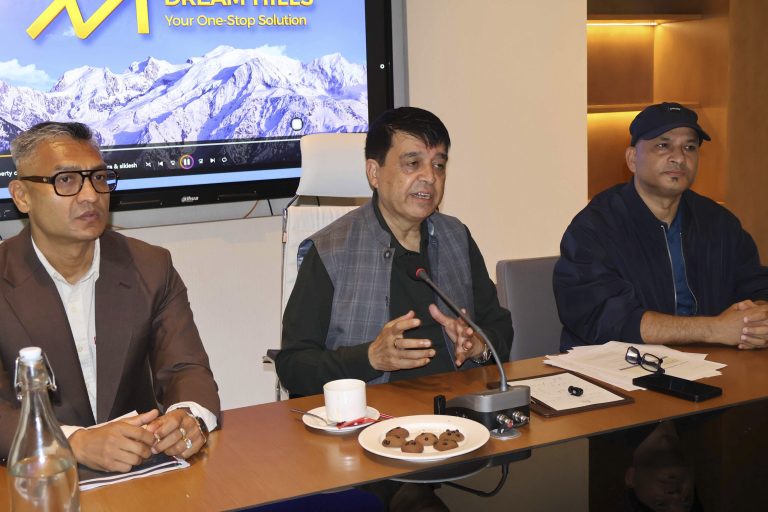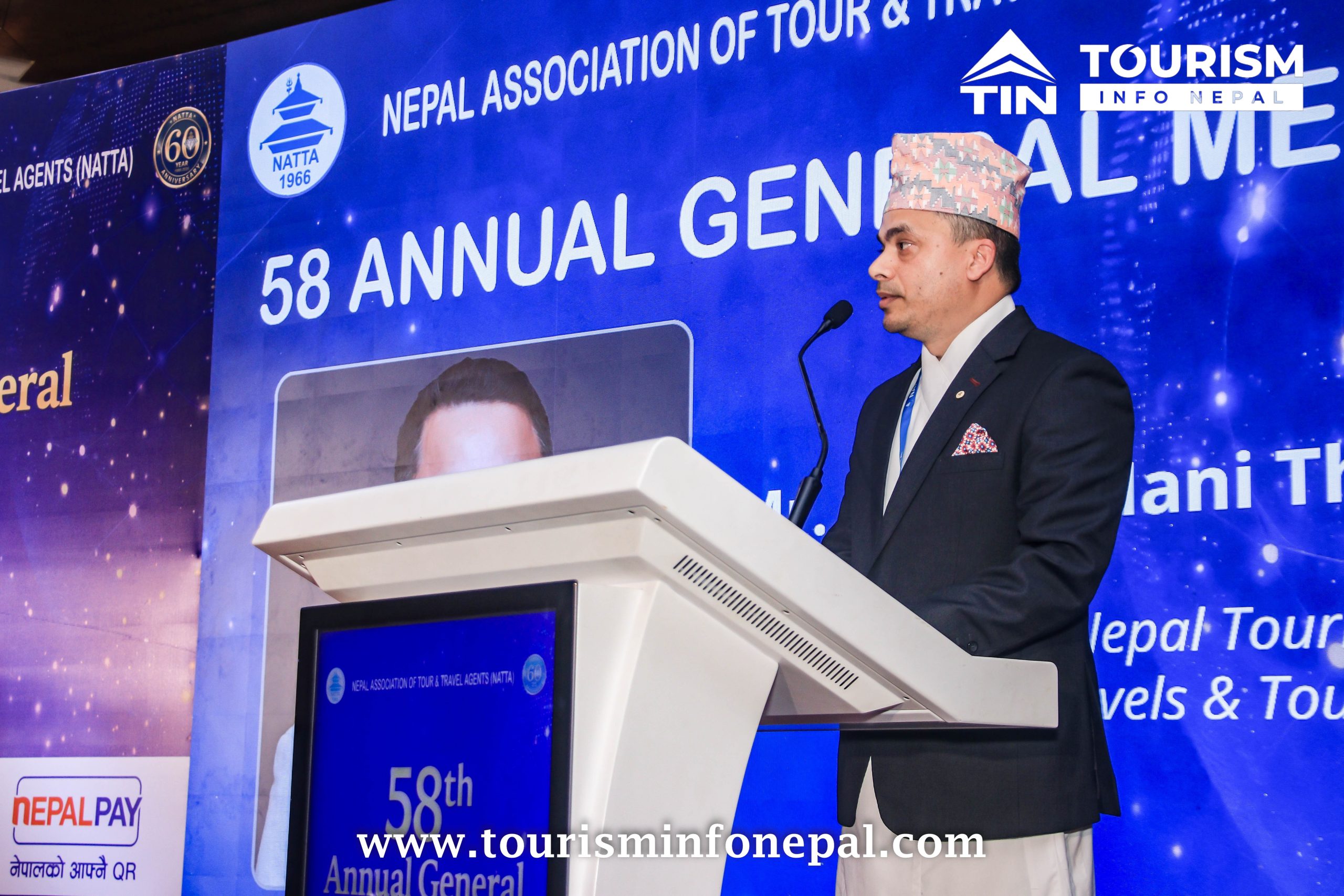
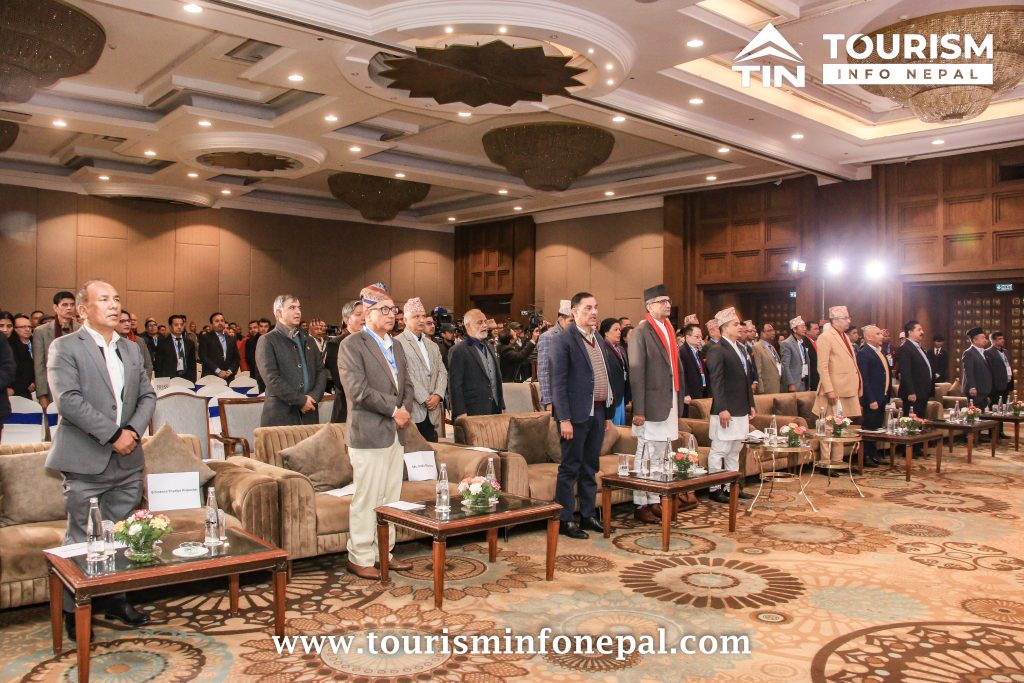
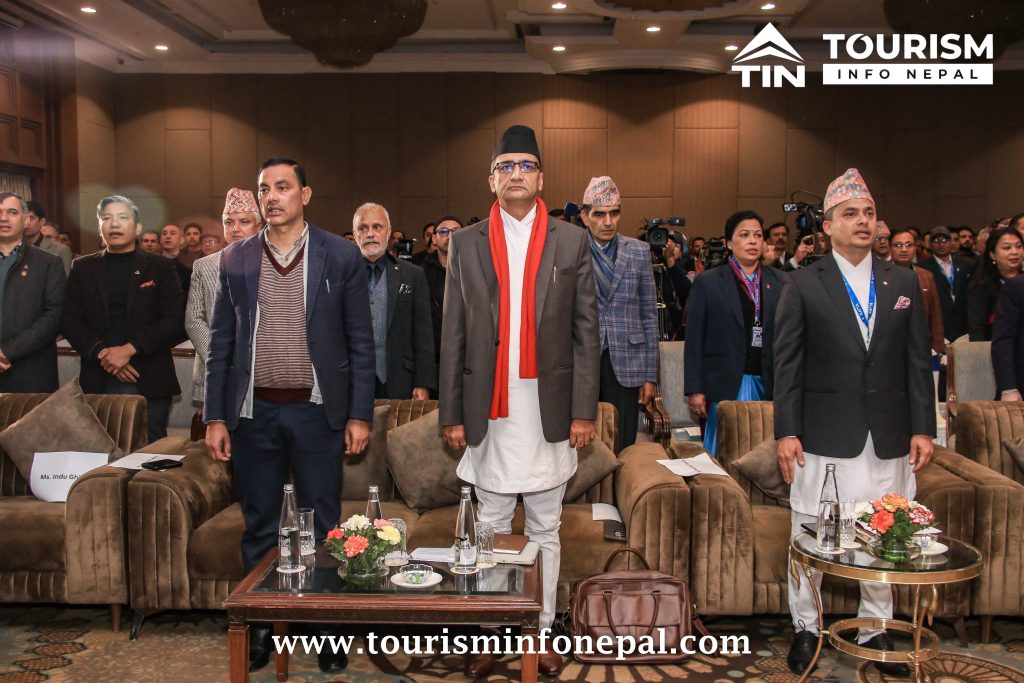
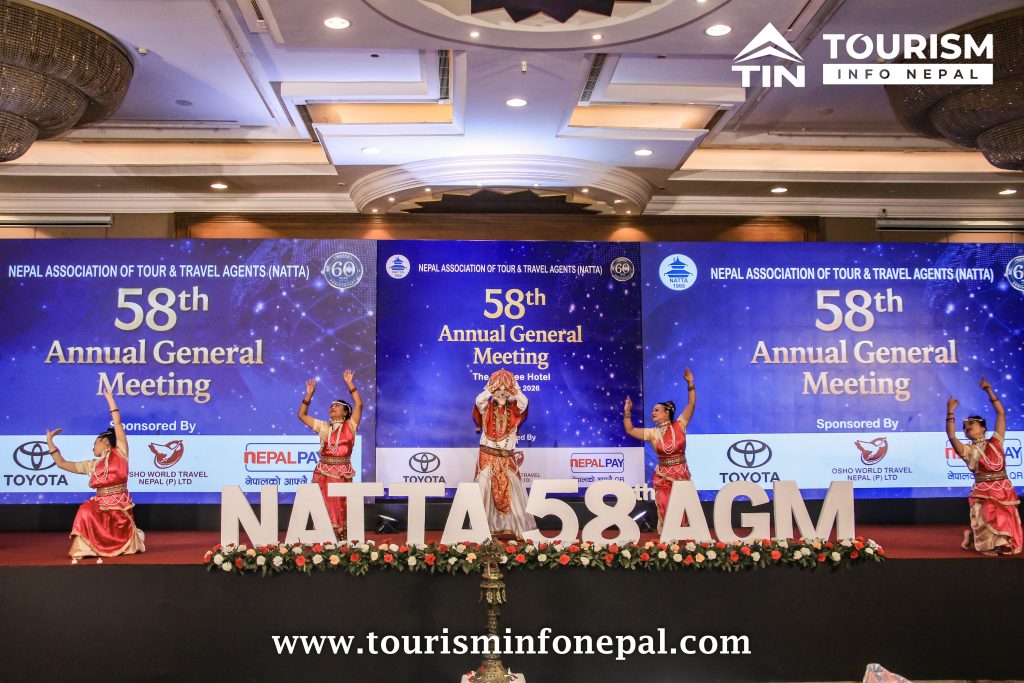
The Nepal Association of Tour and Travel Agents (NATTA) successfully conducted its 58th Annual General Meeting (AGM) at The Soaltee Kathmandu, marking a significant milestone in the history of Nepal’s tourism sector. The event was graced by the presence of the CEO of the Nepal Tourism Board and several prominent stakeholders from the tourism industry. NATTA President, Mr. Kumar Mani Thapaliya, addressed the gathering, sharing his insights on Nepal’s tourism progress and the strategic steps required to further promote the industry.

Reflecting on Nepal’s Tourism Journey
In his opening remarks, Mr. Thapaliya highlighted the historical significance of Nepal in the global tourism landscape. “Since the successful ascent of Mount Everest in 1953, Nepal has earned international recognition. By the 1960s, the tourism sector began to gather momentum, and with the establishment of hotels such as The Soaltee and Annapurna in 1965, the need for organized travel and tour services became evident,” he stated. The formation of NATTA in 1966 has since played a continuous and pivotal role in promoting Nepal’s tourism, expanding aviation networks, and safeguarding business interests in the sector.
Celebrating over 60 years of service, NATTA’s 58th AGM brought together industry leaders to review past accomplishments and chart future strategies. Mr. Thapaliya extended a warm welcome to all participants and conveyed heartfelt New Year greetings for 2026.
NATTA’s Leadership in Addressing Tourism Challenges
As one of Nepal’s leading tourism advocacy organizations, NATTA has consistently been at the forefront during critical periods for the industry. From addressing the impact of VAT on airline tickets to mitigating the effects of natural disasters and crises on small and medium businesses, NATTA has provided guidance and protection.
The organization has actively managed challenges such as the COVID-19 pandemic, the Gen-Z protests, and issues related to Kailash Mansarovar tours, ensuring that the tourism sector continues to thrive despite adversities.
NATTA’s proactive approach extends to cross-sectoral collaboration, partnering with other tourism bodies such as TAAN on TIMS-related matters, NMA on mountain tourism, and HAN on hotel occupancy issues. These coordinated efforts have contributed to solutions that benefit the wider tourism ecosystem in Nepal.
Expanding International Presence
Under the current leadership, NATTA has strengthened its international profile, participating in tourism promotion programs in countries including Myanmar, China, Spain, Bhutan, India, and Bangladesh. Notably, NATTA recently showcased the Annapurna region and Koshi Province’s Mundhum Trail at the International Mountain Tourism Alliance (IMTA) conference, receiving accolades and recognition for its efforts. Partnerships with global tourism organizations continue to be a priority, aimed at boosting tourist arrivals and promoting Nepal as a premier destination.
Addressing Connectivity and Affordability Challenges
Mr. Thapaliya emphasized the importance of accessibility in tourism. Drawing comparisons with countries like Vietnam, Cambodia, Sri Lanka, and select European destinations, he noted that Nepal, despite its unmatched natural, cultural, and historical diversity, struggles with being a “hard-to-reach” destination. Factors such as visa accessibility, flight availability, and cost have impacted Nepal’s competitiveness in the international market. He urged policymakers to focus on improving air connectivity, reducing ticket costs, and facilitating smoother travel processes to make Nepal a preferred and easily accessible tourist destination.
Emphasizing Sustainable Tourism
Highlighting the principles set by the United Nations World Tourism Organization (UNWTO), Mr. Thapaliya stressed that sustainable tourism development must balance three pillars: accessibility (air, road, and other connectivity), facilitation (hotels, services, and operational standards), and sustainability (community participation, cultural preservation, and environmental protection). He encouraged all stakeholders to adopt these principles to foster long-term growth and resilience in Nepal’s tourism industry.

Mr. Thapaliya underscored the importance of governance, discipline, and responsibility in tourism management. He expressed hope that Nepal’s tourism sector would witness stronger governance, enabling citizens to live fearlessly, investors to operate confidently, and entrepreneurs to grow sustainably. With a strategic focus on infrastructure development, youth-friendly policies, and visionary leadership, NATTA aims to guide Nepal’s tourism sector toward a prosperous future.