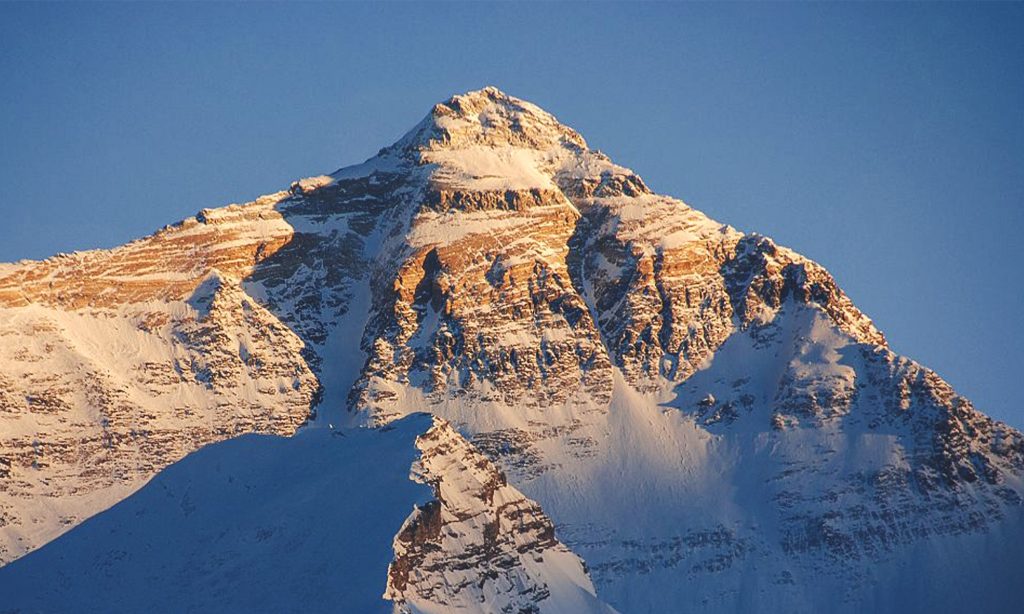
The Everest Base Camp Trek (EBC) is more than a hike; it is a spiritual pilgrimage and a monumental physical journey to the base of the world’s highest peak, Mount Everest (8,848.86m). This iconic trek through Nepal’s Khumbu region is a symphony of profound natural beauty, ancient Sherpa culture, and personal triumph.
It blends the thrill of high-altitude adventure with serene moments in monasteries, the warmth of teahouse hospitality, and landscapes so majestic they redefine your sense of scale. From the thunderous roar of glacial rivers to the silent, star-filled nights of the Himalayas, every step is a narrative. Standing at Everest Base Camp Trek (EBC), surrounded by the giants of the earth, you don’t just see Everest, you feel its immense, humbling presence. This is not merely a trek; it is a life-affirming journey that etches itself into your very being.
Trek Overview: The Journey of a Lifetime
Region: Khumbu (Everest), Nepal
Duration: 14 Days (Classic Itinerary)
Difficulty: Moderate to Strenuous
Highest Point: Kala Patthar (5,545m / 18,192 ft)
Best Seasons: Spring (March-May) & Autumn (September-November)
Daily Walking: 5-7 hours on average
Accommodation: Mountain Teahouses (Lodges)
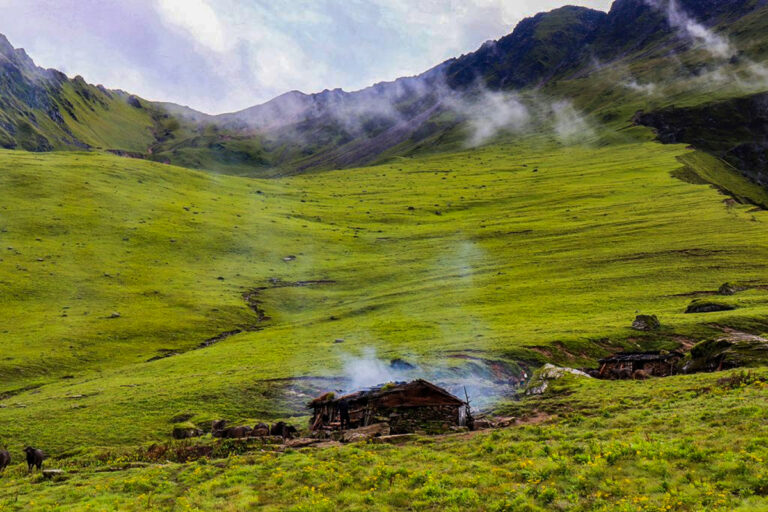
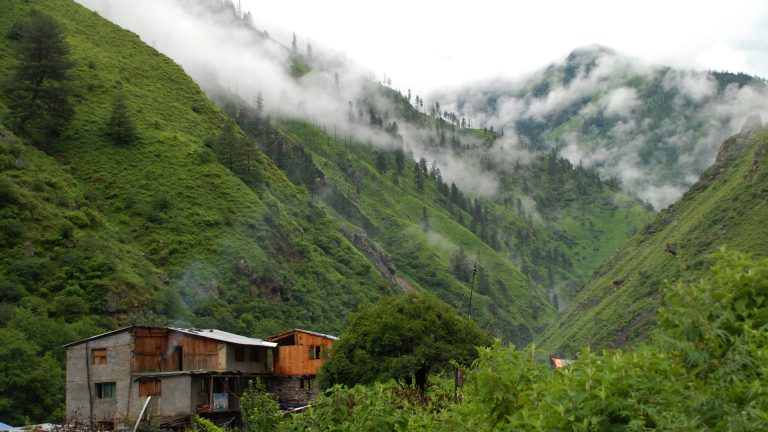
The classic 14-day Everest Base Camp trek is meticulously designed to balance challenge with safety, incorporating vital acclimatization days to ensure your body adapts to the thinning air. The journey begins with a dramatic flight into the Tenzing-Hillary Airport at Lukla, a gateway that sets the tone for the adventure. You’ll traverse a breathtaking landscape of deep river valleys, dense rhododendron and pine forests, and ancient Sherpa villages adorned with prayer flags and mani stones. As you ascend, the terrain transforms into a stark, powerful alpine world of glacial moraines and towering peaks, including Ama Dablam, Lhotse, Nuptse, and Pumori.
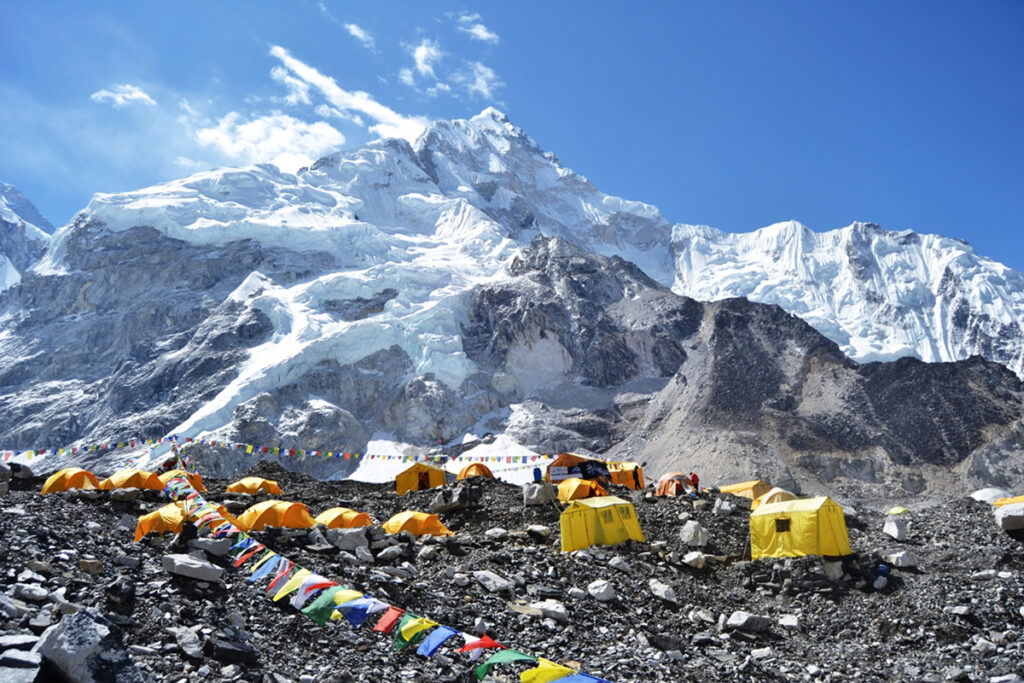
The cultural heartbeat of the Everest Base Camp Trek (EBC) is the indomitable Sherpa people. Their resilience, Buddhist faith, and welcoming nature enrich the journey immensely. Visits to monasteries like Tengboche offer spiritual respite, while bustling Namche Bazaar provides a fascinating glimpse into the high-altitude hub of the Khumbu. The twin pinnacles of the trek are reaching Everest Base Camp (5,364m) itself, a surreal camp of tents against the monstrous Khumbu Icefall, and the pre-dawn climb to Kala Patthar for a sunrise that bathes Everest Base Camp in golden light, an image that will stay with you forever. This trek demands respect, preparation, and a mindful pace, but the rewards are infinite.
Detailed 14-Day Everest Base Camp Trek Itinerary
Day 1: Arrival in Kathmandu (1,400m)
- Overview: Your adventure begins. Our representative will greet you at Tribhuvan International Airport and transfer you to your hotel. The day is free to rest, explore the vibrant Thamel area, and complete any last-minute gear shopping.
- Accommodation: 3-Star Hotel in Kathmandu.
- Precaution: Use today to ensure all your gear is in order. Attend the pre-trek briefing with your guide; this is crucial for understanding the itinerary, safety protocols, and team introduction.
Day 2: Fly to Lukla (2,860m) & Trek to Phakding (2,610m)
- Walking: 3-4 hours/ Descent: 250m
- Overview: An early morning scenic flight (35 mins from Kathmandu or 20 mins from Manthali in peak seasons) lands you at the thrilling Lukla airstrip. After meeting the porter, begin a gentle descent alongside the Dudh Koshi River, passing through small settlements like Chheplung and Ghat. The trail is adorned with Buddhist mani walls and prayer wheels.
- Highlight: First views of the Khumbu region, suspension bridges, and the serene riverside ambiance.
- Accommodation: Teahouse in Phakding.
- Precaution: The flight is weather-dependent. Always build buffer days into your international travel plans for potential delays. Walk slowly from day one to start the acclimatization process.
Day 3: Trek to Namche Bazaar (3,440m)
- Walking: 5-6 hours/ Ascent: 830m
- Overview: A key day. The trail winds through pine forests, crossing several high suspension bridges over the Dudh Koshi and Bhote Koshi rivers. After entering Sagarmatha National Park at Monjo, the climb to Namche begins, a sustained uphill section that is challenging but rewarding. Your first glimpse of Mt. Everest can be spotted along the way.
- Highlight: Entering the national park, the iconic final bridge before Namche, and the bustling energy of Namche Bazaar itself.
- Accommodation: Teahouse in Namche Bazaar.
- Precaution: This is a significant altitude gain. Pace yourself, drink plenty of water (3-4 liters), and don’t rush. This is your first night above 3,000m.
Day 4: Acclimatization Day in Namche Bazaar
- Walking (Hike): 3-4 hours
- Overview: A vital “climb high, sleep low” day. Hike up to the Everest View Hotel (3,880m) for breathtaking panoramic views of Everest, Lhotse, Nuptse, and Ama Dablam. Visit the Sherpa Culture Museum and the vibrant Saturday market if your schedule aligns.
- Highlight: Unobstructed mountain vistas and immersive cultural learning.
- Accommodation: Teahouse in Namche Bazaar.
- Precaution: Do not skip the acclimatization hike. Active rest is far more effective than passive rest. It prepares your body for higher altitudes.
Day 5: Trek to Tengboche (3,860m)
- Walking: 5-6 hours/ Ascent: 420m
- Overview: A visually stunning day. The trail offers magnificent views as you contour around the valley. Descend to the river at Phunki Tenga, then make a steady climb through rhododendron forests to Tengboche. Visit the famous Tengboche Monastery, the spiritual center of the Khumbu.
- Highlight: Panoramic mountain views and the serene atmosphere of Tengboche Monastery.
- Accommodation: Teahouse in Tengboche.
- Precaution: Be respectful at the monastery, ask permission before taking photos, dress modestly, and walk clockwise around stupas and prayer wheels.
Day 6: Trek to Dingboche (4,410m)
- Walking: 5-6 hours/ Ascent: 550m
- Overview: Descend through a beautiful forest to Debuche, cross the Imja River, and pass the charming village of Pangboche. The landscape becomes more arid and mountainous. The trail climbs steadily to Dingboche, a picturesque village set in a wide, high-altitude valley.
- Highlight: Views of Ama Dablam, the Imja Valley, and the transition to a high alpine environment.
- Accommodation: Teahouse in Dingboche.
- Precaution: You are now above 4,000m. Monitor yourself closely for any signs of Acute Mountain Sickness (AMS). Eat well even if your appetite decreases.
Day 7: Acclimatization Day in Dingboche
- Walking (Hike): 3-4 hours
- Overview: Another critical acclimatization day. A popular hike is to the Nangkartshang Peak ridge (5,083m) for incredible views of Makalu, Lhotse, and the Chukhung Valley. Alternatively, take a shorter walk to the nearby hills.
- Highlight: Stunning 360-degree views of Himalayan giants.
- Accommodation: Teahouse in Dingboche.
- Precaution: Even if you feel strong, do not skip this day. Proper acclimatization here is key to success and safety at Base Camp.
Day 8: Trek to Lobuche (4,940m)
- Walking: 5-6 hours/ Ascent: 530m
- Overview: The trail climbs to a ridge with views of the Khumbu Glacier. You’ll pass the poignant memorials to climbers who have perished on Everest at Thukla Pass. The path then runs along the lateral moraine of the Khumbu Glacier to Lobuche, a small settlement with dramatic views.
- Highlight: The climbers’ memorials and first close-up views of the Khumbu Glacier.
- Accommodation: Teahouse in Lobuche.
- Precaution: The air is thin, and temperatures drop significantly. Stay hydrated, keep your head covered, and layer up. Sleep with a water bottle to prevent freezing.
Day 9: Trek to Gorak Shep (5,164m), Hike to Everest Base Camp (5,364m)
- Walking: 7-8 hours/ Ascent: 424m (net to EBC)
- Overview: A demanding but exhilarating day. Trek on rocky trails beside the Khumbu Glacier to Gorak Shep. After a quick lunch, embark on the long-anticipated hike to Everest Base Camp. Walk on the glacial moraine to reach the iconic destination, a surreal landscape of ice and rock beneath the towering Southwest Face of Everest.
- Highlight: Standing at Everest Base Camp, witnessing the Khumbu Icefall up close, and the overwhelming sense of achievement.
- Accommodation: Teahouse in Gorak Shep.
- Precaution: This is a long, tiring day at an extreme altitude. Move slowly and steadily. Celebrate briefly at Base Camp but conserve energy for the return to Gorak Shep. Oxygen levels are low; any headache or nausea should be reported to your guide immediately.
Day 10: Sunrise at Kala Patthar (5,545m) & Trek to Pheriche (4,240m)
- Walking: 7-8 hours/ Descent: 1,305m
- Overview: Pre-dawn start for the climb to Kala Patthar, the highest point of the trek. The steep hour-long ascent is rewarded with the finest panoramic view of Everest, Nuptse, Pumori, and the entire Khumbu Glacier bathed in sunrise light. Descend to Gorak Shep for breakfast, then begin a long but rewarding descent to a lower altitude in Pheriche.
- Highlight: Sunrise from Kala Patthar, the definitive view of Mount Everest.
- Accommodation: Teahouse in Pheriche.
- Precaution: This morning will be extremely cold. Wear all your layers, including gloves and a balaclava. The descent is hard on the knees; use trekking poles.
Day 11: Trek to Namche Bazaar (3,440m)
- Walking: 7-8 hours/ Descent: 800m
- Overview: A long descent through familiar terrain, retracing steps to Tengboche and then down to the river before the final climb back into Namche Bazaar. The richer air and warmer temperatures are a welcome relief.
- Highlight: Enjoying the landscapes with the confidence of having achieved your goal.
- Accommodation: Teahouse in Namche Bazaar.
- Precaution: Even though you are descending, maintain focus on the trail to avoid slips or falls. Celebrate your success, but remember you still have a trek out.
Day 12: Trek to Lukla (2,860m)
- Walking: 7-8 hours/ Descent: 580m
- Overview: The final day of trekking follows the Dudh Koshi River back to Lukla. It’s a day for reflection, final photos with your crew, and a celebratory dinner together.
- Highlight: The sense of completion and the festive atmosphere in Lukla.
- Accommodation: Teahouse in Lukla.
- Precaution: Don’t let your guard down on the last day. Stay careful on the trails. Ensure you have cash for tips for your guide and porter.
Day 13: Fly to Kathmandu
- Overview: An early morning flight returns you to Kathmandu. The rest of the day is free for hot showers, souvenir shopping, and a final group farewell dinner.
- Accommodation: 3-Star Hotel in Kathmandu.
- Precaution: Flights are again subject to weather. Have your insurance details and passport accessible.
Day 14: Final Departure
- Overview: Our team will transfer you to the international airport for your flight home, marking the end of your unforgettable Himalayan adventure.
Critical Precautions & Safety Measures
- Altitude Sickness (AMS): This is the paramount risk.
- Prevention: The itinerary includes acclimatization days; respect them. Adhere to the golden rules: ascend slowly, stay hydrated (3-4L daily), eat carbohydrate-rich foods, and avoid alcohol and sedatives.
- Symptoms: Headache, dizziness, nausea, loss of appetite, severe fatigue. Do not ignore a persistent headache.
- Action: Communicate immediately with your guide if you feel unwell. The only cure for worsening AMS is immediate descent. Carry Diamox (Acetazolamide) only after consultation with your doctor, as a prophylactic, not a cure.
- Travel Insurance: Non-negotiable. Your policy must cover emergency helicopter evacuation from high altitude (up to 6,000m) and medical repatriation. Standard policies often exclude this.
- Physical Fitness: Start training 3-4 months in advance. Focus on cardiovascular endurance (running, cycling, stair climbing) and leg strength (lunges, squats). Practice hiking with a loaded daypack.
- Gear & Packing: Quality gear is a safety requirement. Essentials include: sturdy broken-in boots, a -10°C sleeping bag, a down jacket, thermal layers, a waterproof shell, gloves, a warm hat, UV sunglasses, a headlamp, trekking poles, and a high-SPF sunscreen. Pack light but smart.
- Hygiene & Water: Prevent gastrointestinal issues. Use purification tablets/filters for water. Avoid untreated water, including in salads. Carry hand sanitizer.
- Weather & Flights: The Lukla flight is legendary for weather delays. Always build in 2-3 extra buffer days in Kathmandu at the end of your trek before your international flight. This prevents immense stress and financial loss.
- Responsible Trekking: Respect local culture. Ask before photographing people. Dress modestly. Support the local economy by buying tea and snacks at teahouses. Choose an operator that ensures fair wages and proper gear for porters.
- Guide & Team: Trekking with a licensed guide from a reputable agency is highly recommended. They provide safety, navigation, cultural insight, and crucial support in case of emergencies. A porter helps boost the local economy and enhances your experience by allowing you to focus on the trek.
By embracing these precautions and approaching the trek with respect and preparation, you transform the challenge into the most rewarding adventure of your life. The path to Everest Base Camp is a journey that tests the body, enriches the mind, and lifts the spirit.