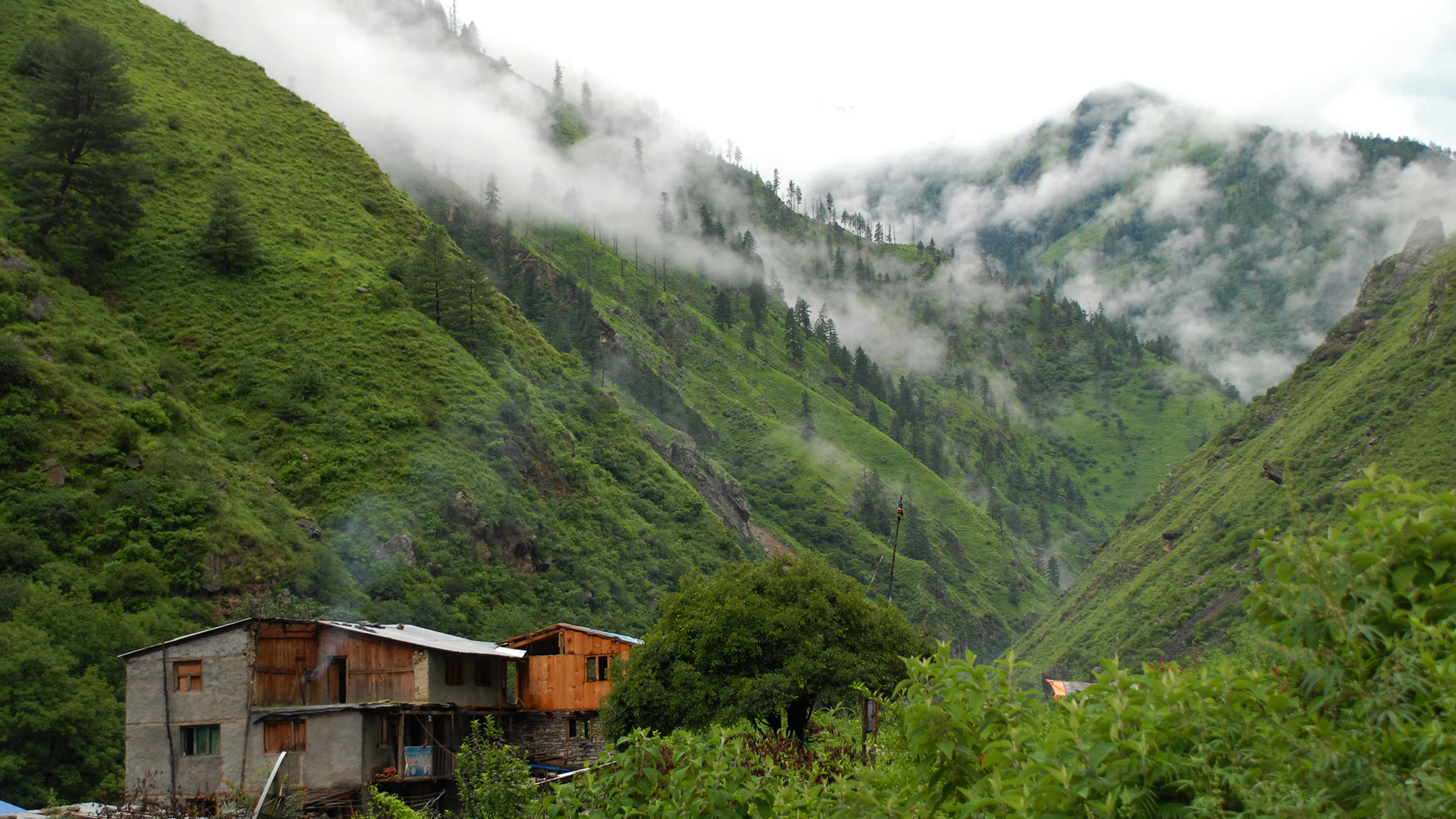
Nepal has added another protected area to its conservation network with the declaration of Chhayanath National Park, the country’s 13th and newest national park. Established in August/September 2025, the park is located in Mugum Karmarong Rural Municipality of Mugu district, Karnali Province. The new park marks a significant step in Nepal’s ongoing efforts to preserve fragile alpine ecosystems and endangered wildlife species.
Cabinet Approval and Legal Establishment
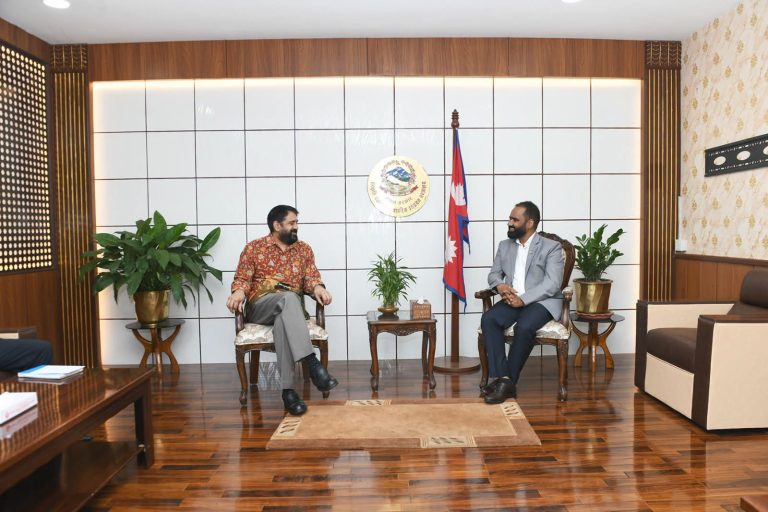
The establishment of Chhayanath National Park was formally approved by the Cabinet on August 29, 2025, following a proposal submitted by the Ministry of Forests and Environment. The decision reflects the government’s commitment to expanding protected areas and strengthening biodiversity conservation in high-altitude regions of the country.

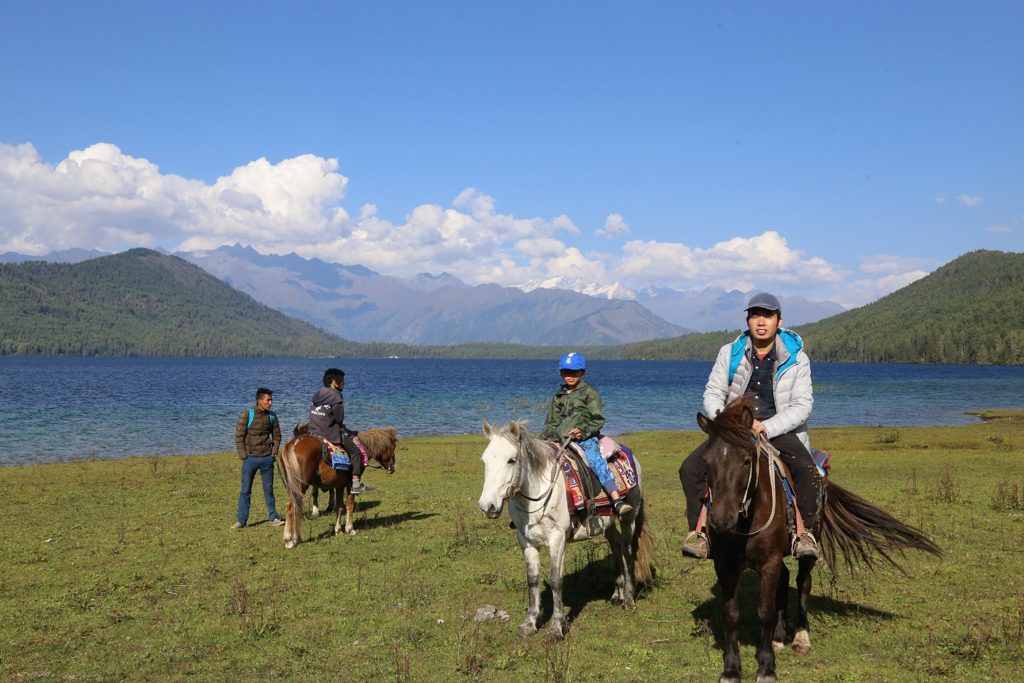
With this declaration, Mugu district now hosts two national parks, the other being Rara National Park, which was established more than five decades ago and remains one of Nepal’s most iconic protected areas.
Area Coverage and Buffer Zone
Chhayanath National Park spans a core area of approximately 843 square kilometres, along with an additional 177 square kilometres designated as a buffer zone, bringing the total protected area to 1,020 square kilometres. The buffer zone has been incorporated to ensure sustainable use of natural resources by local communities while reducing pressure on the park’s core conservation areas.
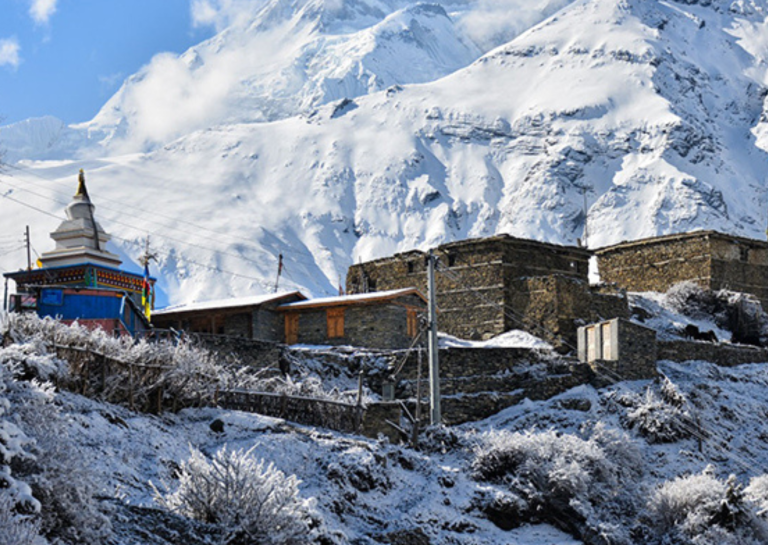
The park encompasses diverse landscapes, including alpine forests, high-altitude pastures, glacial rivers, and rugged mountain terrain, making it one of the most ecologically significant protected areas in Karnali Province.
Focus on Alpine Ecosystems and Wildlife Conservation
The primary objective of establishing Chhayanath National Park is the conservation of alpine ecosystems, rivers, and rare wildlife species. The park has been identified as an important habitat for the snow leopard, one of Nepal’s most threatened and elusive species.
In addition to snow leopards, the area is believed to support a range of high-altitude flora and fauna adapted to extreme climatic conditions. Conservationists say the park will play a vital role in safeguarding biodiversity that is increasingly vulnerable to climate change and human activity.
Land Separated from Shey-Phoksundo National Park
The park was created by separating specific areas from the Shey-Phoksundo National Park region in Dolpa. Areas such as Chitai, Dolpu, Karti, Kimri, Wadari, Takha, and Khari were incorporated into the newly formed national park, allowing for more focused conservation management tailored to the ecological characteristics of the region.
Officials believe that this restructuring will improve conservation effectiveness and enhance local participation in park management.
Contribution to National Conservation Goals
The declaration of Chhayanath National Park aligns with Nepal’s international commitment to maintain 30 percent of its total land area under protection by 2030. With the addition of this park, Nepal continues to strengthen its reputation as a global leader in biodiversity conservation and protected area management.
Environmental experts note that expanding protected areas in remote regions like Mugu not only helps preserve ecosystems but also opens opportunities for sustainable ecotourism and livelihood improvement for local communities.

Opportunities and Challenges Ahead
While the establishment of Chhayanath National Park has been widely welcomed, experts stress the importance of adequate funding, effective management, and community engagement to ensure its long-term success. Infrastructure development, human-wildlife conflict management, and climate resilience will be key challenges in the years ahead.
Nevertheless, conservationists remain optimistic that with proper planning and collaboration, Chhayanath National Park will emerge as a vital sanctuary for alpine biodiversity and a symbol of Nepal’s dedication to environmental protection.