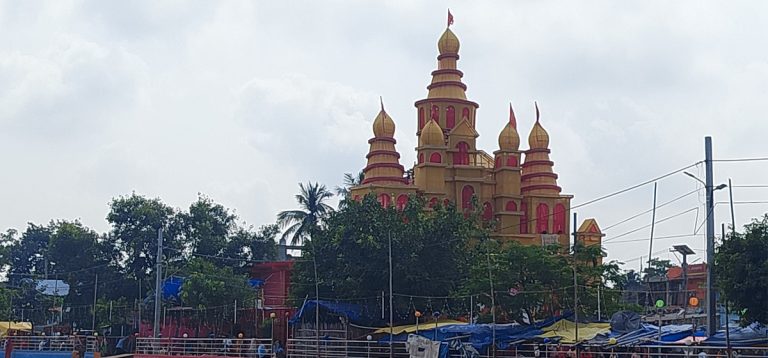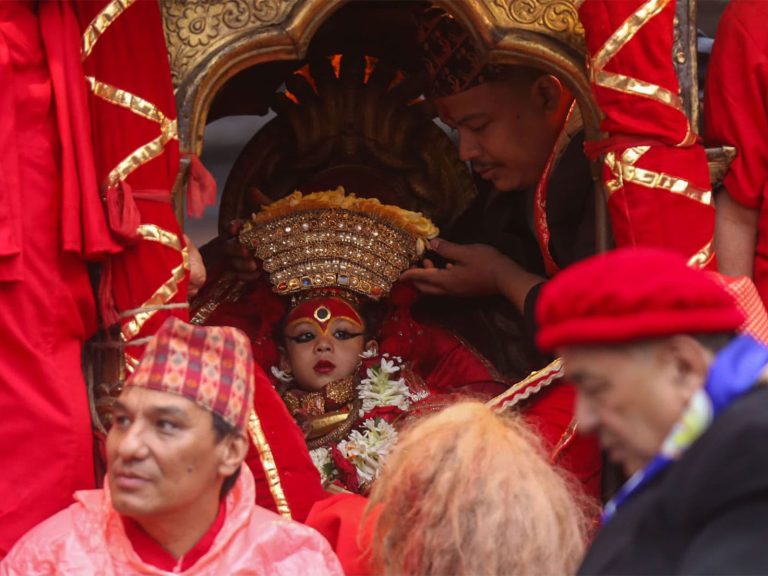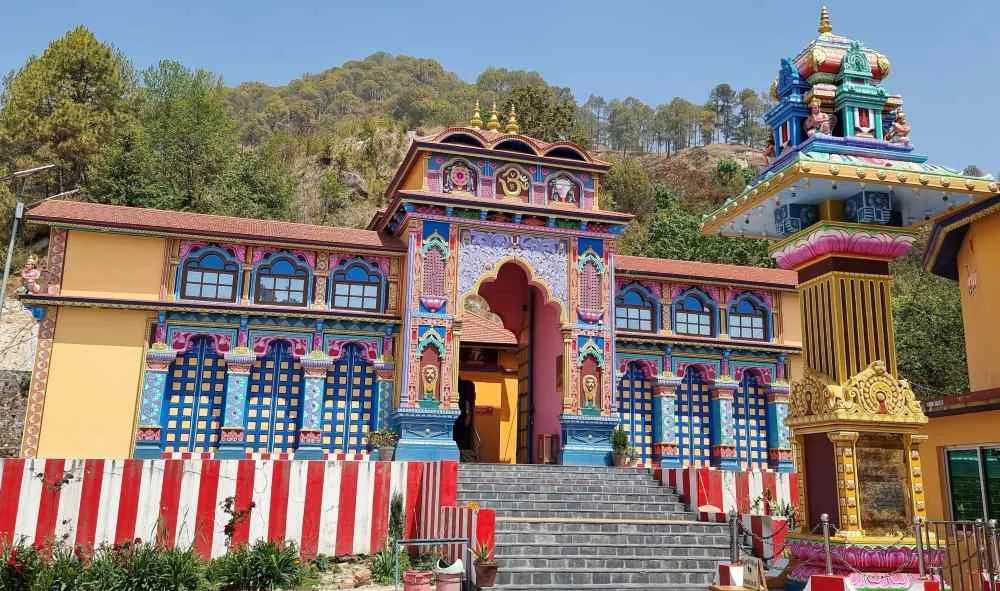
Nestled in the tranquil hills of Tarakeshwar Municipality, Shanti Dham has emerged as one of Kathmandu Valley’s most revered spiritual and recreational destinations. Often referred to as the “Badrinath of Nepal”, the Hindu temple is gaining popularity among devotees, hikers, photographers, and nature lovers seeking peace away from the city’s bustle.
Located in Kavresthali, north of Kathmandu, Shanti Dham combines religious significance with scenic beauty, making it an ideal destination for short spiritual retreats and day trips.
Architectural Grandeur and Religious Significance
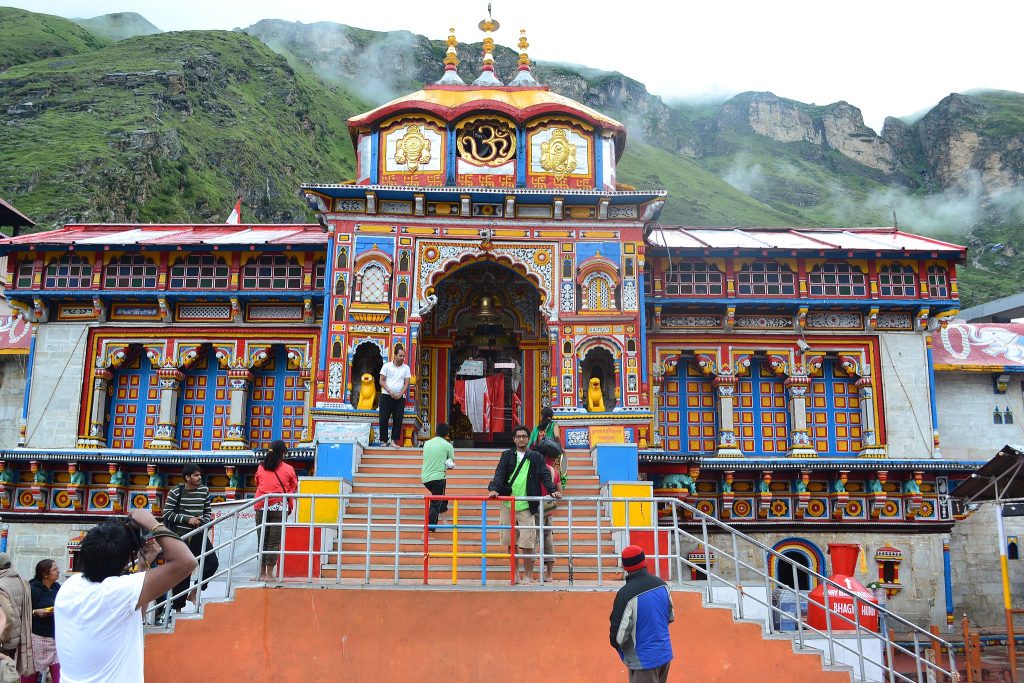
Shanti Dham is dedicated to Lord Vishnu and is widely recognized for its architectural resemblance to India’s sacred Badrinath Temple. The temple’s design harmoniously blends traditional Hindu architectural styles with modern craftsmanship. Colorful murals, intricate sculptures, and symbolic carvings narrate stories from Hindu mythology, creating an immersive spiritual atmosphere for visitors.
The temple complex exudes calmness and devotion, attracting worshippers seeking blessings, inner peace, and spiritual rejuvenation. Entry to the temple is permitted until 11:00 am and again after 3:00 pm, ensuring an orderly and serene worship environment.
Sismahal and Visitor Access
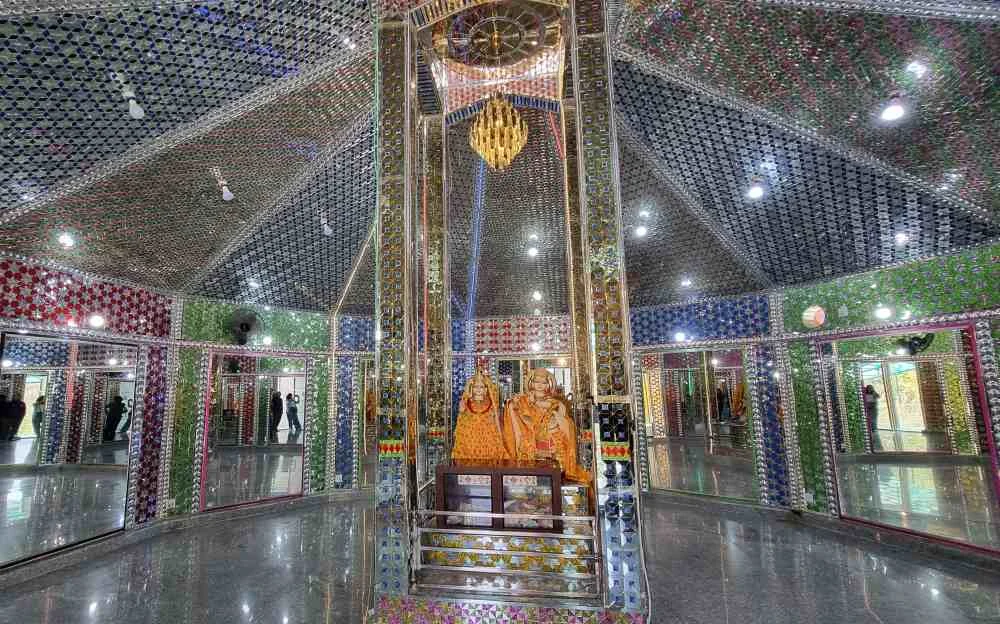
An important attraction within the Shanti Dham area is Sismahal, for which an entry fee of NPR 50 per person is charged. Photography and videography are permitted in the surrounding areas and Sismahal; however, photography inside the main temple is strictly prohibited to preserve its sanctity.
The site’s well-maintained surroundings and peaceful ambiance allow visitors to spend time exploring, praying, and enjoying the natural beauty of the region.
A Destination for Hiking and Outdoor Activities
Beyond its spiritual appeal, Shanti Dham has become a popular destination for short hikes. With relatively decent road conditions and gentle walking trails, the area is suitable for solo travelers, families, and groups of friends. The hike offers refreshing views, fresh air, and a gradual escape from Kathmandu’s urban landscape.
The temple area is also considered one of the nearest picnic spots to Kathmandu. Visitors often gather on nearby open grounds to enjoy picnics while soaking in panoramic views of the valley below.
Scenic Views, Meditation, and Photography
Shanti Dham provides one of the most stunning vantage points of the Kathmandu Valley. From the hilltop, visitors can enjoy sweeping views, especially during clear mornings and evenings. The peaceful environment, far from traffic noise and urban congestion, makes it an ideal location for meditation and mindfulness practices.
Photography enthusiasts are drawn to the temple’s vibrant architecture, scenic hills, Sismahal structure, and natural landscapes, making it a favored spot for both photography and videography.
Accessibility and Transportation
Reaching Shanti Dham is relatively easy. Visitors traveling by public transport can take a bus from Machhapokhari to Kavresthali, followed by a 15–20 minute walk to the temple complex.
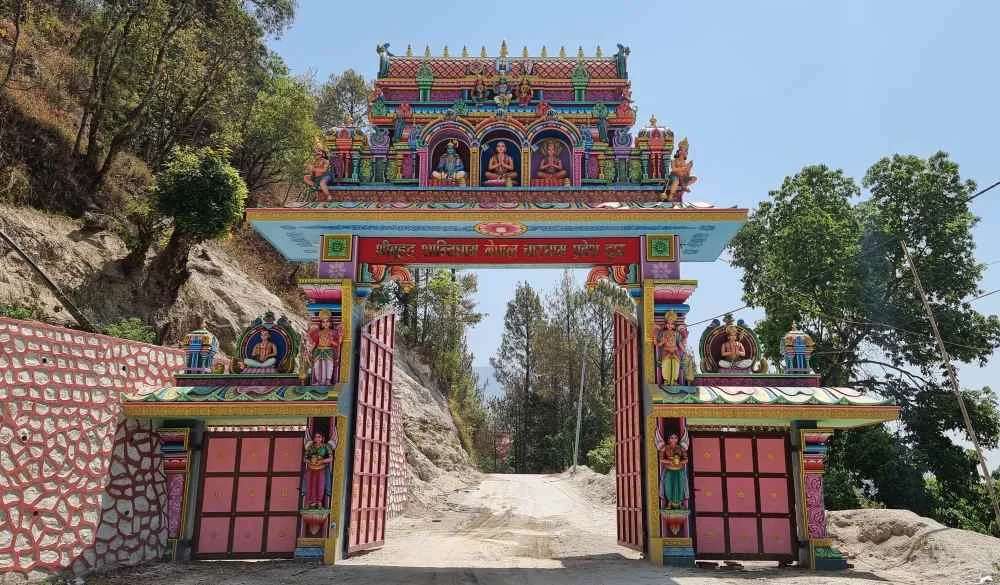
Those using private vehicles can start from the New Bus Park, passing through Balaju Bypass, Nepaltar, Seshmati, Jarankhu Pool, and Kavresthali. An arch gate with a “Shanti Dham” signboard marks the route to the temple. The road leading to Shanti Dham is generally in decent condition, allowing smooth access for most vehicles.
Best Time to Visit and Travel Tips
Shanti Dham can be visited throughout the year, except during the monsoon season (June to August) when muddy roads may cause inconvenience. Visitors are advised to carry essentials such as umbrellas, hats, or caps to stay comfortable, especially during sunny days. Maintaining temple decorum, respecting photography restrictions, and keeping the environment clean are strongly encouraged.
Shanti Dham stands as a serene spiritual sanctuary overlooking Kathmandu Valley, offering a rare blend of devotion, nature, and recreation. With its Badrinath-inspired architecture, peaceful atmosphere, hiking trails, picnic spaces, and panoramic views, it continues to attract visitors seeking spiritual solace and natural beauty close to the capital.